7 Bad Habits That Are Ruining Your Teeth Without You Knowing
July 7, 2026
It can be hard sometimes to be aware of habits that damage your teeth. Most people know to watch sugar intake and to make sure they are practicing good hygiene. A lot also know to make regular appointments to see the dentist. Some habits that threaten your teeth and your smile do not even involve cavities.
Damage done to your teeth over time can actually be the result of bad habits. Nail biting and chewing ice can damage your teeth. These are two habits that a lot of people do, but are oblivious to the damage they are causing. Biting packaging also damages teeth.
Teeth can, and do, break. Although it is true that they are strong and can stand a lot of pressure, they too are not invincible. Chewing ice, for example, over time can actually cause your tooth's outer shell enamel to erode and fractures to develop. It will also cause stress and strain to your jaw and gums.
The focus at Dental Aesthetics Lahore is treating more patients who are damaging their teeth more through their own bad habits instead of a bad disease. If you can make an effort to recognize bad habits and break them, then you can keep your teeth for a long time.
Why These Habits Are So Easy to Miss
Parafunctional habits are different from brushing or eating. These habits become involuntary; you might sit in a meeting and realize you've been chewing a pen, biting your nails while watching a movie, or grinding your teeth at night.
The causes of these habits include stress, anxiety, and even frustration. They culminate over time, becoming involuntary and habitual. The other difficult part is that over time, the damage is cumulative, and the result is not from a single episode. Tooth wear is not the result of grinding and chewing one single episode of grinding or chewing. Tooth wear is a cumulative, small, subtle change.
Many of us don't think about how our daily activities impact our dental health, but everyday habits can potentially cause dental damage. Breaking bad oral habits, such as the ones listed below, that can easily damage teeth, is what we want to help our patients with the most.
Habit | Common Trigger | Potential Dental Damage |
Nail Biting | Stress, Anxiety | Chipped Enamel, Jaw Strain |
Ice Chewing | Cravings, Habit | Enamel Micro Fractures |
Pen Chewing | Concentration | Tooth Chips and Wear |
Using Teeth as Tools | Convenience | Tooth Cracks and Fractures |
Bruxism | Stress, Sleep Disorders | Severe Tooth Wear |
Aggressive Brushing | Poor Technique | Gum Recession |
Hard Candy and Kernels | Snacking | Broken Teeth |
These habits could lead to symptoms like the following:
Increased tooth sensitivity, especially in the biting surfaces
Small chips
Jaw discomfort
Morning headaches
Gum recession
Cracked fillings
Clicking jaw joints
If you are in any of these situations, you would benefit from seeing a doctor at Dental Aesthetics Lahore to see if these habits are causing your problems.
Nail Biting
Nail biting is one of the top bad habits that people engage in, and also is the most known as onychophagia. Nail biting is generally viewed as a cosmetic issue but considers the stress it puts on teeth and jaws. It is especially dangerous for your front teeth. They absorb the stress of nail biting without it being designed to.
How Nail Biting Teeth Damage Happens
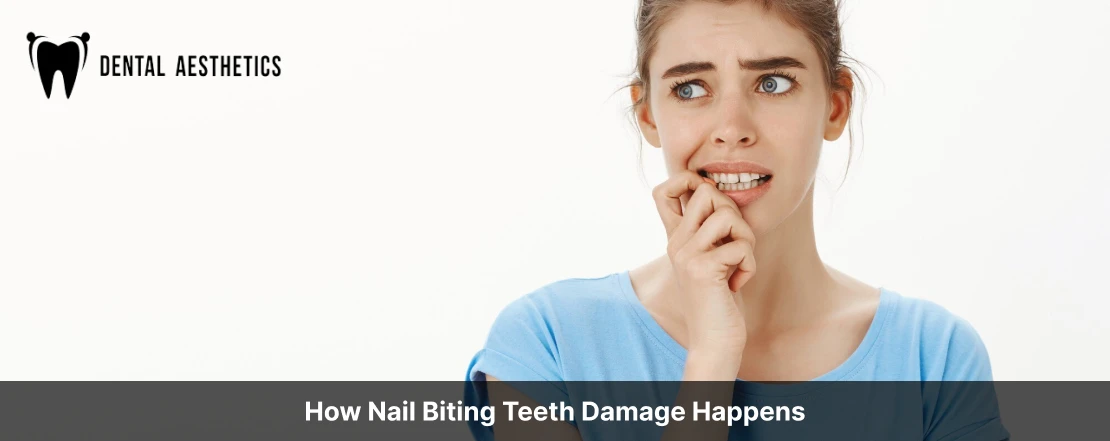
“Does biting nails damage teeth?” is a very popular question. Biting nails damages teeth for the following reasons:
Chipped tooth enamel
Tooth fractures
Irritated gums
Strained jaws
Worn teeth
Sensitive teeth
Biting nails can worsen the meeting of your upper and lower jaws. Nail biting also damages your dental hygiene. That is because your nails are full of dirt and bacteria which you then introduce to your mouth.
The Link Between Nail Biting and Stress
Nail biting is commonly the result of:
Anxiety
Nervousness
Frustration
Boredom
Loss of concentration
Nail biting is also often accompanied by teeth clenching, grinding, or bruxism. All of these habits causes a lot of stress on your teeth and jaws.
How to Stop Biting Nails
Below is a list of recommended nail biting remedies:
Regularly trimming nails
Applying bitter nail polish
Managing stress
Replacing the habit with gum
Being mindful of what causes the habit
2. Chewing Ice
Teeth can often be restored to their previous state through bonding as a result of nail biting. You also shouldn’t chew ice. Ice is just frozen water, but also very damaging to your teeth. Ice is extremely tough. Chewing on ice causes severe microtrauma to your enamel. Since enamel is highly mineralized and not regenerative, it can lead to the gradual loss of the tooth.
Is Chewing Ice Bad for Your Teeth?
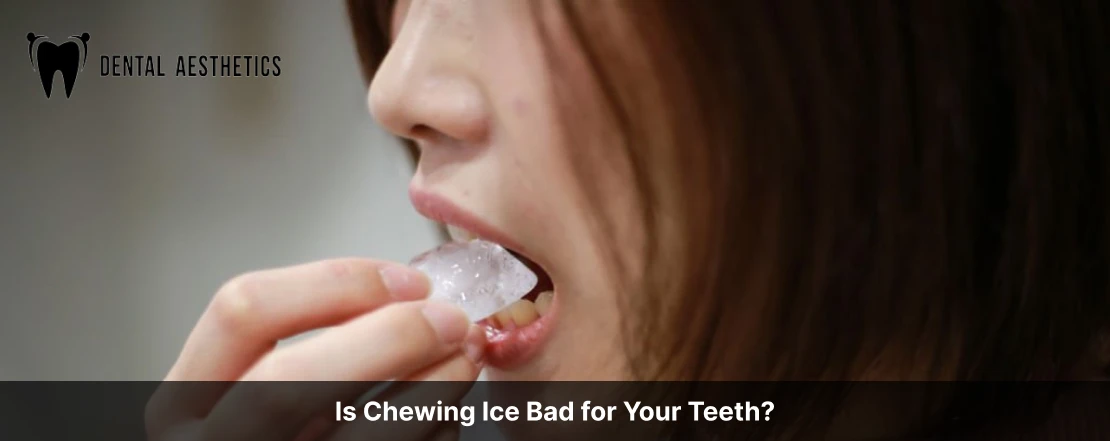
Yes! Patients have asked us:
Is chewing ice bad for teeth?
Is chewing ice damaging your teeth?
Can chewing ice crack your teeth?
All of those things are true.
Common Problems Associated with Ice Chewing
Dental Problem | Details |
Fractured enamel | Impact from chewing ice |
Fractured teeth | Pressure from ice |
Damaged fillings | Old fillings become weak |
Sensitive teeth | Exposed dentin from damaged enamel |
Irritated gums | Cuts from ice on gums |
Chewing ice is damaging for your teeth, especially for those with fillings, crowns, veneers, or poor enamel.
If you have a strong desire to chew ice constantly, a condition called pagophagia, you should see a doctor for possible nutritional deficiency.
3. Chewing Pens and Pencils
Chewing on your class material is also a popular habit. Most students and staff bite on their material to help them concentrate. Just like ice, the hard plastic aids in the dental problems seen from nail biting.
Why Chewing Class Materials is Bad for Teeth
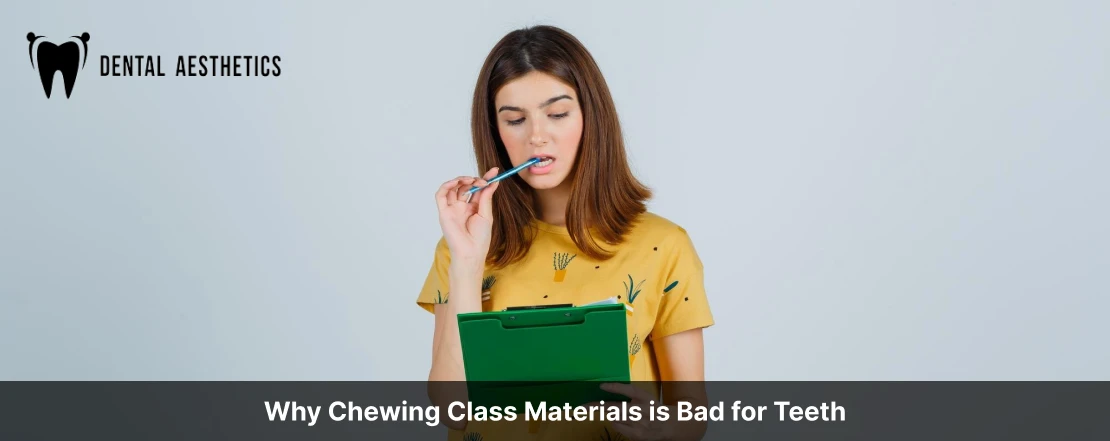
The habit can lead to:
Loss of enamel
Fractures
Sensitive teeth
Strained jaw
Poor occlusion
A lot of people are unaware they are chewing on their class materials until it is pointed out.
Hygiene Concerns
During the course of a day, pens and pencils make contact with hands and various public surfaces. They are also in contact with desks or bags. Should a pen or pencil be placed in the mouth, these surfaces and hands will have made contact with your oral environment.
For those who already have excessive jaw or teeth grinding, the habit of chewing on a pencil or pen will add further strain to the teeth.
4. Using Your Teeth as Tools
While teeth may be strong enough to enact some of the above behaviors, the real design of teeth is for the function of chewing. Using teeth to carry out these behaviors is bound to result in injury to the teeth.
Common Ways of Using your Teeth as Tools
Using your teeth to:
Open Bottles
Tear Packaging
Cut String
Hold Screws or Nails
Open Plastic Packaging
Why Using Your Teeth For These Actions Is a Problem
Activity | Potential Consequence |
Cracking a bottle | Cracked teeth |
Tearing Packages | Chipped enamel |
Holding tools | Jaw strain |
Cutting Tape | Tooth fractures |
Opening Wrappers | Damaged fillings |
Using your teeth to crack a bottle is one of the most common reasons for needing emergency dental care. If one tooth chips, it is very likely to lead to larger fractures if the damage is not repaired. If a tooth does break suddenly, patients can follow our guidelines for a broken tooth.
5. Grinding and Clenching Teeth (Bruxism)
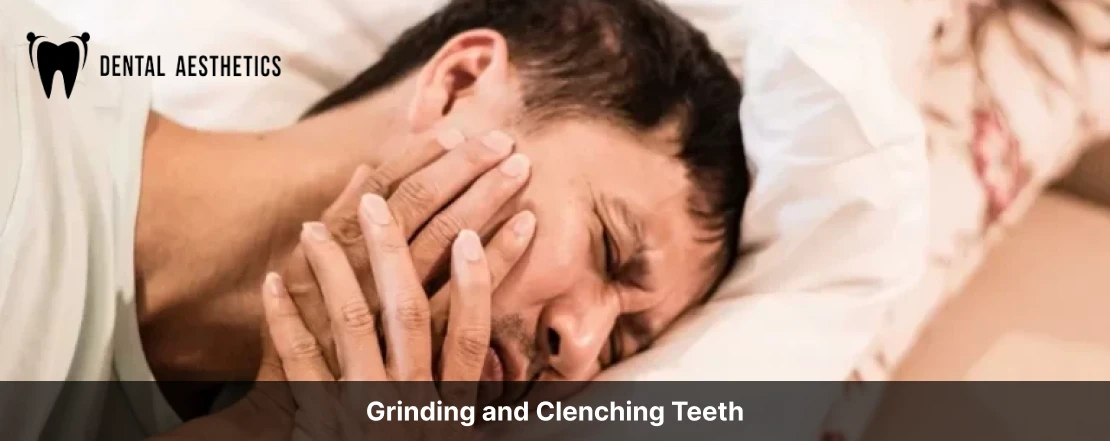
Bruxism is one of the most destructive habits that people may not know they have. Grinding or clenching your teeth can be done when they are awake or asleep. Awake bruxism often includes tightening or grinding of the teeth during stressful situations or times of high concentration. Both bruxism types result in major dental damage.
Common Causes of Bruxism
Bruxism can have a number of causes, including:
Stress
Anxiety
Sleep disturbances
Bite irregularities
Some medications
Lifestyle factors
Signs of Teeth Grinding
The following are signs and explanations of teeth grinding:
Signs | Explanations |
Headaches | Fatigue of muscles overnight |
Jaw Pain | Excessive clenching of jaw |
Worn Teeth | Loss of enamel |
Sensitivity | Loss of dentin |
Jaw Clicking | TMJ/TMD involvement |
Jaw Soreness | Overworked muscles of the jaw |
Teeth Clenching at Night
Most people learn that they clench their teeth at night only after a partner hears grinding or a dentist discovers evidence of bruxism.
The result of bruxism may lead to:
Severe enamel wear
Cracked teeth
Gum recession
TMJ/TMD symptoms
Chronic headaches
Facial pain
Treatment Options
Treatment may consist of:
Custom nightguards
Methods of stress reduction
Bite correction
Coronoplasty
Botox, in extreme cases
The most effective and common treatment is a nightguard to prevent further tooth damage.
6. Brushing Too Hard
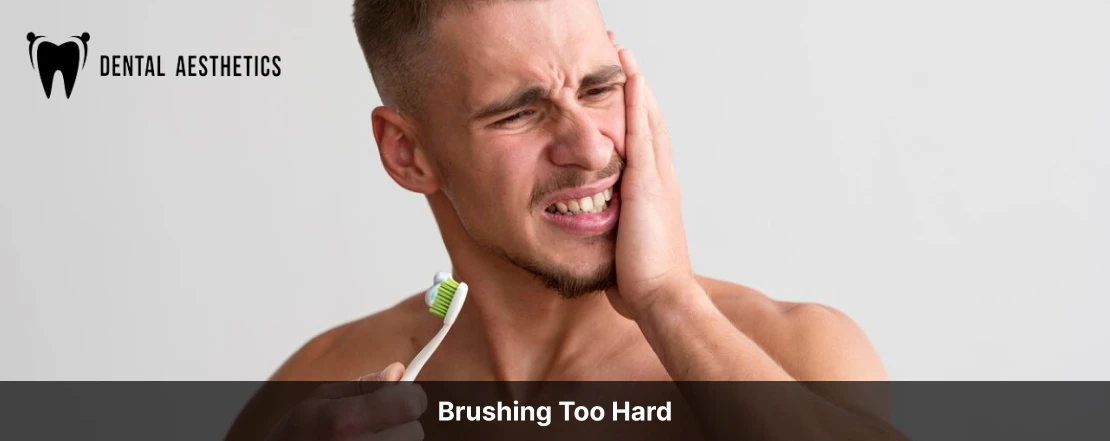
It is common to think that hard brushing equals better cleaning. Aggressive brushing can be the most damaging and is one of the most common habits that damage teeth.
Brushing hard is not necessary to scrub plaque off teeth. Excessive pressure can lead to the gradual deterioration of enamel and can damage gums.
Signs of Too Much Brushing
Sensitive teeth
Gum recession
Gum line notches
Torn gum brushing
Sore gums
Better Brushing Technique
Use:
Soft-gum brush
Brush gums in a circle
Use fluoride toothpaste
Apply pressure brushing
Less scrubbing, but more thorough cleaning
Treatment for receded gums may be more complicated than just less brushing.
7. Hard Candies and Kernels
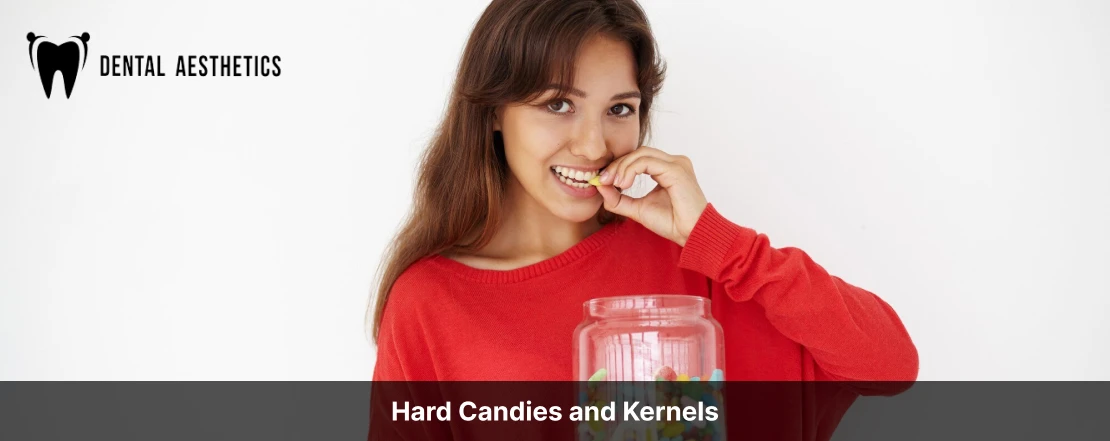
Every year, mashing down on hard candy and kernels causes more broken teeth. Even candy that is just hard to some may cause enough pressure when bit on. Hidden popcorn can break broken teeth, fillings, and crowns.
Why These Foods Cause Problems
Pressure hitting candy
Open fillings and crowns ruin
Hidden popcorn kernels are difficult to predict
Weak enamel from constantly biting on soft foods
Those who have broken or filled teeth need to be cautious. Small cracks in teeth may not cause immediate pain, but may extend beyond the gums and may need to be fixed.
What to Do If the Damage Is Already Done
The less than ideal news is most habit related dental issues can be done away with.
Common Treatment Options
Habit | Possible Damage | Potential Treatment |
Nail Biting | Chipped enamel | Composite bonding |
Ice Chewing | Cracks and fractures | Crowns |
Pen Chewing | Tooth wear | Bonding or veneers |
Bruxism | Enamel loss | Nightguard |
Hard Candy | Broken teeth | Restorative dentistry |
Aggressive Brushing | Gum recession | Gum treatment |
How Dental Aesthetics Helps Break Bad Teeth Habits
At Dental Aesthetics Lahore, we want to help patients break their habits and repair the damage they've already done. Depending on what you need, we offer:
Composite bonding
Veneers
Dental crowns
Nightguards
Gum therapy
TMJ treatment
We also offer a composite bonding vs veneers guide to help you make a decision on your cosmetic repair options.
For prevention, we have our healthy teeth daily routine. This offers a few habits you can do throughout the day to strengthen your teeth and gums.
Conclusion
Many harmful dental habits feel harmless in the short term, and that's what makes them so destructive. Biting nails, chewing ice, and brushing with too much force put unnecessary, prolonged stress on your teeth.
As with most physical problems, the earlier the habit, the easier the fix. Our team at Dental Aesthetics Lahore, under the precision of Dr. Shahzad Mirza, provides a variety of restorative treatments to combat damage caused by dental habits. We can also provide cosmetic services, TMJ management, and preventative care. We want to defend your beautiful smile for the future.
Frequently Asked Questions (FAQs) About Bad Habits
Does biting your nails really hurt your teeth?
Unfortunately, yes. Nail biting slowly wears down your enamel and causes your teeth to chip. It can also cause a lot of pressure on your jaw. Nail biting teeth damage can eventually lead to sensitive teeth, poor tooth alignment, and contributes to an uneven wear on your teeth. It also negatively affects your hygiene by introducing bacteria from your hands.
Is chewing ice bad for your teeth?
Yes, it is. Ice is very hard and leads to micro fractures in your tooth’s enamel. This will get worse and weaken your teeth over time. Chewing ice also harms dental work such as fillings and can lead to damaged teeth that will require a lot of repair work.
What is the most common cause of bruxism (grinding teeth)?
Stress and anxiety can lead to bruxism. Some patients exhibit bruxism more so when they sleep. An individual can also suffer from bruxism while fully awake, and this phenomenon often manifests itself during the day when the individual is under emotional distress or is concentrating on a challenging activity. A dentist may be able to provide an accurate diagnosis of your condition, especially if other members of your family have suffered from the grinding of teeth, as they may see effects of bruxism on your teeth or jaws before irreversible harm occurs.
What is the best remedy for teeth clenching in your sleep?
Since teeth clenching is often a symptom of a particular condition, the best remedy for sleep teeth clenching is to treat the underlying condition. In this case, sleep bruxism may. be alleviated by management of stress and improvement of the quality of sleep. Treatment of the underlying bite problem may also be a solution.
How do you stop biting nails?
Prevention starts with identifying the cause. The habit may be diminished by applying a bitter-tasting coating to the nails, managing stress, cutting nails short, and healthy substitutes such as sugar free gum. In extreme cases, professional treatment may be needed.
Is it ok to bite on a pen or chew a pencil?
Yes, it can be harmful to your teeth and may cause a pencil to crack or chip. Chewing on an object that carries a lot of bacteria and is frequently touched by many people is a dental concern. Even with the potential harm to your teeth, a pencil may hold a lot of bacteria and is a poor choice for an Oral Hygiene tool.
Is using your teeth to open something bad?
Yes. Your teeth are not meant to open bottles or tear packaging. Using your teeth in this way puts you at a high risk of cracked teeth and painful dental emergencies that require extensive restorative treatment.
Does brushing too hard damage your teeth?
Yes. Most people think cleaning their teeth with harder strokes results in cleaner teeth, but brushing your teeth too hard damages the teeth and gums. A soft bristled toothbrush is far more effective with cleaning your teeth.
Is chewing hard candy damaging to your teeth?
Yes. Hard candy and chewing popcorn are common causes to fractured teeth and pose an even higher risk to those people with prior damaged teeth, large fillings, and worn down teeth and crowns. Even the smallest cracked tooth can worsen over time.
Can you grind your teeth without even realizing it?
Most people that suffer from Bruxism are unaware of the condition until the painful symptoms manifest. Worn down and even sensitive teeth along with a painful and sore jaw are all tell-tale signs. Regular dental visits can help your dentist catch the early signs of Bruxism.



Request An Appointment
Map
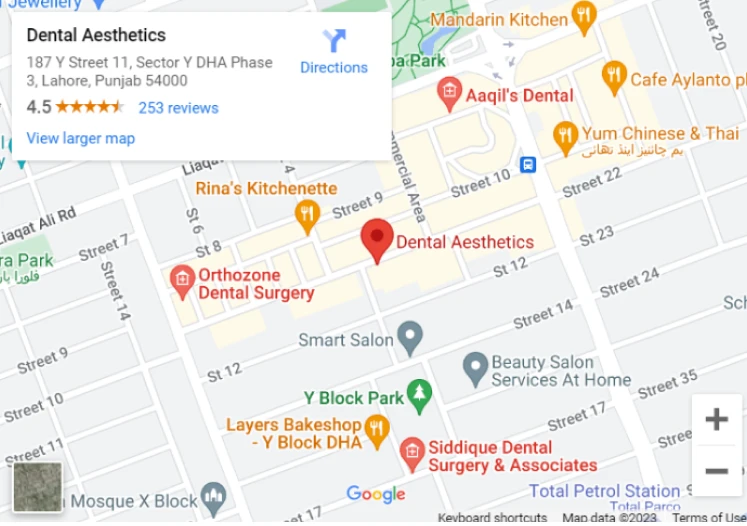
Timings
Monday - Saturday
11:00 am - 9:30pm
Sunday
12:00pm - 8:00pm