


What is the Best Age for Braces? A Parent's Guide to Your Child's Smile
March 28, 2026
All parents want their child to have a confident and healthy smile as they grow up. However, there’s often confusion around how to decide when it’s appropriate for their child to get braces. Questions about how long kids wear braces, when your child should see an orthodontist, what type of braces would be best for your child, and more are frequently asked by caregivers. Proper age determination, early intervention options, and signs that indicate your child may need braces can reduce time, discomfort, and long-term expenses.
The team at Dental Aesthetics Lahore specializes in the correction of children's smiles and offers complete orthodontic (braces) services specifically designed for each child. Our doctors are qualified and highly experienced children's orthodontists in Lahore, providing each child with customized care using the latest braces technology, including Invisalign for kids, Invisalign First, a Palatal Expander, and a Space Maintainer. In this guide, we will provide you with everything you need to know about getting braces for your child, including when to start evaluating your child for braces, how long they will have to wear braces, the average cost of braces for kids, and any other commonly asked questions concerning braces.
The Importance of Braces for Children
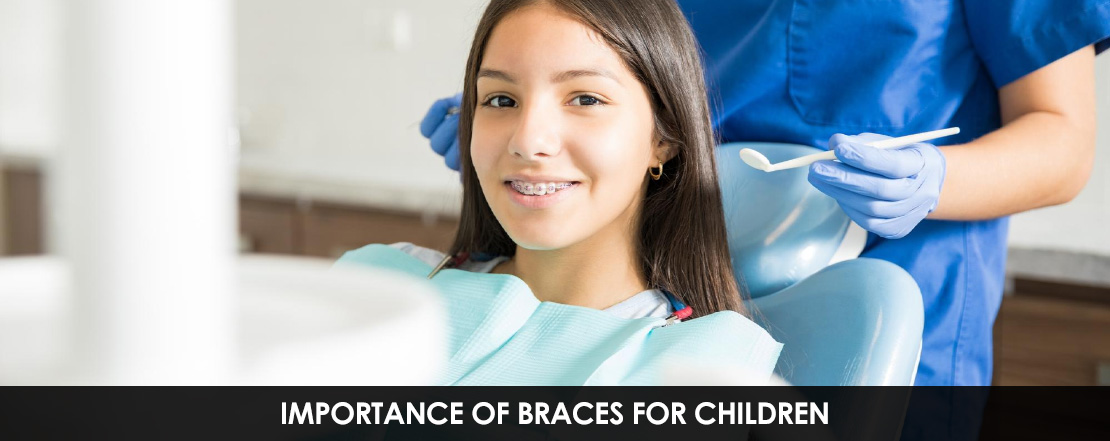
Braces are more than just a straight set of teeth; braces also assist in correcting misaligned or crooked teeth, misalignments within the mouth or teeth due to the jaw not functioning properly (malocclusion), and misalignment of teeth may negatively affect chewing and/or speaking. If there are untreated bite issues (for instance, the child has an underbite), this child could experience:
Inability to chew or bite properly (difficulty chewing)
Increased chance of developing tooth decay and/or gum disease
Difficulty Speaking
TMJ (Jaw Pain)
Low confidence due to teeth misalignment
You can prevent these problems from becoming worse by taking your child to a dentist specializing in early orthodontic treatment.
At Dental Aesthetics Lahore, we monitor a child's jaw development throughout his/her childhood. We also monitor the number of baby teeth present in order to properly plan treatment in a way that minimizes discomfort and guides the timing of when to start braces on the permanent teeth.
How Can You Tell If Your Child Needs Braces?
The purpose of the first visit to the orthodontist at Dental Aesthetics is to evaluate a child's jaw, check the number of teeth and their position, and determine whether orthodontic treatment will be needed in the future.
The Ideal Age for Children to Have Braces
When correcting teeth, the time that braces will be put on determines how well they will work through the different stages of development.
Braces on Baby Teeth (Primary Dentition)
At age 5 to 7, some children will benefit from having braces on their baby teeth. The type of treatments typically used is based on the following 3 factors:
The presence of any significant bite problems
The need to provide guidance for jaw development
The likelihood that permanent teeth will erupt into malocclusion
In these treatment approaches, the use of appliances such as palatal expanders or space maintainers will create adequate space for the permanent teeth to come into their ideal locations.
Braces on Mixed Dentition (Both Baby and Permanent Teeth)
When children are in their mixed dentition stage, all unshed baby teeth and most permanent teeth will have erupted. The ages of 7–10 years are appropriate to address developing malocclusions through early orthodontic treatments at this mixed dentition stage because these early interventions may prevent severe development of severe malocclusions as time passes.
Braces on Permanent Teeth
Most children will have their full braces placed between the ages 10 and 14 years when the majority of all permanent teeth have erupted. At this point, three reasons the orthodontist will want to place braces on the permanent teeth are as follows:
Bone is still pliable and therefore determinant of how much teeth can be moved
Breast development has occurred, and therefore, the ability to guide the jaw development to correct bruxism
The length of time it will take to complete treatment will be shorter than that of older adolescents or those requiring permanent teeth braces
The following table identifies the recommended timing of braces for children
| Braces | Age Range | Purpose |
|---|---|---|
| Early Evaluation | Age 7 | Identify malocclusion |
| Interceptive Treatment | Age 7-9 | Guide the growth of the jaw and prevent crowding |
| Full Braces | Age 10-14 | Align the permanent teeth and correct the bitemer orthostatic when orthodontic braces are used |
How Long Do Kids Wear Braces?
Different variables affect the length of the time it will take to treat a child with braces:
Severity of orthodontic problems
Age
Type
Compliance
The length of time required on average is 18-36 months
Types of Braces for Kids
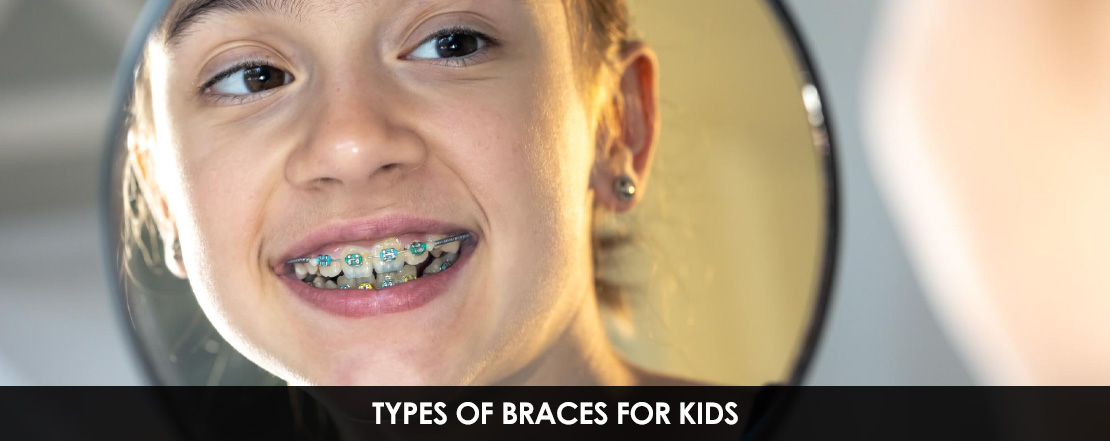
The right type of braces will be determined based on the child's age, current dental development and activities.
Traditional Metal Braces
Most popular and effective type of dental braces
Best suited for kids who have severe crookedness of teeth or complicated bite type problems.
Kids will be uncomfortable during the first few days after having them put into their mouths, but they are very durable.
Ceramic Braces
Less noticeable than metal braces because they are made from a tooth-coloured material.
Best for older children and teens who worry about how they look.
Need to be watched because if they are not cleaned properly they will become stained very easily.
Invisalign & Invisalign First
Can be removed for eating and easier cleaning than traditional or ceramic braces.
Invisalign braces are designed for younger children who need early orthodontic treatment.
Need to be worn by kids most of the time in order to do what they are supposed to do.
Retainers
Are used by kids after they take off their braces to keep their teeth in place.
They are necessary because they will help the child avoid having their teeth relapsing back to where they were prior treatment.
Space Maintainers
Are used when a child has a baby tooth that has come out too early for the next baby tooth or permanent tooth to come in.
Space maintainers will prevent the permanent teeth from crowding and not being in their proper positions.
Palate Expanders
Used to widen the upper jaw to correct bite and improve breathing.
Typically used as an early intervention in young children to have the proper jaw development.
Overview of Braces Attributes
| Attribute | Details |
|---|---|
| Pain Level | Mild to moderate (Usually after each adjustment) |
| Compliance Level | Very high for clear aligners (Invisalign) |
| Retainers | Worn usually for 12 to 24 months after braces |
| Length of Treatment | Approximately 12 to 36 months |
| Cost Range | Between Rs. 50,000 and Rs. 250,000 PKR in Pakistan |
Correcting an Overbite or an Underbite
Both appearance and function are affected by overbites and underbites. Early treatment can avoid complications from overbites or underbites.
Jaw pain/TMJ disorders
Uneven wear on the teeth
Speech troubles
Low self-esteem
Kids with minor and moderate bite problems typically receive treatment with a palate expander, braces or Invisalign First; those with severe bite problems usually benefit from being followed by the orthodontist until after they reach their teenage years.
Braces Cost for Children in Pakistan
Families often take cost into consideration when deciding whether to pursue orthodontic treatment (see breakdown below). Brace prices in Pakistan vary based on the type, the clinic they are treated at, and the complexity of the case:
Traditional Metal Braces: 50,000 - 150,000 PKR
Ceramic Braces: 100,000 - 200,000 PKR
Invisalign/Invisalign First: 150,000 - 250,000 PKR
Family orthodontists in Pakistan include children’s orthodontists in Lahore, children’s dental clinics in DHA, and clinics that serve children in Lahore that currently offer Invisalign.
Average Braces Cost in Lahore, Pakistan
| Type of Braces | Price in PKR | Comments |
|---|---|---|
| Metal | 50,000-150,000 | Strongest for severe cases and most efficient |
| Ceramic | 100,000-200,000 | Almost invisible (good for teens) |
| Invisalign | 150,000-250,000 | Removable, hygienic, consideration of self-image |
The Benefits of Early Orthodontic Treatment
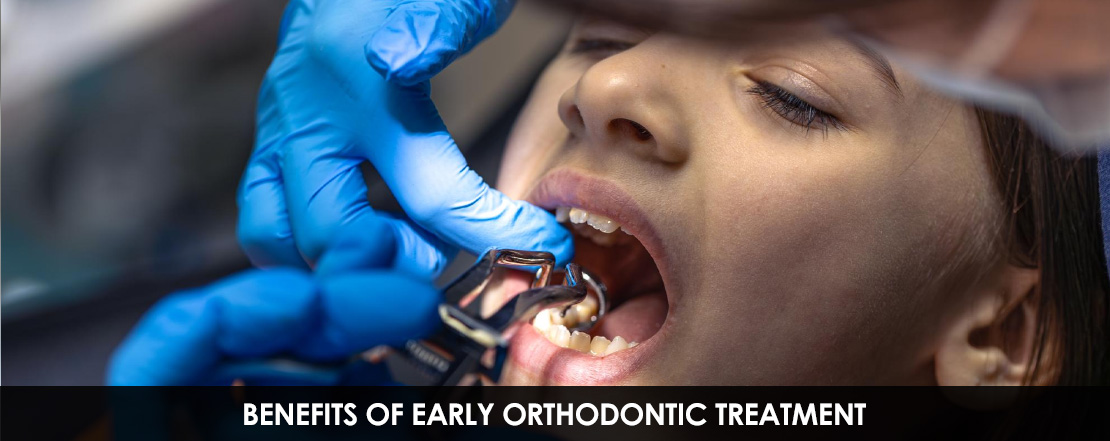
By investing in early orthodontics for your child, you are providing them with lifelong benefits. Some parents think that braces are only needed by teenagers; however, getting the appropriate age to begin orthodontic treatment can reduce the complexity of future treatment.
1. Shortens Future Treatment Time and Complexity
An orthodontist can identify developing dental problems during an initial evaluation (before the child has teeth). Therefore, once the orthodontist has established that there are issues with how teeth are positioned (misalignments) or how the bite meets, correcting these problems sooner may prevent or lessen the amount of time (and extent) that a child may need to wear braces in the future. Since there will be fewer complications and less time spent on treatment overall, less stress is placed on both the child and parent.
2. Controls Developing Malocclusion (misalignment of bite and teeth) Before Having the Permanent Teeth Fully Erupted
Malocclusion (misalignment of teeth and jaws) can be an issue that gets slowly worse as the permanent teeth begin to erupt. Early orthodontic treatment will provide the child with the necessary care to prevent or mitigate any malocclusion instances. Several types of orthodontic devices can be provided, such as palatal expanders or space maintainers, that can assist in achieving sufficient space in the mouth for the permanent teeth to erupt correctly. If insufficient space remains for the eruption of the permanent teeth, there is increasing potential for serious crowding or the need for tooth extractions due to severe crowding.
3. Aids in Properly Guiding Jaw Growth and Preventing Serious Bite Issues
Children's jaw bones are growing and are very pliable; therefore, they can be guided into proper position to correct (overbite, underbite, or crossbite) by utilising orthodontic appliances. If a child's jaw bones are lined up correctly with their teeth, it will ultimately provide the child and parent with the environment to prevent them from developing tooth decay and/or gum disease. Ensuring proper alignment of the jaw helps with function and provides less strain on the muscles and joints, thereby decreasing the risk of pain/discomfort and possible TMJ issues.
4. Improved Functional Aesthetics and Confidence
A child’s smile is an important aspect of their self-image; therefore, early intervention with correction of the child’s smile ensures that the child’s teeth will develop in a position that creates confidence in the child and will help to promote positive social interactions, and consequently, a higher level of self-esteem.
5. Prevention of Uneven Wear, Speech Issues, and Other Dental Problems
Teeth that are misaligned will result in uneven wear of the enamel on the surface of the teeth, leading to decay over time. Problems with the bite can also impact the development of speech and create lisps or other speech issues. Early intervention provides proactive solutions to these issues and helps improve oral health, thereby reducing the chance of complications later on.
While your child may not be ready for full orthodontic braces, there are other options available, such as dental space maintainers, palate expanders, or other appliances that will assist in guiding the correct eruption of teeth and maintaining space for the permanent teeth to emerge smoothly when the child begins full orthodontic treatment. Long-term success of orthodontic treatment will require patient compliance and proper aftercare.
After-care And Compliance To Guarantee Long-Lasting Results
While applying the braces begins the orthodontic process, the successful completion of that process involves compliance with the orthodontic instructions to maintain the results, and after-care to ensure that the time and money spent on the child’s smile will be paid back.
Compliance will require you to do the following to be successful:
Wearing the braces or aligners consistently
Attending all of the follow-up appointments
Maintaining excellent oral hygiene while they are wearing braces
Consistent use of retainers will be necessary for long-term success
Parents will have the biggest impact in helping their children comply with their orthodontic instructions through encouragement and by establishing routines that allow their child to make orthodontic care an everyday part of their life. If you provide your child with positive reinforcement and maintain open lines of communication with your child about the benefits of their treatment, you will greatly increase the likelihood of a successful outcome.
Conclusion
The correct age for braces varies depending on your child's jaw and tooth growth as well as their specific dental needs. Making early corrections to your child's braces means that the orthodontist can save time, help with more severe bite concerns, and help your child achieve the best possible outcome.
There are several ways that a child can get braces for their baby teeth as well as use other ways of addressing dental issues such as clear aligners and traditional full braces. Having your child get professional help at a young age will help ensure not only that they have a good-looking smile but also have self-esteem and feel comfortable and confident as they grow and develop.
Having your child start visiting the orthodontist at the suggested age will provide a framework for a beautiful functional smile that will last forever. The sooner you start treating dental issues, the better, less costly, and quicker the treatments will be.
Frequently Asked Questions (FAQs) About the Best Age for Braces?
Q1. Can braces be placed while a child has baby teeth?
Yes, baby teeth can be fitted with braces to correct misalignment of their bite or help guide the eruption of permanent teeth. Early intervention will help to avoid serious problems later.
Q2. What age should my child see an orthodontist for the first time?
The best time to have a first evaluation is around age 7. At that time, an orthodontist can identify any developing malocclusion and recommend preventive or corrective treatments if needed.
Q3. How long does a child wear braces?
On average, a child wears braces for 12 to 36 months; however, the length of time will depend on the degree of misalignment, type of braces worn and patient's understanding of the importance of following the orthodontist's recommendations.
Q4. Are there alignment devices available for children?
Yes, Invisalign (First) is designed specifically for children and for early intervention cases. They are removable, comfortable and can be more aesthetically pleasing than regular braces.
Q5. What is a child’s dental space maintainer?
A dental space maintainer is a device used for maintaining the open space for the eruption of their permanent teeth after losing a baby tooth too early; the dentist uses it to maintain the space to prevent the permanent teeth from becoming crowded or misaligned.
Q6. How much do braces generally cost for children in Pakistan?
The price for children’s braces ranges from PKR 50,000 to PKR 250,000, depending on the type of braces and complexity. Lahore has some well-known clinics that cater to children such as the child orthodontist Lahore and the child dental clinic DHA. They provide high-quality service and options for payment plans.



Request An Appointment
Map
Timings
Monday - Saturday
11:00 am - 9:30pm
Sunday
12:00pm - 8:00pm