Signs of Ectodermal Dysplasias: What Parents Should Know
February 9, 2026
When parents see that their child has some kind of abnormal tooth(s), such as having no teeth, having teeth with unusual shapes, not developing on schedule, or having pointy teeth, then it's understandable for them to be concerned. In many cases, having these abnormality(s) can be indicative of a rare genetic disorder known as ectodermal dysplasia (ED). One of the most obvious and devastating issues involved with ectodermal dysplasia is the dental problems associated with it that have a major influence on your child's looks, ability to speak, ability to eat properly, and their self-esteem.
This article is intended to provide parents with helpful information regarding ectodermal dysplasia teeth, how tooth development is affected in ectodermal dysplasia, and, most importantly, how modern pediatric dentistry and oral rehabilitation in Lahore can greatly enhance the quality of your child's life.
What is Ectodermal Dysplasia
Ectodermal dysplasia refers to a group of inherited illnesses that affect the outermost embryo layer (ectoderm) of the body. These patients typically have hair, nails, skin, and sweat glands that develop very poorly and/or do not function normally due to an abnormality in the ectoderm. This results in poor functioning and/or poor developing teeth due to being derived from the ectoderm. Therefore, children who develop ectodermal dysplasia typically have dental abnormalities.
While ectodermal dysplasia is considered a rare disorder, there are many other types and subtypes of ED that vary in severity. The most commonly diagnosed form of ectodermal dysplasia is hypohydrotic ectodermal dysplasia (or Christ-Siemens-Touraine syndrome), which is often hereditary through an X-linked recessive inheritance pattern. There are other forms of ectodermal dysplasia as well that are typically autosomal recessive, making genetic counselling vital to long-term planning for the patient's family.
From a dental standpoint, ectodermal dysplasias disrupt the process of odontogenesis, or the biological processes in which teeth form. Any disruption to these processes can cause missing teeth, oddly shaped teeth, poor quality enamel and delayed eruption of teeth.
Why Is Tooth Development Affected?
Tooth development generally starts early in fetal life and relies on healthy interaction between the dental lamina, tooth buds, enamel organ, ameloblasts and the tissues involved in the creation of dentin. In a child with ectodermal dysplasia, these developing structures can be compromised, resulting in missing teeth, enamel defects and improperly formed crowns.
Parents often notice problems while their child is developing their primary dentition (baby teeth) and later will notice issues with their child developing their permanent dentition. In many cases, children will never develop their adult teeth (a replacement for a baby tooth). This is the reason that many families are concerned about when they will see their child develop their ectodermal dysplasia-related teeth or if any of their child's missing teeth will appear.
Key Dental Signs Parents Should Be Aware of Are
Missing Teeth (Hypodontia, Oligodontia, Anodontia)
One of the most identifying features of ectodermal dysplasia, missing teeth, is congenitally missing. The most important sign of ectodermal dysplasia is that an individual has missing teeth; the degree of absence is something that will vary in each and every child.
Types of Missing Teeth Associated with Ectodermal Dysplasia
| Condition | Number of Teeth Missing | Clinical Significance |
|---|---|---|
| Hypodontia | 1-6 | Most Common Dental Anomaly |
| Oligodontia | 6+ | Diagnostic Feature of Ectodermal Dysplasia |
| Anodontia | None | Severe, Uncommon Condition |
The parents of children with hypodontia and oligodontia ask about the difference between these two diagnoses, and the reason for the difference is important. Hypodontia provides minimal functional deficiency, and oligodontia requires extensive rehabilitative dentistry for problems associated with jaw growth or formation of the face.
Cone and Peg Shaped Teeth
Cone-shaped teeth (or peg-shaped) are another common indicator of ED, and conical teeth typically have a tapered crown, a pointed cusp, and a small surface area. Conical teeth are associated with ectodermal dysplasia (ED). Other indicators of conical teeth include:
- Tapered or conical crowns
- Pointed (or conical) cusps
- Smaller surface areas
- Involves the anterior and posterior teeth
- Strongly associated with ectodermal dysplasia
The tooth problems caused by conical teeth affect teeth function, appearance and development of speech; therefore, early intervention regarding the aesthetics of teeth is very beneficial in Lahore. In addition to the appearance of the tooth being a factor, the small tooth size (high ratio of crown to root) will impact chewing efficiency, clarity of speech and one’s self-image as time goes on.
Eruption of Teeth is Delayed or Missing
Many parents will voice concern if their child experiences delayed eruption of their baby teeth due to a diagnosis of ectodermal dysplasia. Parents of babies with ectodermal dysplasia often worry about baby teeth not coming through at the appropriate times. This condition may cause baby teeth and permanent teeth to appear late or not at all. In some cases, a lack of permanent teeth can be seen on imaging; this is a sign of severe tooth agenesis.
When the baby teeth do not come in properly or at all, the delay in eruption can be associated with other abnormalities, such as spacing issues and an underdeveloped lower jaw, and changes in facial development.
Enamel Defects and Spacing Problems
Children diagnosed with ED are frequently afflicted with enamel hypoplasia. Enamel hypoplasia leads to the following:
- Weakened enamel
- Increased sensitivity
- Increased susceptibility to wear of teeth
Children with ED are also likely to have spacing problems with their teeth due to agenesis or undersized teeth, which further complicates the ability to function orally and adversely affects the appearance.
Clinical Terminology Parents Should Know
Understanding basic terms will help parents communicate with practitioners/codes expertise/ clinical terminology.
Common Dental Terms Explained
| Term | Definition | Meaning |
|---|---|---|
| Odontogenesis | Tooth development | The development of the tooth |
| Tooth agenesis | The congenital absent of the teeth | No permanent teeth are developing |
| Ameloblast | The cell that makes the enamel | Enamel cel |
| Dental Lamina | The tissue that activates the development of the teeth | Initiator for creating teeth |
| Primary dentition | Baby teeth | Baby teeth come in, then fall out |
| Permanent dentition | Adult teeth | Adult teeth do not fall out |
Functional and Psychosocial Effects
Fact:
The dental anomalies related to ectodermal dysplasia can affect many more things than just appearance. Missing or malformed teeth cause issues with how a child can function, such as the ability to eat solid food, or affect the chances of creating speech. There are also many opportunities for the child to have inadequate nutrition, especially for infants.
The psychosocial impact of children with visible differences in their teeth may also cause negative emotional effects like decreased self-confidence, social withdrawal and self-esteem issues; therefore, early intervention is crucial in supporting the emotional well-being of children and the quality of their lives in the long term
Can Teeth With Ectodermal Dysplasia Be Treated?
Commonly asked questions from parents include whether or not children with ectodermal dysplasia will have their teeth repaired. Yes, ectodermal dysplasia can be treated; although missing teeth do not come back, advancements in modern dentistry offer solutions that can restore the function and appearance of teeth.
Prior to treatment planning for your child, the child’s dentist should coordinate with the multidisciplinary craniofacial team (e.g., pediatric dentist, pediatric prosthodontist, orthodontist and, when applicable, geneticist) to ensure the accuracy of the treatment plan.
Treatment Options You Can Receive in Lahore
Available Dental Treatments for Children With Ectodermal Dysplasia
| Treatment | Description | Age to be Treated |
|---|---|---|
| Pediatric Dentures | Provide chewing and speech functionality | Childhood |
| Composite Bonding | Improve the conical teeth aesthetic | Childhood to adolescence |
| Crowns and Veneers | Provide long-term aesthetic correction for teeth | Adolescents |
| Dental Implantation | Replacement of lost teeth | Childhood |
For young kids, dentures will typically be the first part of their treatment. They will provide them with a temporary and proper dental replacement option that will help with eating and speaking, as well as their self-confidence, while also allowing their jaws to develop normally.
Corrective Aesthetics of Conical Teeth
By utilizing advanced techniques of dental aesthetics, teeth that are shaped like pegs or microdentia can be reconstructed or reshaped with the use of composite materials or crowns for the desired look and function of teeth.
Dental Implants for Ectodermal Dysplasia
Once the child's facial structure has fully matured, permanent dental implants will be considered to replace their missing teeth. Prior to implant placement, however, the patient must have adequate bone volume for successful placement, and any necessary detailed planning should be done with the use of CBCT imaging. At Dental Aesthetics Lahore, custom dental restoration is created for patients with ectodermal dysplasia in order for them to function appropriately and for the implants to be successful long-term.
The Importance of Genetic Counselling
Due to the inherited nature of ED families, it is crucial to provide information about the risks and status of inheritance for future family planning, as well as provide insight into the variability of the condition.
How Ectodermal Dysplasia Affects Growth of Facial Structures and Jaw Development
Facial structure can be affected by more than just missing or abnormally shaped teeth. The teeth have an important role in helping to guide the growth of the jaws, and when teeth are missing, such as in cases of oligodontia or anodontia, the jaws may not grow to their full potential, resulting in a short lower facial height and flattened lips, and possibly affect how the teeth fit together.
Children with hypohidrotic ectodermal dysplasia often have a decreased quantity of alveolar bone; because the development of alveolar bone is initiated with eruption, the absence of non-erupted teeth results in inadequate stimulation for development, so early prosthetic intervention (tooth replacement) can provide stimulation to the jaws, support symmetry of the face and reduce the potential for long-term functional disability. For these reasons, early oral rehabilitation is necessary not only for cosmetic purposes but also for achieving adequate craniofacial development.
Significance of Early Dental Imaging and Monitoring
A thorough clinical exam may not identify all of the potential problems related to the development of the ectodermal dysplasia teeth. Dentists can evaluate tooth buds and see if there are additional (often termed "succedaneous") teeth growing as a result of dental diagnostic imaging (for instance, CBCT or panoramic x-rays). As with aesthetics, age-appropriate aesthetic solutions (e.g., pediatric dentures or minimally invasive bonding) give children immediate psychological benefits.
Dental Aesthetics Lahore utilizes early imaging to provide families with the following information:
- To help determine whether the missing teeth are delayed or congenitally absent
- To evaluate how badly affected the child is with tooth agenesis and ectodermal dysplasia
- Whether there is sufficient available bone for a future dental implant, if needed
- Develop a long-term treatment plan based on the child’s growth patterns over time
- This proactive approach reduces speculation and allows families to effectively plan out the patient’s treatment in a series of stages rather than reactively responding to future problems
Studies support that a restored smile enhances self-esteem and social confidence and encourages children to get involved in school and group activities. The psychosocial benefits of restoring a child’s smile represent a key area of focus at Dental Aesthetics Lahore.
Speech Development and Nutritional Development for Children with Ectodermal Dysplasia
Teeth serve an important function when speaking in sound formation, particularly sounds produced by the tongue contacting the teeth. Therefore, children with missing teeth as a result of being diagnosed with ectodermal dysplasia will often have difficulty articulating specific sounds, such as the s, f, and th sounds. The inability to articulate these sounds will be detrimental to their school success and social engagement as they continue to develop during this critical phase of life.
Nutritional development is also a concern associated with having missing or fragile teeth due to enamel hypoplasia. Enamel hypoplasia and ectodermal dysplasia can create challenges for children in their ability to chew food normally. This can result in children only eating certain types of foods, which can lead to inadequate nutrition. Early dental intervention to assist with chewing function through better masticatory performance or balanced nutrition will contribute to the child's overall health.
Transitioning From Childhood to Adult Dental Care
In order to achieve optimal management of ectodermal dysplasia dental issues as a child ages, the approach to treating the child must be gradual. There are three phases to this treatment process:
| Age | Dental Care |
|---|---|
| Early Childhood | Functional prosthodontics are used to supplement a child's ability to eat and communicate. |
| Adolescence | Enhancements to a child's aesthetics and orthodontic coordination are used. |
| Adulthood | Definitive restorative dental solutions (i.e., dental implants) will be used. |
Each stage of management (including restoration) must utilize a concept of staged treatment to accommodate the growth and development of the child, allowing the treatment modality to continue to be effective and evolve with the growing child.
The development of a well-coordinated craniofacial team that is dedicated to looking at the child as a whole will ensure that the overall plan is effectively coordinated to allow for ongoing treatment throughout childhood, adolescence, and beyond.
Why Patients Choose Dental Aesthetics Lahore
Parents throughout Pakistan seek treatment for their children at pediatric dental care in Lahore due to its vast experience in the treatment of difficult-to-treat cases, including ectodermal dysplasia. The clinic has access to the latest and most advanced diagnostic equipment and produces individualized treatment plans, along with the ability to help children in a caring and compassionate manner.
Treatments focus on returning:
- The ability to eat normally
- The balance and appearance of the face
- Clear speech
- Self-confidence and self-esteem
All treatments will be coordinated with the child's medical professionals if genetic counselling or multidisciplinary assistance is needed.
Conclusion
Some of the physical manifestations of ED, such as missing teeth, microdontia, defective enamel, and cone-shaped crowns, can have a negative impact on functions related to eating, speech, and/or socializing, as well as on a child’s overall self-esteem and quality of life. Multidisciplinary care that includes pediatric dentistry, prosthodontics, and aesthetic rehabilitation will allow your child with ED to achieve healthy function and an aesthetically pleasing smile.
At Dental Aesthetics Lahore, we have extensive experience in treating complicated dental conditions resulting from hypohidrotic ectodermal dysplasia, teeth and other anomalies associated with ED. Our focus is to restore function, enhance facial aesthetics, promote emotional well-being, and improve long-term success through customised oral rehabilitation. Schedule an appointment today at Dental Aesthetics Lahore for your child and take the first step to restoring their smile, self-esteem, and future.
Frequently Asked Questions (FAQs)
Q1. When will the teeth of a child with ectodermal dysplasia erupt?
Because of their ectodermal dysplasia, children may not have any teeth erupt or, if some do erupt, they may come in late. Under certain conditions, children without permanent teeth will not develop any permanent teeth due to damage to the tooth buds during odontology. A dental X-ray can assist in diagnosing whether or not the child has permanent teeth below their gums.
Q2. How many teeth will I lose with my minor details (ectodermal dysplasia)?
The amount of missing teeth depends on different subtypes and severity of hypodontia ectodermal dysplasia, and does vary as children can have hypodontia ectodermal dysplasia that ranges from 1-6 missing teeth or oligodontia ectodermal dysplasia that has 6 or more missing teeth. Additionally, there are rare situations where a total absence of teeth is seen in children with anodontia ectodermal dysplasia. The presence of these types of missing teeth (i.e., hypodontia, oligodontia, anodontia) directly correlates to Ectodermal Dysplasia Syndrome's association with tooth/bite problems.
Q3. What causes my child's teeth to be cone or pointy shaped?
Cone-shaped (i.e., conical) teeth are typically described by parents as "my child has cone-shaped teeth" or "why are my child's teeth pointy?" The conical/peg-shaped characteristic of ectodermal dysplasia is an important diagnostic feature for ED. Conical teeth typically have a tapered crown, reduced surface area, and are associated with abnormal development of the enamel organ and ameloblasts.
Q4. Can ectodermal dysplasia teeth be repaired?
Yes, conical/peg-shaped teeth associated with ectodermal dysplasia will not regrow because the tooth was not formed as the child was developing; however, there are many modern dental solutions for this problem. Some potential treatment options for restoring the function and appearance of dentition (i.e., teeth) include: pediatric dentures, composite bonding, crowns, and/or eventually dental implants. Ethical Dental Aesthetics Lahore will provide a comprehensive treatment plan that addresses the needs for comprehensive oral rehabilitation, aesthetics and functional improvement.
Q5. Will ectodermal dysplasia teeth grow back on their own?
No, teeth that are lost because of tooth agenesis associated with ectodermal dysplasia do not naturally regenerate. However, teeth that have been lost may be replaced with prosthetic and implant-based solutions, which can greatly improve a child's speech development, nutrition and self-esteem.
Q6. Is ectodermal dysplasia just a dental problem?
No. Ectodermal Dysplasia (ED) is actually an inherited disorder that affects various ectoderm-derived tissues such as hair, skin, nails, and sweat glands. However, dental issues are often what families first notice about their child with ED. For this reason, it is critical to provide early dental intervention.
Q7. Should families seek genetic counselling?
Yes. Because ED is inherited in an X-linked recessive or autosomal recessive pattern, families can benefit from the information provided during genetic counselling to understand the inheritance risk, carrier status, and future planning when a family has multiple children with ED.
Share:





Request An Appointment
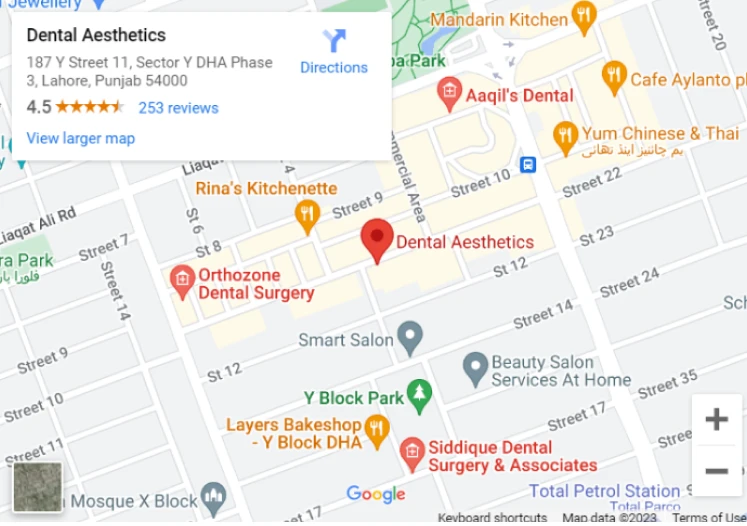
Map
Timings
Monday - Saturday
11:00 am - 9:30pm
Sunday
12:00pm - 8:00pm