What Foods and Drinks Should I Avoid After Getting Veneers?
December 4, 2025
Porcelain veneers are manufactured with the intent of being stain-resistant; however, the surface of the veneer in contact with your natural enamel has an area where pigments from many common foods, including curry, tea, coffee, and masala, can be absorbed. The composite bonding material utilized in the placement of a porcelain veneer is somewhat porous for a period of time after the veneer is placed, which makes it more prone to staining and weakening; therefore, patients are advised by their dentist to refrain from eating very hard foods and change the way they chew their food during the first few weeks after placement.
Repeated use of acidic beverages, such as soft drinks (cola), energy drinks, and citrus juices, can lead to the degeneration of the composite bonding material over time. While it is true that the porcelain veneer itself is highly durable and strong, over time, the layers of composite below the porcelain veneer can be compromised; this is why, at Dental Aesthetics, we ensure to guide our patients and help them understand how small but essential details regarding veneer care can ensure that their veneers last for many years without issues.
Why Patients in Pakistan Need To Pay Particular Attention to Their Veneers
While delicious, Pakistani foods typically contain a lot of dyes, turmeric, chilli oil, and deep masalas, all of which can stain enamel and the margins of veneers.
Common foods that cause stains:
- Karahi (Red)
- Biryani
- Haleem
- Nihari
- Kunna (slow-cooked meat cooked in multiple spices, oils, and sometimes stuffed tomatoes)
- Achari (pickles)
- Chapli kebab
The habits of the patients in Pakistan require them to be more careful and adhere more strictly to their veneer care instructions than patients from Western countries.
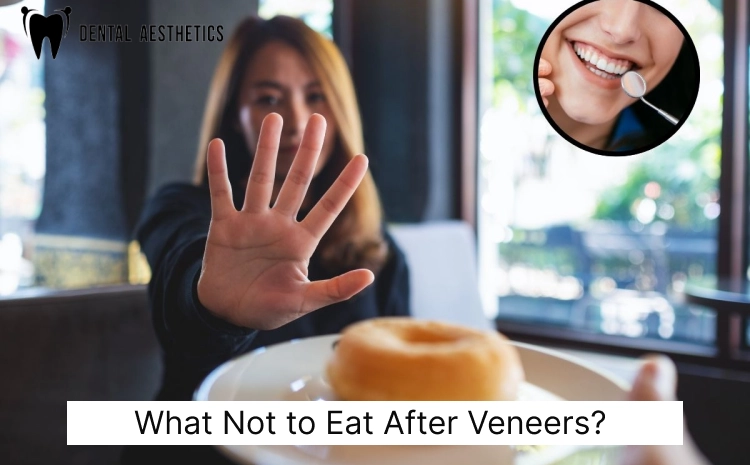
What Not to Eat After Veneers?
Avoid or reduce consumption of the above Pakistani dishes as they will stain natural teeth much quicker than most foods and will cause discoloration of the veneer's edge over time.
| Category | Examples | Why Avoid |
|---|---|---|
| Hard Foods | Nuts, ice, hard candy, crusty bread | Can chip veneers |
| Sticky Foods | Caramel, toffee, gummy candy | Causes sensitivity and erosion |
| Staining Foods | Curry, biryani masala, tomato paste | Cause veneer edge discoloration |
| Acidic Foods | Citrus, sodas, vinegar, tomato sauce | Cause sensitivity and erosion |
| Staining Drinks | Tea, coffee, cola, red wine | Stain the borders of veneers |
Drinks to Avoid with Dental Veneers
In addition, you will drink chai, doodh patti, and cola many times per day, thus increasing the likelihood of staining. Therefore, a patient in Pakistan needs to be extra careful with their practice of veneer care.
| Drink Type | Are They Safe? | Notes |
|---|---|---|
| Water | Yes | Best for veneers |
| Milk | Yes | No staining risk |
| Herbal tea | Yes | Light-colored teas only |
| Black tea | No | Causes stains |
| Coffee | No | Stains natural teeth around veneers |
| Cola / Soft drinks | No | Acidic + staining |
| Juice | No | Prefer light-coloured juices |
If you are a habitual drinker of coffee, particularly strong black varieties, you may want to take the following steps:
- Drink through a straw
- Decrease the number of cups consumed
- Rinse your mouth immediately after drinking coffee
- Schedule a routine professional cleaning of your teeth
Patients who regularly consume coffee, tea, and other dark foods should invest in a nightguard or protective tray to protect both the natural teeth and the veneers.
Lifestyle Choices That Impact the Longevity of Your Porcelain Veneer
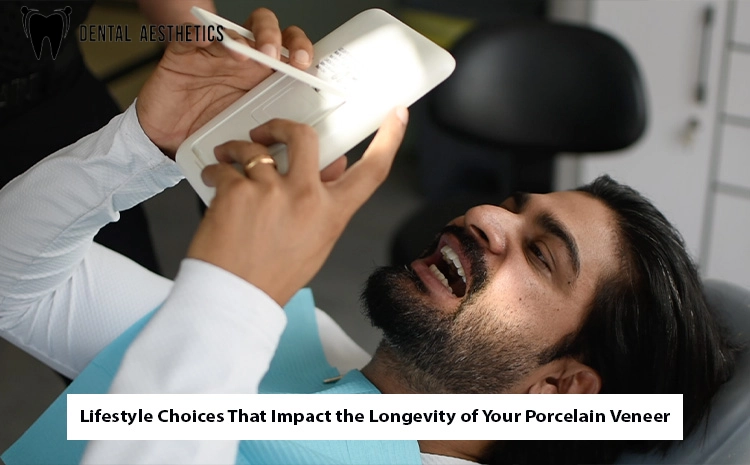
Things such as smoking, grinding your teeth (bruxism), and using your teeth as tools can also lead to damage to your veneers before they reach their expected lifetime.
Bruxism can create micro-cracks in your veneers due to the pressure applied to them over time. On the other hand, if you have a habit of using your teeth as tools (opening packets, biting off tape, using them to uncap bottles, etc.), this puts your veneers at risk and may also lead to damaging your natural teeth.
While cigarette smoke does not directly stain porcelain veneers, it does cause the edges to become stained and sometimes appear yellowish once the smoker stops smoking.
Saliva's function cannot be underestimated, as it serves to neutralize acids in the mouth. When an individual is dehydrated, they have a much greater chance of developing more stains.
When Should You See Your Dentist for Veneer Care?
Regular visits to a veneer specialist dentist every six months will allow your dentist to examine the edges of your veneers, the bonding material holding your veneers in place, and your gum health. Visiting the dentist for professional cleanings can remove stains and plaque that have accumulated deeper than what can be removed by daily brushing. If you experience any of the following symptoms, you should see a dentist as soon as possible to avoid more serious repair needs that may arise later on.
- Sensitivity
- Visible spaces
- Darker edges
- Broken or chipped veener's
- Uneven bite pressure
Because veneers are made from porcelain, polishing is not necessary; however, if your veneers become discolored or stained, your dentist may smooth out the edges or adjust them slightly for cosmetic reasons.
At Dental Aesthetics Lahore, we create porcelain and composite veneers with high quality by using the most advanced digital smile design technology to give each patient a natural look, an enduring smile makeover, and a stain-resistant smile while ensuring that it is designed to last.
Veneers and Long-term Maintenance for Tea/Coffee Drinkers
The most common question that patients have regarding veneers and coffee/tea drinking is, “How can I maintain my veneers while still drinking my favourite hot drinks?” Top dental clinics in Pakistan, such as Dental Aesthetics, recommend a dental-safe dietary regimen for tea and coffee drinking patients to follow:
- When practical, drink chai with a straw
- Limit your daily consumption of tea leaves
- Avoid drinking very hot beverages (the shock of temperature can weaken the bond)
- Immediately rinse your mouth after consuming
Brush your teeth 20-30 minutes after consuming tea or coffee (avoid brushing immediately to prevent enamel from becoming "soft" from the drink). Following these recommendations can drastically reduce the chances of veneer staining, while also rendering the daily consumption of chai/coffee safer for the veneers.
At Dental Aesthetics Lahore, we provide our patients with complete aftercare instructions to protect their investment.
What to Do When Veneers Become Stained or Darker Than Those of Natural Teeth?
Even with the best veneer care, over time, the natural teeth surrounding the veneers may become darkened, resulting in an obvious contrast between them. This is not a state of "failure" with your veneers; it is normal and correctable. Depending on the reason for the changed appearance of your veneers, the dentist may suggest the following options:
- Teeth whitening
- Getting the edge of the veneer or the tooth area around the veneer polished
- Replacing an older veneer that has developed micro-cracks
- Making changes to your diet in order to reduce the risk of staining.
Porcelain veneers cannot be made whiter with bleaching; however, the overall brightness of your smile can be restored by making other changes.
While bleached porcelain veneers will not whiten properly, a combination of professional cleaning and bleaching treatments by a professional dentist will enable patients to get their smiles back to an equivalent “bright” color than they had before the procedure took place.
When Will My Veneers Need to Be Replaced?
Porcelain veneers do not have a life span; with careful maintenance, most patients will not have a need to replace their porcelain veneers until they are 10-20+ years after their initial placement. Replacement of your veneers will be necessary if:
- Cracks develop on the veneer(s)
- Veneer(s) will wear down on the edges
- The gum tissue recedes enough that you can see the edge of the porcelain veneer(s)
- Stains can be seen on the veneers
- The bond material begins to weaken between the tooth surface and the porcelain veneer(s)
With a consistent oral hygiene routine, knowledge of the foods that can stain and damage porcelain veneers, and regular dental visits, patients can delay most of these issues for years.
Steps To Take To Protect Your Veneers At Home
You do not have to spend an excessive amount of money on products to maintain your veneers. You simply have to maintain consistency. Suppose you establish an effective oral hygiene routine. In that case, you will be less likely to have food particles or discoloring pigments remain on your veneers long enough to cause the margin of your veneers to discolor.
There are several things you can do at home to help maintain your veneers, these include:
| Routine Step | Frequency | Purpose |
|---|---|---|
| Soft brushing | 2x daily | Prevents edge staining |
| Flossing | 1x daily | Protect the bonding material |
| Rinsing after meals | Daily | Reduces discoloration |
| Using a straw | With tea/coffee | Prevents staining |
| Dental check-ups | Every 6 months | Ensures veneer durability |
- Brushing your teeth after you eat foods that are likely to stain
- Using a gentle electric toothbrush
- Using non-abrasive toothpaste, allowing for the upper layer of the veneer to be preserved, so as not to scratch it
- Rinse with water immediately after consuming tea or coffee
- Using whitening toothpaste (natural or otherwise, only for natural teeth) will help ensure that the color of your veneers is uniform
Optional: Consider doing oil pulling to eliminate or decrease surface stains.
If you eat foods that are known to stain, you should use the suggestions each day. These simple habits increase the longevity of your veneers and preserve their whitish appearance for longer periods of time.
Conclusion
If you have made an investment in aesthetic dental treatment, you will need to protect your porcelain veneers through your daily habits. It's important to note that although porcelain veneers are not "weak," they are also not "indestructible." You can maintain a bright, white, and beautiful smile for more than 10 years by avoiding certain types of food from damaging your porcelain veneers, reducing the number of foods and drinks that cause stains, and scheduling regular, routine oral care with your dentist.
The best way to start caring for your porcelain veneers is to gain an understanding of the correct foods and drinks to consume (or not to consume). Maintaining the correct dietary habits will have a huge impact on how well you care for your porcelain veneers.
Dental Aesthetics Lahore does not just create gorgeous smiles; we also protect them. Our dental specialists provide:
- Customized Aftercare Plans for Veneers
- Professional Polishing Services to Maintain Whiteness
- Stain Removal Services for Tea and Coffee Drinkers
- Follow-up Check-ups to Ensure Strength and Flawlessness of Veneers
If you are looking for a place to get your veneers and would like to have a clinic that will provide you with guidance throughout the entire process, then contact us today to reserve your consultation with Dental Aesthetics. Your dream smile begins here, and we are committed to keeping it perfect.
Frequently Asked Questions (FAQs) Regarding Foods and Drinks to Avoid After Getting Porcelain Veneers
Q1. What Are Some of the Foods You Should Avoid Eating After Getting Porcelain Veneers?
Tooth cleaning, such as brushing and flossing, and proper dietary habits (not eating hard, sticky, or stain-causing foods) are necessary for restoring the appearance of your smile after getting porcelain veneers.
Q2. After having dental veneers placed, what should I stay away from eating for the first 3-5 days?
Avoid the following items for a period of 48-72 hours after your veneers have been placed:
- Crunchy foods (such as chips and toasted bread)
- Hard fruits (such as apples)
- Sticky items (such as gum and toffee)
- Strongly spiced or high-acid items
Waiting for your bonding and gums to settle fully is the safest option because soft foods put less stress on your dental tissues.
Q3. Is it okay to drink tea with veneers?
Yes, but with caution. The tannins found in chai tea can stain the edges of your porcelain veneers, particularly if you drink chai tea multiple times a day (which is typical in Pakistan). If you do drink chai tea, it is advisable to use a straw when drinking to minimize contact with the veneer edge, rinse your mouth after drinking chai tea, and maintain a strong oral hygiene routine to help prevent staining the veneer.
Q4. Does chai stain porcelain veneers?
Chai tea does not directly stain porcelain; however, the bonding material used on the veneer and the adjacent natural tooth structure can become stained from chai tea. Over time, this results in a slight yellowish line appearing at the margins of porcelain veneers. Rinsing your mouth with water after consuming chai tea can help reduce staining of the areas around your dental veneers.
Q5. Does coffee stain veneers?
Coffee cannot stain porcelain; however, the bonding material used with your porcelain veneers and areas of your natural enamel that are adjacent to the porcelain veneers can become stained from coffee consumption.
Q6. What beverages are considered harmful for dental veneers?
Tooth discoloration and damage to your veneers can be caused by:
- Tea and coffee (the color causes stains)
- Cola products, including Pepsi (the acid and color causes damage)
- Red wine
- Energy drinks
- Citrus juices (the acid causes damage)
Q7. Which Pakistani foods may not be suitable for my veneers?
Some Pakistani dishes, such as nihari, haleem, karahi, biryani masala, chapli kebab, achari dishes, and beetroot salads, contain very intense coloring agents, including turmeric and chili oil.
Q8. Does spicy food affect veneers?
Spicy foods do not damage porcelain, but they can irritate the gums after getting veneers. Items that contain heavy oils or bright colors, such as curry, can cause stains to the tooth surface surrounding your veneers if they are not cleaned properly.
Q9. Can curry stain veneers?
Yes, curry is one of the main sources of food stains for veneer patients due to the presence of turmeric and chili oil. While porcelain does not easily stain, the natural tooth behind and surrounding the veneer may become darker, giving the veneer an unnatural appearance.
Q10. How long do veneers last when taken care of correctly?
With proper care, porcelain veneers can last from 10 to 20 years. Composite veneers with proper care can last as long as 7 to 15 years.
Share:





Request An Appointment
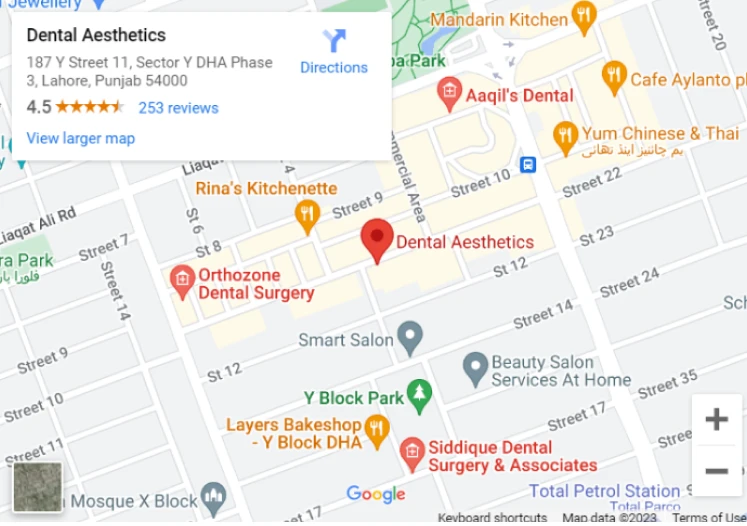
Map
Timings
Monday - Saturday
11:00 am - 9:30pm
Sunday
12:00pm - 8:00pm