Does Swishing Oil Actually Work? What Dentists Really Think About Oil Pulling

February 23, 2026
Oil pulling has gained popularity as one of the most prominent natural oral health trends in recent years, with many people sharing their stories on TikTok, blogs dedicated to natural health, and other social media platforms. Some people even claim that oil pulling can help whiten your teeth, get rid of halitosis, and eventually eliminate cavities. But, the question remains: is oil pulling as effective as people say it is, or is this an exaggerated claim?
Because oil pulling is a popular trend in wellness and natural remedies, many people seek it as a solution for improving oral hygiene. Some claims made by proponents of coconut oil use for oil pulling include whitening teeth, improving gum health, and preventing cavities. However, when patients ask dental professionals if this method of practising oil pulling works, they usually respond cautiously.
At Dental Aesthetics Lahore, we focus on providing patients with high-quality, modern, evidence-based dentistry and knowledge about their oral health. In this resource, we will review the scientific evidence behind oil pulling, highlight fact versus fiction, and discuss how to integrate natural remedies with traditional dental care.
What is Oil Pulling? (An Old Tradition or a Trend Today?)
As a traditional practice in Ayurvedic medicine, oil pulling is an age-old form of healing. Traditionally, people viewed oil pulling as a natural method to improve oral hygiene, swishing oil in the mouth for 15-20 minutes in the morning on an empty stomach. Many people consider oil pulling to be:
- A natural treatment for improving oral health
- An economical/simple remedy
- Alternative medicine
In its simplest form, oil pulling involves placing one tablespoon of oil in the mouth, swishing it around (also called "oil swishing"), and then spitting out the oil. Although oil pulling is a traditional practice, modern dentistry evaluates treatments for clinical effectiveness according to scientific principles and evidence.
Does Oil Pulling Work?

Research shows there's no strong long-term evidence. Based on your purpose (what you are expecting), research shows different things regarding oil pulling. While researchers have shown that oil pulling may help reduce oral bacteria that could contribute to plaque formation and bad breath, most studies report limited evidence of significant clinical benefit to support oil pulling as a long-term treatment.
Not surprisingly, most dental organizations, such as the American Dental Association (ADA), do not support the use of oil pulling in place of brushing and flossing due to the lack of scientific evidence.
Professors from the Cleveland Clinic and Penn Dental Medicine agree that although oil pulling may reduce oral bacteria in the short term, this method cannot adequately replace professional dental cleanings.
How Scientific Research Relates to the Effectiveness of Oil Pulling
| Claim | Evidence Level | Professionals Assements |
|---|---|---|
| Oil pulling reduces oral bacteria | Very limited clinical data | Possibly provides temporary benefits |
| Oil pulling prevents cavities | Insufficient scientific evidence | Not proven |
| Oil pulling treats gum disease | Unproven data and claims | Not a replacement for professional treatment |
| Oil pulling improves oral health | Some studies suggest a mild benefit | Adjunct only |
The potential advantages of oil pulling do exist, but these advantages alone are insufficient to provide a complete solution.
Potential Benefits of Oil Pulling
1. Oil Pulling For Teeth Whitening
Research indicates that some surface stains may be removed by oil pulling, as you use the oil to rinse your mouth. However, the oil itself will not bleach your teeth as a professional tooth-whitening process will.
When comparing oil pulling vs professional tooth whitening:
| Feature | Oil Pulling | Professional Tooth Whitening |
|---|---|---|
| Speed | Slow | Immediate |
| Effectiveness | Surface Stains | Deep Stains |
| Scientific Support | Limited | Yes |
| Longevity | Mild | Substantial |
If tooth whitening is your objective, the most reliable and effective option is to undergo a procedure performed by a dental professional at Dental Aesthetics Lahore.
2. Oil Pulling for Gum Health and Gingivitis?
Oil pulling is also frequently recommended as a method for improving oral health, particularly for individuals with gingivitis or gum irritation.
While there have been some very small controlled clinical trials that have provided some evidence of the effectiveness of oil pulling (using sesame oil or coconut oil) at reducing a small amount of gum irritation and plaque accumulation, in general:
- It does not treat advanced gum disease
- It cannot reverse periodontitis
- It does not replace scaling and root planing
Some dental professionals are skeptical of the validity of oil-pulling for relieving gingivitis and often note that its benefit is limited to individuals with very mild cases of gingivitis.
3. Oil Pulling for Bad Breath and Plaque Removal
One common reason people use oil pulling is to improve bad breath. Bad breath is usually caused by bacteria located on the teeth and/or the tongue. Oil pulling may reduce bad breath by temporarily removing odor-causing bacteria.
Claims that oil pulling replaces mechanical plaque removal are far more controversial than the potential benefit of oil pulling for bad breath. Although an oil can mechanically trap plaque germs, it does not dissolve hardened plaque (tartar). As a result, if you want to eliminate the thousands of germs contained in plaque, you will need to have them removed by a dental professional.
Oil Pulling Method: How to Do It Correctly
Here is a simple guide to safely perform the oil-pulling technique.
To do this oil pulling technique:
| Step | Method |
|---|---|
| 1 | Take 1 tsp of oil |
| 2 | Swish back and forth gently for 15 - 20 minutes |
| 3 | Do not swallow the oil |
| 4 | Spit the oil into the garbage (not down the sink) |
| 5 | Rinse your mouth with water and brush your teeth |
The oil pulling technique is best done as follows:
- Upon waking up, before you eat/drink anything
- After brushing your teeth, wash your face, and rinse your face with water.
- Every day
According to oil-pulling guidelines, to achieve optimal results, the technique should be performed for at least 15 to 20 minutes per day. However, there is insufficient evidence to conclude that 10 minutes of oil pulling provides no benefit.
Which Oil is Best for Teeth Oil Pulling?
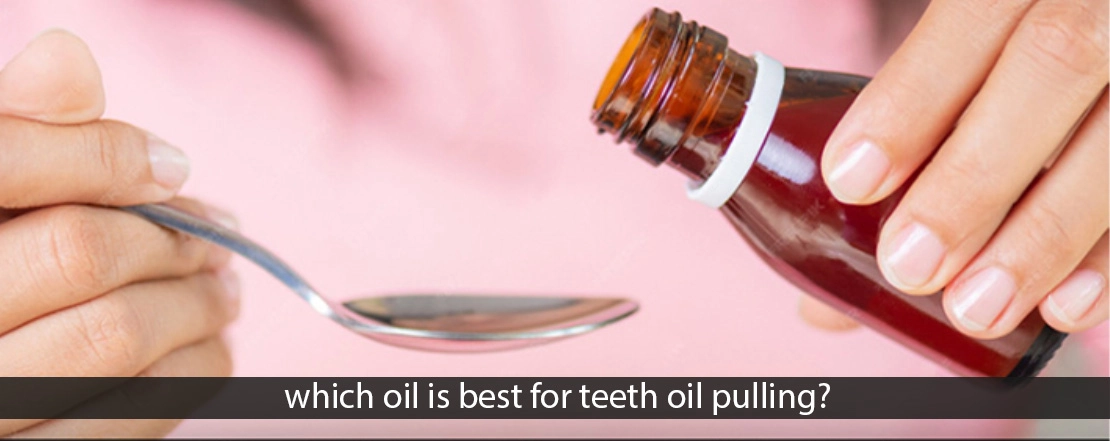
The oil used for oil pulling may vary based on individual preferences and tolerances.
Coconut Oil: Coconut oil has become the most common choice; compared with sesame or sunflower oil pulling, coconut oil is favored largely for its flavor and lauric acid content.
Sesame Oil: Sesame oil has commonly known to be used for centuries, making it a more traditional oil for teeth oil pulling practices.
Sunflowers: Sunflower oil is not as common as the above two oils, but it is still a choice made by some individuals.
Compared with coconut oil (pleasant oil) and sesame oil (strong oil), sunflower oil (neutral oil) also exhibits antibacterial properties; therefore, it is difficult to determine which oil is best for oil pulling.
Comparison of Oil Types Used for Oil Pulling
| Oil Type | Flavor | Typical Use | Antibacterial Ability |
|---|---|---|---|
| Coconut Oil | Medium Flavour | Modern Popularity | Some Evidence of a Benefit |
| Sesame Oil | Strong Flavour | Traditional Ayurvedic | Very Little Evidence |
| Sunflower Oil | Neutral | Less Common | Very Little Evidence |
The most common oil for oil pulling is coconut oil. Many people choose to use coconut oil to clean their teeth, primarily for its taste and ease of use.
What is more effective, oil pulling or mouthwash?
- Oil pulling | 15-20 minutes | Few Studies | Mild Effects on Gingivitis | Rarely a Primary Treatment
- Antiseptic Mouthwash | 30-60 seconds | Many Studies | Clinically Proven | Commonly Used for Certain Cases
Mouthwash has been studied extensively, while there is very little data on oil pulling as a treatment.
Can you replace toothbrushing with oil pulling?
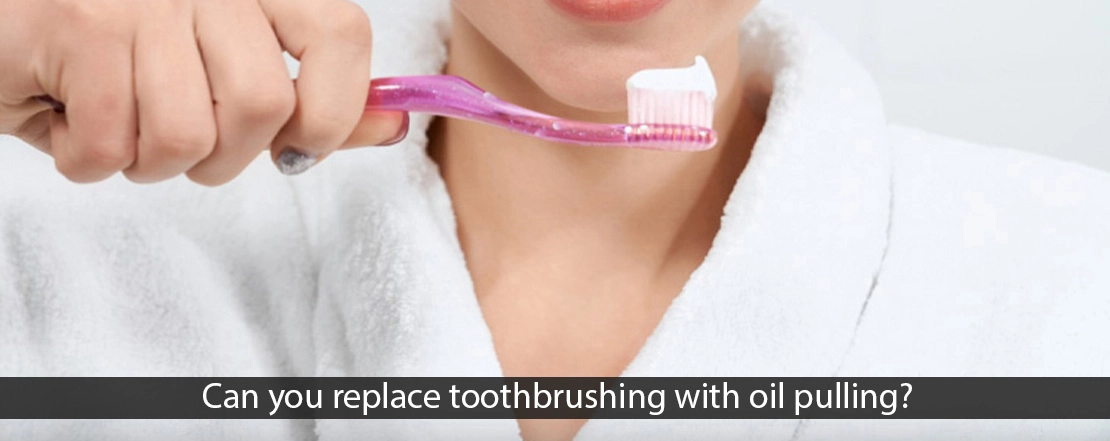
No. According to the American Dental Association (ADA), oil pulling should never be the sole method for maintaining oral hygiene. You should brush your teeth with fluoride toothpaste and floss.
While using oil to clean your teeth may reduce bacteria, it will not remove all plaque or hard tartar, and oil pulling is not an effective way to prevent cavities.
Does Oil Pulling Fix Cavities?
The difference between oil pulling and mouthwashes is that although there is limited data on oil pulling for treating gingivitis, evidence-based research supports the use of mouthwashes.
In general, dentists do not recommend oil pulling as an alternative to regular dental care methods, and you will find that oil pulling will often be stated as an adjunct to regular dental care if mentioned at all. When bacterial acids erode tooth enamel, they eventually create irreversible damage to the structure of healthy teeth resulting in the development of cavities; however once enamel has been compromised and a cavity is present, natural repair of the tooth is not possible, while fluoride may stabilize initial early enamel demineralization, greater intervention will be required (such as fillings, crowns or root canal therapy) for existing tooth decay.
Oil pulling (coconut oil, sesame oil or sunflower oil) does NOT:
- Repair Enamel Damage
- Reverse Established Cavities
- Eliminate Deep Bacterial Infection
- Substitute Restorative Dental Procedures
Although some studies indicate that oil pulling may reduce the presence of certain bacteria in the mouth, there is insufficient scientific evidence to support its use in preventing or reversing developing cavities.
If untreated, a cavity will increase in severity, turning to infection and pain and requiring increase disruption of the dentin layer, therefore delaying seeking a professional solution but using an alternative therapy will increase your chance of long-term complications.
Is Oil Pulling Safe to Use Every Day?
Using essential oils to draw out oral oil is typically considered low risk for a healthy person when used as directed, on an empty stomach at least once daily for approximately an additional 15 to 20 minutes, often first thing in the morning.
However, other experts warn about the dangers of:
- Accidental ingestion of an oil-charged salivary mix containing bacteria from the mouth
- Using oil pulling as a serviceable replacement for flossing/brushing
- Having unrealistic expectations about almost immediate results from anecdotal information.
For most people who use oil pulling on a regular basis, it should be an adjunct to regular dental hygiene practices (that includes regular visits to the dentist).
What do dentists typically think of this method?
In general, most dentists take an arm's-length view of natural therapies, including oil pulling, based on scientific evidence.
Most dentists recognize that oil pulling is a historical method originating in Ayurvedic medicine (traditional Indian medicine), but many modern treatment regimens in dental practice are based on the latest evidence and proven science.
What dentists say about oil pulling:
- It may help reduce bacteria temporarily
- It could potentially improve mild halitosis (bad breath)
- It should not replace brushing or flossing
- It cannot treat advanced gum disease
- It does not cure cavities
Dentists also note that oil pulling should be considered an adjunct to other oral health practices; therefore, brushing and flossing should be performed regularly alongside oil pulling. Moreover, dentists advise that there is no evidence that the oil can prevent or stop advanced gum disease. Any cavities present will not be "cured" simply by oil pulling alone.
In fact, according to the American Dental Association, there currently isn't sufficient scientific evidence available to justifiably recommend oil pulling for standard dental care; therefore, guidelines issued by both the Cleveland Clinic and Penn Dental Medicine similarly indicate that shows mild benefits, oil pulling should never replace routine dental care.
Dental professionals are measured by their approach to oil pulling; rather than indicating that oil pulling is ineffective, they simply suggest it is an adjunct therapy rather than an alternative to comprehensive care.
When Should You Go To The Dentist Instead?
Moderate to advanced dental issues cannot be resolved through oil pulling therapy - if you have one of the following issues, you should consider making a trip to see a dentist:
- Bloody or swollen gums (can indicate gingivitis or periodontal disease)
- Loose teeth (can indicate periodontal disease)
- Ongoing tooth pain
- Sensitivity to hot or cold
- Cavitations of teeth
- Chronic halitosis
Dental issues such as plaque, periodontal disease, and caries always require clinical assistance; oil pulling cannot dislodge tartar or heal gum tissue.
At Dental Aesthetics Lahore, patients receive comprehensive examinations, scaling and polishing, teeth-whitening treatment, and advanced periodontal services tailored to their individual conditions. The principles of evidence-based dentistry ensure safe and effective dental treatment with satisfactory, long-term outcomes.
Conclusion: Is Oil Pulling Worth It?
Benefits reported from oil pulling may include freshening the breath and a slight reduction in oral bacteria, but there is currently no scientific evidence that it removes cavities, reverses periodontal disease, or serves as an alternative to brushing and flossing.
Oil pulling may be included as part of a comprehensive (holistic) oral care plan, but it will not serve as a substitute for professional dental treatment. Long-term efficacy in teeth whitening, gum health, and cavity prevention can only be achieved by consulting a certified dental expert. At Dental Aesthetics Lahore, our dental professionals provide modern, evidence-based treatments designed to protect and restore your oral health safely and effectively.
Frequently Asked Questions (FAQs) About Oil Pulling
Q. What are the benefits of oil pulling?
Oil pulling has been shown to reduce bacterial levels in the mouth and temporarily alleviate malodorous breath; however, it will not reverse tooth decay or advanced periodontal disease.
Q. How do you properly oil pull?
Swirling a tablespoon of oil for 15-20 minutes on a bare stomach, then removing it (by spitting into the trash), rinsing with water, and brushing your teeth is considered oil pulling.
Q. Is it good to do oil pulling every day?
Oil pulling can be practiced safely on a daily basis by most individuals, but should never replace brushing and flossing or regular dental examination visits with a dentist.
Q. What are the negatives of oil pulling?
Oil pulling requires a significant amount of time, has significantly less research supporting it as a treatment than other oral hygiene practices, and creates the perception that many individuals can achieve unrealistic benefits when compared with traditional forms of oral care.
Q. Should I brush my teeth after oil pulling?
Yes! Brushing your teeth after completing the oil swishing process is essential for maintaining proper oral health.
Q. Can oil pulling fix receding gums?
No, oil pulling cannot fix receding gums. Receding gums generally require periodontal treatment from a dentist.
Q. When is the best time to do oil pulling?
Many individuals practice oil pulling first thing in the morning, preferably after completing their morning routine.
Q. What is the difference between oil pulling and hydrogen peroxide?
Although hydrogen peroxide has stronger evidence of antibacterial effectiveness than oil pulling and should be used only under the direction of a dental professional, hydrogen peroxide rinses carry a higher risk than oil pulling.
Share:





Request An Appointment
Map
Timings
Monday - Saturday
11:00 am - 9:30pm
Sunday
12:00pm - 8:00pm