


Pregnancy & Dental Care: Safe Treatments and Tips for Moms-to-Be
January 5, 2026
For many women, pregnancy can be an incredible experience, but it can also result in many physical changes in the body, especially in terms of the mouth. The effects of hormonal changes during pregnancy are quite surprising for several women when it comes to the effect of these hormones on their oral health. Dental care during pregnancy is a very important aspect of prenatal care.
At our Dental Aesthetics Clinic, we excel at providing safe, gentle and professional dental treatment to our mothers-to-be, helping them to care for their own dental health as well as that of their unborn child. We are very good at helping with your pregnancy dental treatment in the Lahore area, so if you have been searching for pregnancy dental care near you, this information may be of benefit to you.
Importance of Dental Care During Pregnancy
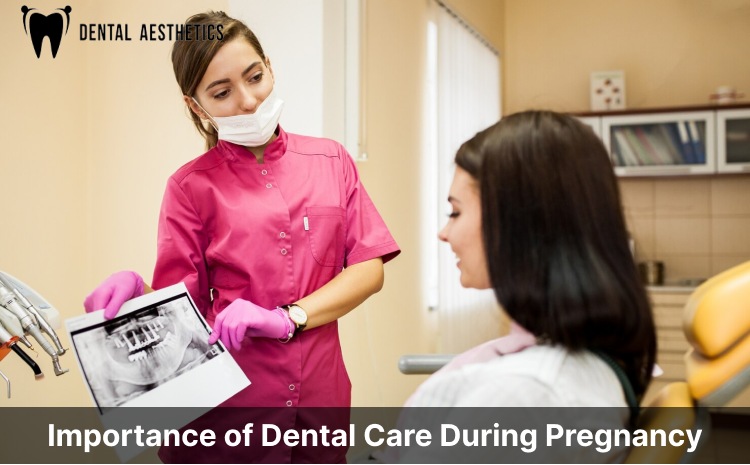
The link between your oral health and your general health is very strong; during pregnancy, this link becomes even stronger.
How a Woman's Body Changes After Becoming Pregnant
Estrogen (believed to have a stimulating effect on the female reproductive organs) and Progesterone (believed to be necessary for implantation and early pregnancy) can:
- Increase your gum sensitivity
- Causes an increased risk of infection and inflammation
- Change the composition of your saliva
- Create a greater likelihood of an increased plaque buildup
Poor oral hygiene during pregnancy can create significant problems, including an increased risk of developing pregnancy-related gum disease. Gum disease has also been associated with low birth weight and premature birth.
The American Dental Association (ADA), in accordance with its guidelines, states that routine dental care can be performed safely and should be done on a regular basis.
Common Pregnancy Oral Health Conditions
| Dental Condition | Response | Importance |
|---|---|---|
| Gingivitis during pregnancy | Hormone level changes | Can develop into periodontal disease |
| Bleeding of the Gums | Increase blood flow | An indicator of inflammation |
| Dental caries | Cravings during pregnancy and acidity | Increase in risk for cavities |
| Erosion of enamel | Morning sickness | Weakening teeth |
| Dry mouth | Due to hormones | Increase in bacterial growth |
Early identification of complicating factors, through the services of trained specialists, reduces the risk of bigger problems.
Why It's Important to Visit The Dentist During Pregnancy
You should make an appointment:
- Once you've confirmed you are pregnant.
- If you are experiencing gum bleeding or pain.
- Before the end of the second trimester.
To provide mothers-to-be with safe, effective, and easy-to-cope-with dental care, Dental Aesthetics strives to provide:
- Experienced dentists who work with pregnant patients
- Evidence-based protocols as prescribed by the American Dental Association
- Gentle, non-invasive treatments
- Collaboration with obstetricians to provide coordinated care for patients
- An up-to-date, comfortable clinic location in Lahore
Our goal is to provide pregnant women with all of their dental care services in Lahore, providing safe and effective treatment.
Is it Safe to Have Dental Hygiene During Pregnancy?
Yes, it is very safe to have most types (depending on the nature of the work) of dental treatment performed during pregnancy when performed by a qualified dentist or dental professional who uses safe and non-invasive techniques.
ADA Approved Safe Dentistry During Pregnancy
| Dental Work | Safe to Have | Best Time to Have |
|---|---|---|
| Regular Dental Checkups and Cleanings | Yes | Any trimester |
| Dental X-Rays | Yes | As clinically indicated |
| Fillings and Root Canals | Yes | Second trimester |
| Emergency Dental Treatment | Yes | At any time |
| Teeth Whitening | Limited | Consult your dentist |
At the Dental Aesthetics Clinic, all our Pregnancy Dentists are trained according to the ADA guidelines and, when appropriate, work with your obstetrician.
The Best Timing for Dental Care During Pregnancy
Routine dental checkups during pregnancy will decrease the likelihood of dental emergencies later in pregnancy.
| First Trimester | Concentrate on regular checkups and preventive care. |
| Second Trimester | The safest trimester for most types of dental care to be completed. |
| Third Trimester | Avoid extended length dental work; concentrate on comfort. |
The best defence against oral health issues during pregnancy is excellent oral hygiene habits. Your best way of preventing poor oral health while you're pregnant is maintaining good oral hygiene.
Suggestions on Dealing with Cravings for Oral Health

Most pregnant women crave sweet, sour and/or acidic foods, which contribute to:
- Increased risk of cavities
- The loss of your enamel
- The growth of bacteria
To help protect themselves from these negative results, they have some things they can do to maintain proper dental health.
- They should wash with a drink of water immediately after eating the food that triggered the craving.
- They should try their best to select healthier choices for their craving.
- They should also not brush their teeth immediately after eating acidic foods.
Our dental professionals can help provide the best way for pregnant woman to manage their cravings while promoting dental health during pregnancy.
Gingivitis During Pregnancy and What You Need to Know
Pregnancy gingivitis is something all pregnant women should be aware of. Some symptoms of pregnancy Gingivitis are:
- Red and swollen gums
- Bleeding when brushing
- Chronic bad breath
If left untreated, gingivitis can progress into gum disease, causing problems for both mother and child. There are several steps women can take to protect their teeth during pregnancy, including rinsing with water after cravings, using healthier snack options when possible, and not brushing their teeth immediately after eating acidic foods.
Our dental professionals are trained to help balance an expectant mother's cravings and ensure that appropriate dental care is provided during pregnancy. Dental Aesthetics Clinic provides gentle, non-invasive gum disease treatment for mothers-to-be.
Is Teeth Whitening Safe While Pregnant?
This question is often asked by expectant mothers who want to whiten their teeth. It is recommended that:
- Get a consultation from a professional.
- Stay away from aggressive chemical whitening products and try to only use polishing and staining removers.
- Our clinic can offer alternative options that are safe to use while pregnant.
We offer the best teeth whitening services, especially for pregnant women. Visit us today at Dental Aesthetics and smile with confidence.
Recommended Dental Routine for a Pregnant Woman
Routine recommendation given to you as a mom-to-be:
| Routine | Recommendations |
|---|---|
| Brushing | Twice daily with fluoride toothpaste |
| Flossing | At least once daily |
| Using Mouthwash | Use alcohol-free, dentist-approved |
| Dietary Sugars and Acidity | Limit, use healthy alternatives instead |
| Hydration | Drink plenty of water |
A professional hygienist can help create a routine for dental hygiene during pregnancy that is gentle on your gums and effective in keeping the teeth and overall oral health of mothers-to-be healthy.
What Makes the Dental Aesthetic Clinic in Lahore a Good Choice?
For those of you looking for quality dental care during your pregnancy, here are some reasons families trust our clinic.
- We have a highly trained pregnancy dental hygienist
- We follow the ADA guidelines for safe oral treatment
- We offer gentle and non-invasive treatments
- We work together with obstetricians to give our pregnant patients a coordinated approach.
- We are a modern, comfortable dental practice in Lahore
Do you need to find a pregnancy dentist near you? Come to our Lahore clinic, we're here to help. There is no need for an expectant mother to worry about receiving safe, effective and stress-free treatments while visiting our clinic.
Conclusion
Just like your body, your smile needs to be adequately cared for during your pregnancy for it to remain healthy and beautiful. You can make the process of caring for and maintaining your smile easy, comfortable and effective during your pregnancy through professional assistance and safe procedures, as well as maintaining a regular care routine.
If you are searching for dependable dental care services during pregnancy in Lahore, then the Dental Aesthetics Clinic is ready to help you every step of the way.
By consulting with a qualified and experienced dentist and getting assistance from a dental hygienist, you can get high-quality care that is both gentle and effective throughout your pregnancy period, including managing gum disease resulting from pregnancy, dealing with hypersensitivity in your teeth due to hormones, and answering any questions you may have.
Frequently Asked Questions (FAQs) About Pregnancy and Dental Care
Q1. Is it safe to go to the dentist during pregnancy?
Absolutely. The American Dental Association (ADA) states that it is perfectly safe for women to have preventive and other necessary dental treatments performed during pregnancy by a qualified provider.
Q2. Do pregnancy hormones affect your oral health?
Definitely, the relationship between pregnancy hormones and your oral health is established because of the increased risk of developing gum disease, cavities and other dental problems.
Q3. Are dental X-rays safe during pregnancy?
Dental X-rays can be safely performed during pregnancy, if needed and instructed by your dental professional, with protective shields.
Q4. What kinds of dental care are best for pregnant women?
Routine visits for checkups, scaling and polishing, non-invasive treatment and good daily oral hygiene will support healthy teeth through pregnancy.
Q5. Can I whiten my teeth while I am pregnant?
The only recommended whitening option while pregnant would be through disclosing gentle, dentist-approved methods. It is recommended to consult your dentist before whitening your teeth during pregnancy.
Q6. How many times should I go to the dentist during my pregnancy?
It is recommended that a pregnant woman should at least once every three months; however, it's best to follow the guidelines provided by your dental professional.
Share:






Request An Appointment
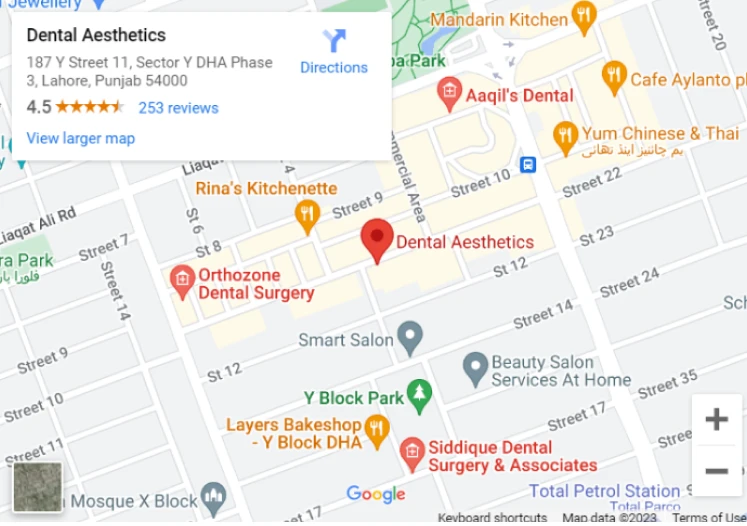
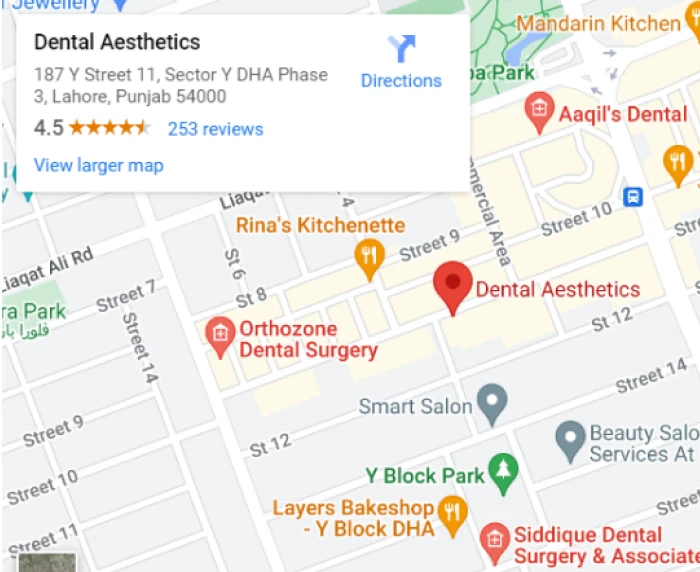
Map
Timings
Monday - Saturday
11:00 am - 9:30pm
Sunday
12:00pm - 8:00pm