


TMJ and Jaw Pain Signs, Causes & How a Dentist Can Help
December 29, 2025
You shouldn't have to suffer through jaw pain. When your jaw hurts and is affecting your ability to eat, talk, or sleep, to the point of giving you headaches or earaches, this is when you might want to see a medical professional about your condition because these symptoms may indicate an issue with your jaw that is related to a Temporomandibular Joint Disorder (TMD) or a TMJ problem.
Many people put off going to get treatment because they did not know that their dental provider could assist in the treatment of the pain associated with the TMJ. At the Dental Aesthetics Clinic, we regularly treat patients who have ongoing issues with their jaw, and we work diligently to give you personalized treatment for TMJ pain issues. If your search for a dental provider who will treat your TMJ issue in Lahore leads you to us, please know that understanding your own condition is the first step in your journey toward finding relief from TMJ pain.
What is the Temporomandibular Joint (TMJ)?

The Temporomandibular Joint (TMJ) connects your lower jaw to the skull and allows you to perform daily functions such as chewing, talking, and yawning due to the smoothness of the movement of this joint. The TMJ is constantly in motion and requires the balance of the muscles, bones, and ligaments to function correctly. Therefore, when there is an imbalance within these elements, significant pain and discomfort will develop.
When the muscles or ligaments in and around the TMJ are not appropriately aligned, TMD will develop. TMD can affect either the TMJ itself or the muscles surrounding the TMJ. For this reason, an examination of the TMJ will often reveal the source of TMJ issues that arise.
How Does TMJ Affect Your Dental Health?
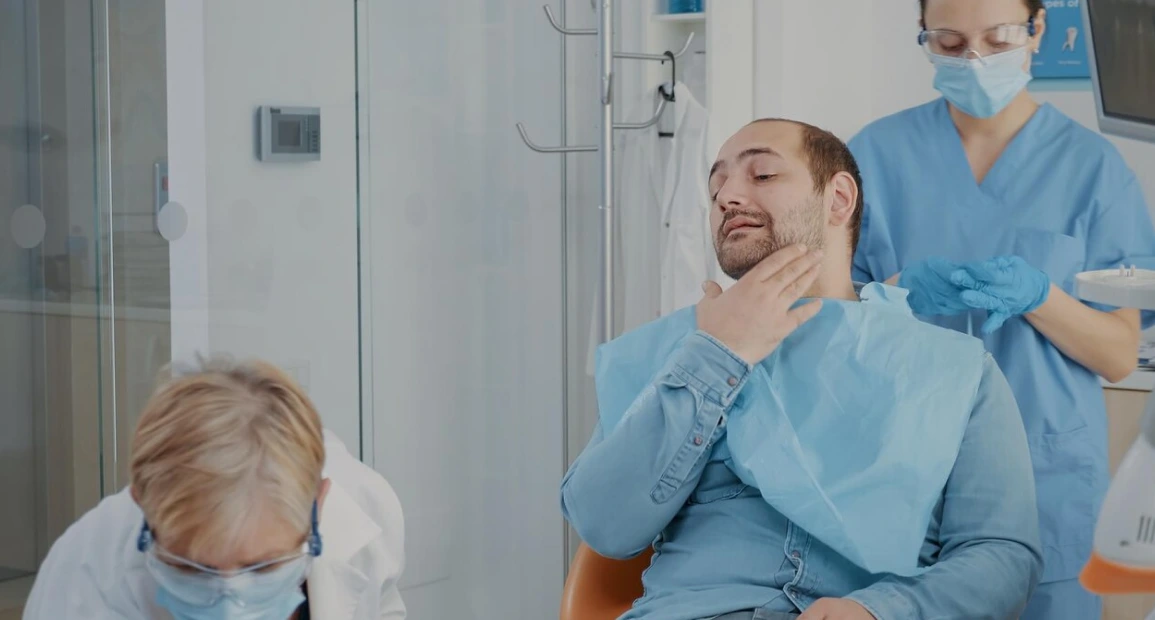
TMJ conditions can affect the joint itself, the jaw muscles, or both. TMJ disorders can be misdiagnosed, with some patients suffering from mild stiffness, while other patients suffer from ongoing pain and/or headaches that radiate up to the head, ears, or neck.
Commonly identified symptoms of TMJ or jaw pain include:
- Morning jaw stiffness and pain
- Tenderness on the sides of the jaw or cheeks
- Sounding of a click, pop, or grind while open/closing your mouth
- Inability to fully open the mouth (may feel the jaw to be 'stuck')
TMJ-related pain can be described as sharp, dull any presentation of the pain, constant or throbbing; patients may not realize that migraines are often confused with 'TMJ headaches' and earaches, which result from the TMJ condition. However, ear discomfort/ear pain due to TMJ is often misidentified as an Ear Infection due to the lack of any cold or flu-type symptoms.
TMJ Symptoms and Their Possible Explanations
The chart below lists common symptoms of TMJ and describes the possible reasons this occurs:
| Symptom | Possible Cause |
|---|---|
| Jaw Popping or Clicking | Movement of the jaw disks occurs without oil in the joint |
| Clicking/Popping in the Joint | Displaced disc |
| Torments of Headaches Caused by TMJ | Stress on muscles and/or nerves |
| Ear Pain Differs from Infection | TMJ swelling/nausea related to nearby structures in the ear |
| Decreased Opening of the Jaw | Joint lock/arthritis |
| Facial Swelling/Pressure | Strained/Agitated Muscle |
Causes of TMJ and Their Effects on the Jaw
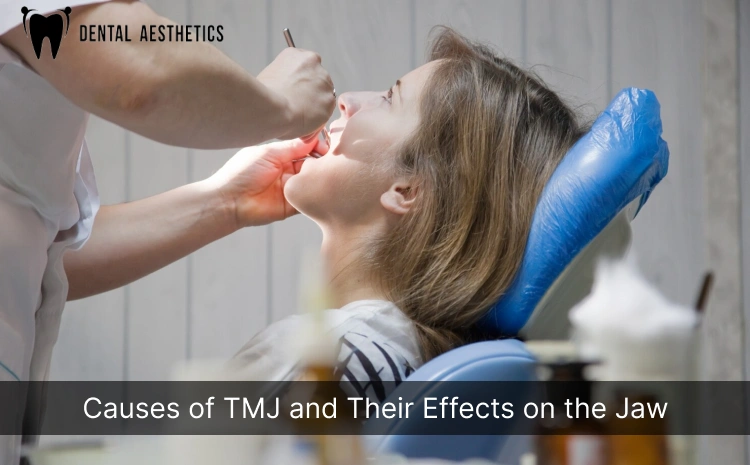
Generally speaking, TMJ problems will not be due to just one cause. Instead, multiple factors generally result in the combination of symptoms that lead to jaw discomfort.
The causes of TMJ pain and jaw pain are numerous; however, the most frequent causes of these conditions are bruxism, or tooth grinding and tooth clenching, with this condition also known as tooth clenching, which may be done at night or during daily activities; the stresses of work or stress of life cause this condition to develop, as the continued clenching and grinding of the teeth causes excessive physical pressure to the jaws and jaw joint, resulting in inflammation and some pain.
| Cause of TMJ | Effect on the Jaw |
|---|---|
| Bruxism | Muscle fatigue and joint swelling |
| Stress or anxiety | Continued clenching and tension in the jaw muscles |
| Arthritis | Joint degeneration and stiffness |
| Jaw injury | An imbalance in the structure of the jaw |
| Bite or teeth misalignment | Inequitable amount of physical pressure on the TMJ |
The symptoms and signs of this disorder will progress over time until the patient's jaw, jaw muscles, and jaw joint have become "stressed" and inflamed, and pain is present.
The Dangers of Ignoring TMJ Pain
There are dangers to ignoring the signs and symptoms of TMJ-related pain. Initially, TMJ pain may be a slight discomfort, but it can quickly progress to severe pain if the underlying conditions are not treated and managed.
The discomfort associated with TMJ problems may initially be minor; however, if left unattended for long enough, the discomfort may get worse. If you have been delaying your treatment, you may notice:
- Increased stiffness around your jaw with less ability to move it
- Frequent headaches
- Worsened pain in your neck or face
- Damage to your teeth from grinding
- Decreased quality of your life
By treating you as quickly as possible, you'll receive conservative, non-surgical methods to relieve your TMJ pain and prevent future complications.
How Does a Dentist Make a TMJ Diagnosis?
At Dental Aesthetics Clinic, our TMJ diagnosis includes a comprehensive patient-centred approach. The first step is to have a complete conversation about the patient's symptoms and daily habits. After the conversation, a clinical examination is conducted to evaluate the way that the jaw opens, the tenderness of the muscles around the jaw, the alignment of the jaw, and the amount of wear on their teeth.
The causes of TMJ pain and jaw pain are numerous; however, the most frequent causes of these conditions are bruxism, or tooth grinding and tooth clenching, with this condition also known as tooth clenching, which may be done at night or during daily By doing a thorough evaluation, the dentists will be able to determine whether the problem is coming primarily from muscles, joints, or bite; this will enable them to determine the best approach to treating TMJ Pain.
How Does Dental Aesthetics Clinic Treat TMJ Pain?

There are several different treatment options for TMJ Pain. The most common treatment for TMJ Pain is the fabrication of a custom bite appliance that will allow the patient to stop grinding their teeth, relax their jaw muscles, and provide protection to both the joint and teeth.
In addition to using a custom bite appliance, Dental Aesthetics Clinic may provide some of the following additional effective treatments based on the severity and cause of the patient's symptoms:
- Targeted treatment for jaw muscle pain
- We collaborate with our patients' physical therapists to enhance their ability to move freely and optimally
- Administering Botox on occasion to treat TMJ symptoms in severely overactive jaw muscles
- When jaw problems relate to misaligned bites (or malocclusions), orthodontic treatment options
- Guidance on lifestyle changes and stress reduction techniques is provided to all patients for long-term prevention of TMJ pain
The approach used by Dental Aesthetics Clinic will depend on the severity of the patient's symptoms and the underlying cause of the symptoms.
TMJ Treatments and Benefits
The following table summarizes the various types of TMJ treatments and associated benefits.
| Treatment | Associated Benefit |
|---|---|
| Occlusal Splints | Reduces joint loading/stress |
| Botox Injections | Reduces chronic muscle tension |
| Physical Therapy | Improves jaw mobility |
| Orthodontic Treatment | Corrects bite misalignment |
| Education Regarding Lifestyle Changes | Improvement of the quality of life |
When Should I See a Dentist About TMJ Pain?
The prognosis for Temporomandibular Joint Disorder (TMD) is favorable if you identify it early and provide the proper care. Most patients find significant long-lasting relief when they receive an accurate diagnosis and follow a personalized TMD treatment plan. If you have endured the following problems, you need to visit a dentist as soon as possible:
- Persistent jaw pain for 2 weeks or more
- Recurring headaches or ear aches
- Limitations of opening/closing your mouth
- Pain when chewing or speaking
Timely intervention through treatment will improve your quality of life. Receiving prompt treatment will allow your body to heal faster and have more successful results.
TMJ Treatment Options Available in Lahore
When patients look for TMJ treatment in Lahore, they typically choose the Dental Aesthetics Clinic because we offer:
- Dentists with experience providing TMJ Treatment in Lahore
- Home of the latest diagnostic technology
- Customized, conservative treatment options
- Multidisciplinary approach when necessary
- Long-term relief and resolving the underlying issue, not just treating the symptom
Our purpose is to assist patients in regaining their ability to live comfortably and without the pain of TMJ and jaw pain, every day.
Conclusion
Temporomandibular joint (TMJ) and jaw pain can impact your everyday life, eating, speaking, sleeping, and concentrating, without you even knowing it. The initial minor discomfort can progress to constant pain, headaches, or ear-related issues if left untreated. However, the good news is that TMD is a highly manageable disorder.
Regardless of the cause of your TMD: decay, grinding of the teeth, stress, arthritis, or misalignment, your dentist can identify the root cause and aid you in finding the best way to relieve your TMD and jaw pain.
At Dental Aesthetics Clinic, we provide patients in Lahore with a combination of expert clinicians, the latest diagnostic tools, and patient-centered care, which equates to dependable TMJ Treatment. Our team of experienced professionals offers not only pain relief but also teaches patients how to regain a comfortable and functional quality of life.
If you are looking for a reliable dentist in Lahore for your TMJ, the best time to begin is now. Early treatment can avoid complications and return you to a pain-free smile with confidence.
Frequently Asked Questions (FAQs) about TMJ and Jaw Pain
Q1: Can my dentist treat TMJ pain?
Yes! Your dentist has been trained to diagnose and manage TMJ disorders, mainly when they are caused by malocclusion (bite) issues, bruxism (teeth grinding), or dysfunction in the jaw muscles.
Q2: Why do I have ear pain related to TMJ problems?
Because the TMJ joint is located so close to the ear, when inflammation occurs in the joint, the resulting pain can often be felt as a "referred" earache, without any actual infection.
Q3: How quickly will I feel relief from TMJ pain?
While most patients report an improvement in their TMJ symptoms after a few weeks of treatment, chronic cases may take longer for complete relief.
Q4: Is TMJ treatment painful?
Most TMJ treatments are non-invasive and typically quite comfortable, such as the use of a mouthguard or muscle relaxants.
Share:






Request An Appointment
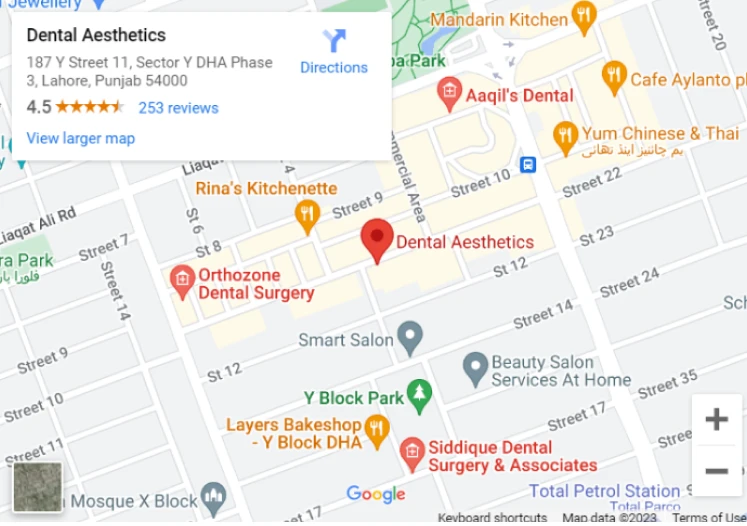
Map
Timings
Monday - Saturday
11:00 am - 9:30pm
Sunday
12:00pm - 8:00pm