What is Diastema? Causes, Types, and Treatment in Pakistan
May 26, 2026
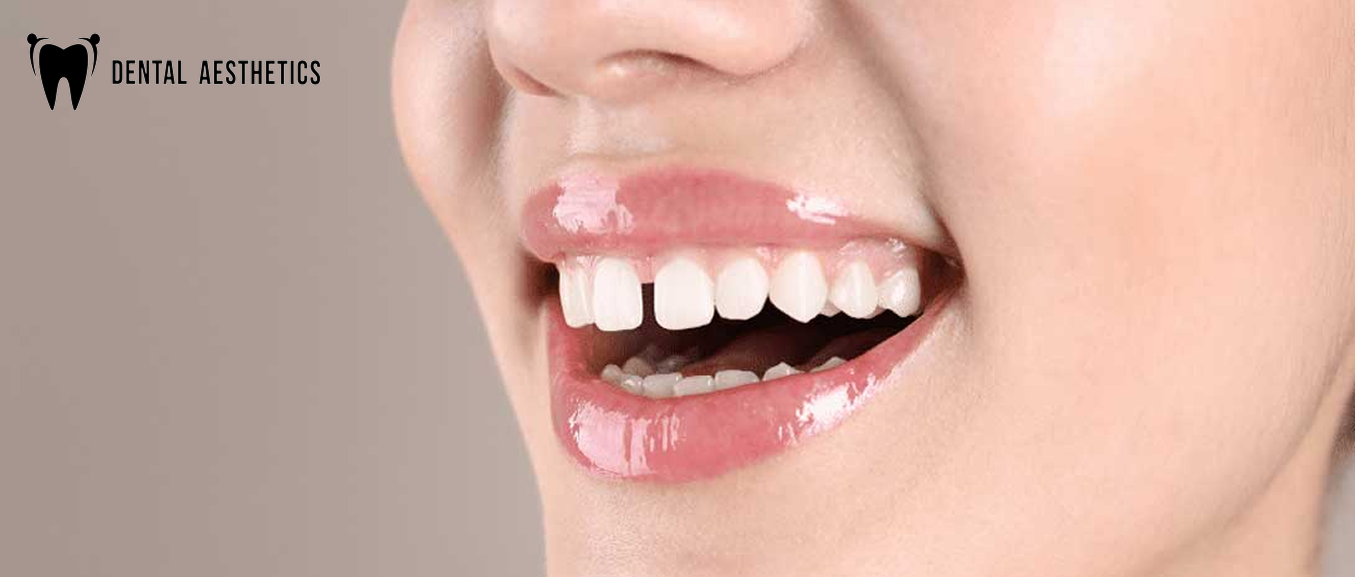
A tooth gap can absolutely transform a smile. For some, this can be a positive distinction, but for others, it can be a cause of insecurity in both social and professional situations. Gaps between teeth are referred to as diastema.
The specific term diastema refers to large enough spaces between two teeth as to be noticeable. While gaps can occur all over the mouth, they are usually seen between the two front teeth. Gaps between the two front teeth are additionally known as midline diastema and maxillary midline diastema (MMD).
In children, the presence of gaps between the teeth can be a result of a growing and changing jaw. Gaps can also occur in adults as a result of genetics, certain diseases of the gums, missing teeth, certain oral habits, and discrepancies between the size of the jaw and teeth. While some gaps can be considered a cosmetic issue, in others, they may be a sign of a dental or gum disease that will require professional intervention.
In Pakistan, many patients have started to seek cosmetic procedures to alter the appearance of their teeth and smiles. Options now include composite bonding, veneers, clear aligners, and braces, all of which make the closure of diastema highly predictable, natural, and a quick, small procedure.
At Dental Aesthetics DHA Lahore, each patient is given a detailed smile assessment. This occurs before any treatment plan is developed, and the gap is analyzed from the cause of the gap, bite, and tooth proportion, as well as the patient’s gum and lip line, and the patient’s facial balance. This is to ensure the best treatment option in terms of stability and effectiveness.
What is Diastema?
A diastema refers to an empty space between two or more teeth. It can occur between:
Two or more upper/lower front teeth
Two or more canine teeth
Multiple teeth in a dental arch
A diastema is commonly referenced with gaps between the front teeth, specifically the upper front teeth. This is because gaps between the upper front teeth are visible during speech and are noticed during smiling.
In Urdu, diastema is referred to as:
“دانتوں کے درمیان خلا”
“سامنے کے دانتوں میں گیپ”
A gap measuring up to 1 mm is not considered severe and usually does not interfere with oral functions. Larger gaps can interfere with functions of speech, and create challenges with an aesthetically pleasing smile. Additionally, larger gaps can cause teeth to shift and lead to periodontal disease.
To gap is not the only factor in treatment planning for a dental diastema. It is also important to take the following into consideration to create a successful treatment plan.
Clinical Variable | Importance in Treatment Planning |
Gap size | Decides cosmetic vs orthodontic treatment |
Gap location | Affects aesthetics |
Patient age | Children may gap resolve themselves |
Cause of spacing | Influences long-term |
Gum and bone health | Critical for cosmetic treatment |
Bite relationship | Essential for orthodontic treatment |
Classification According to Gap Size
Gap Size | Classification | Typical Management |
Under 1 mm | Mild diastema | Monitoring or bonding |
1-2 mm | Moderate diastema | Bonding, veneers, aligners |
2.5 mm or larger | Severe diastema | Braces, surgery, multidisciplinary care |
Types of Diastema
Not all diastemas are created equal. It is important to understand the type and location of the diastema because treatment success will rely on addressing the cause of the diastema.
Midline Diastema
The most common type of diastema is the midline diastema, which occurs between the two upper central incisors.
This condition may have been caused by:
An enlarged labial frenum
Genetics
The absence of lateral incisors
Thumb sucking
Tongue thrusting
A discrepancy in tooth size
A small midline diastema may be seen as attractiveness in some cultures and in some fashion industries. Larger midline diastemas tend to disrupt the harmony of a smile and may widen more over time.
Clinical Features of Maxillary Midline Diastema
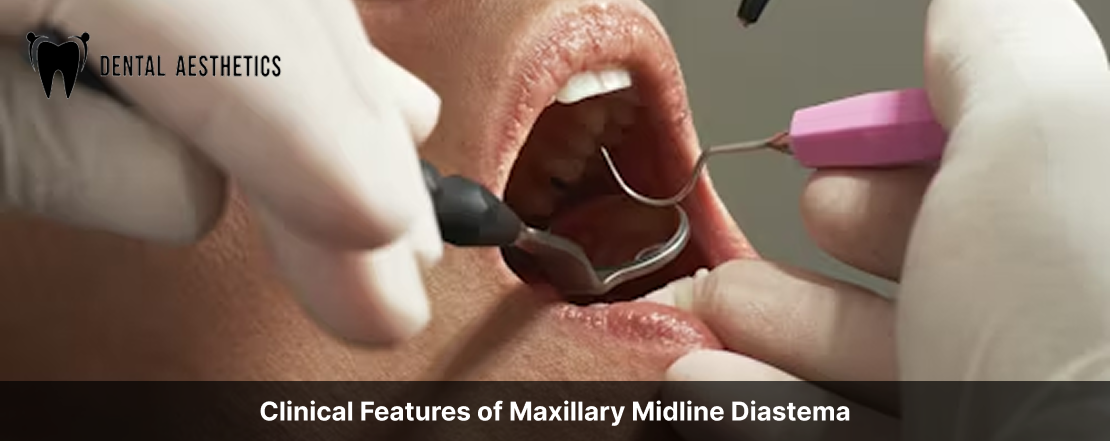
Features | Clinical Significance |
Gap between upper central incisors | The most visible type of midline diastema |
Thick frenum attachment | Usually, a cause of midline diastema |
Family history | Redistributes genetic influence |
Symmetrical midline spacing | It is generally a developmental issue |
Widening | It is a sign of concern |
Mandibular Diastema
A diastema in the mandible is a spacing issue that affects the lower front teeth. It is rare in the mandible but common in the upper teeth in an adult with periodontal disease and bone loss.
In the mandible, spacing tends to get worse over time if the upper teeth remain untreated.
Canine Diastema
Canine diastema refers to the spacing that occurs in the area of the canines. This may result from:
Delayed eruption of the canines
The absence of one or more adjacent teeth
A discrepancy in tooth size
Orthodontic crowding
It is most often necessary to treat the spacing as it adversely affects the overall occlusion and bite.
Physiological Childhood Diastema
A physiological childhood diastema is a normal stage in the development of the occlusion in childhood.
As the jaws develop, a gap may be seen in the early occlusion of the primary teeth to provide an eruption space for the development of the permanent dentition. In the majority of children, it tends to close once the permanent canines are fully erupted.
Parents need to request a dental assessment if:
There is an expanding gap after 12
A prominent frenum is present
Teeth appear irregular
Speech issues arise
Gums are inflamed or bleeding
What Causes Diastema?
The fundamental causes of diastema range from a multitude of causes. Some patients will have one main issue, while others will have several causes occurring simultaneously.
Enlarged Labial Frenum
One of the primary causes of midline diastema is an enlarged labial frenum or superior labial frenulum. The frenum is the thin band of soft tissue connecting the upper lip to the gum tissue above the front teeth.
Dentists apply the blanch test to determine frenum involvement. This test calls for lip retraction to observe blanching or whitening of the tissue between the teeth.
Signs of Pathological Frenum | Clinical Implication |
Thick tissue between teeth | Prevents closure of the teeth |
Positive blanch test | High frenum insertion |
Gaps after braces | High risk of relapse |
Difficulty in flossing | Causes plaque accumulation |
Family history | Genetic tendency |
In these cases, a frenectomy is suggested for enhancing long-term stability.
Genetics and Bolton Discrepancy
The genetic component is strong in diastema. Some individuals are born with relatively smaller teeth in contrast to a bigger jaw.
This discrepancy of tooth width and jaw size relates to the Bolton discrepancy. Inherited spacing leads to:
Relatives with gaps
Spacing in all quadrants
Small teeth
Large arches
Genetic spacing needs cosmetic management either through orthodontics or cosmetic adjustments.
Missing or Undersized Teeth
Loss of teeth always leads to progressive spacing and the formation of diastema.
Causes of tooth loss:
Absence of teeth
Loss by trauma
Loss by surgery
Loss of teeth by extraction
Absence of single lateral teeth
These conical teeth are lateral and create spacing in the anterior teeth. Management can be achieved through orthodontic movement, build-ups, veneers, bridges, and dental implants.
Gum Disease and Periodontitis
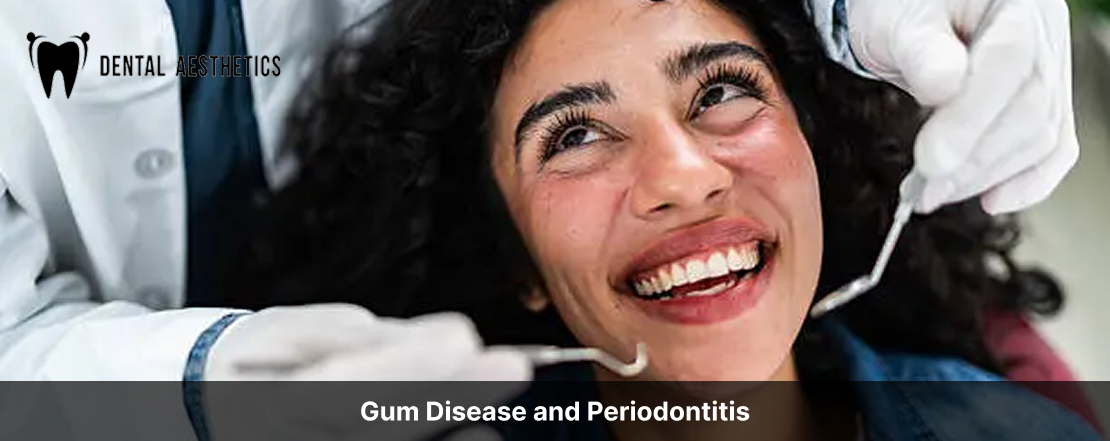
Sudden spacing in adults can be from periodontitis. Progressive periodontitis leads to bone loss to a point of support for the teeth, causing loss of support in the teeth resulting in spacing from the forces of mastication.
Cause | Sign |
Mucosal hemorrhage | Inflamed gums |
Spacing | Tooth migration |
Destruction of the mucosa | Periodontal disease |
Odor formation | Decomposing tissue |
Spacing | Forced retraction |
Breaking the gap prior to managing periodontitis is not advisable.
Childhood Habits
Particular childhood dental habits can create diastema and push teeth apart during development.
These habits include:
Thumb sucking
Frequent tongue activity
Continuous pacifier use
Breathing through the mouth
Some of these habits will change the position of teeth, ultimately causing the spacing of teeth.
Macroglossia
Enlargement of the tongue can also lead to spacing, especially of the anterior teeth. These can be a relapse of orthodontic treatment and instability of the bite.
This condition can cause:
Spacing of the anterior teeth
A relapse of orthodontics
Bite instability
This rare condition needs to be diagnosed for proper and safe long-term treatment of orthodontics.
Are Diastemas Bad?
Not every diastema is bad. There are some that don't even touch oral health and are just gap-tooth. The progressively widened gap can cause several issues.
Issues | Consequence |
Food trapped | Having cavities |
Gap causing plaque | Gums may get inflamed |
Difficulty of speech | Impacts certain enunciation of words |
An imbalance of the bite | Uneven chewing |
Smile dissatisfaction | Reduced confidence |
Tooth migration | Progressive spacing |
The spaced gaps may cause the teeth to move. Any adult who has spaced gaps that appeared may have to undergo a periodontal examination, as it can reveal jawbone loss.
How to Fix Diastema
Thanks to advances in dentistry, diastema closures are easier than ever. The best option will be determined by:
Gap size
Cause of spacing
Age of the patient
Shape of the tooth
Bite alignment
Smile goals
Composite Bonding for Diastema Closure
Composite bonding is known to be the best option for those who maintain a mild and suitable gap for moderate range gap tooth closures.
Composite Resin offers a minimally invasive approach to dentistry where a tooth's natural width, shape, and translucency can be preserved and even improved.
Dental Aesthetics DHA serves as a best practice in the completeness of smile design and dental symmetry for the treatment of teeth without distortion in the width.
Advantages of Composite Bonding
Benefit | Why Patients Prefer It |
Same-day procedure | They can improve their smile at once |
Conservative | No tooth preparation |
Affordable | The cost is less than veneers |
Repairable | Insurances often cover the maintenance |
Natural appearance | Customized shade |
A class IV composite can be used to reshape anterior teeth. Composite bonding is thought to be a preferred choice for young adults, mild to moderate gaps, and clients who want less of an expense for diastema closure.
Composite bonding is ideal for:
Mild to moderate gaps
Young Adults
Budget-conscious patrons
Patients wanting a reversible treatment
Dental Veneers for Diastema Closure

Dental veneers are thin shells bonded to the front surfaces of teeth. These options are for those patients who want to improve the following issues:
Spacing of teeth
Discoloration of teeth
Teeth of irregular outline
Teeth that are chipped
Asymmetry of the smile
Types of Veneers
Veneer Type | Cost in Pakistan | Longevity |
Composite veneers | PKR 12,000-35,000 per tooth | 4-7 years |
Porcelain veneers | PKR 35,000-90,000 per tooth | 10-15 years |
Porcelain veneers are the most popular choice in smile makeovers because of the superior aesthetics, durability, and resistance to staining that porcelain veneers provide.
Braces and Orthodontics for Diastema
In cases of moderate to severe diastema, an orthodontic approach is often the most effective treatment, especially if correction of the bite is also needed.
Unlike bonding or veneers, braces are the only option that physically moves teeth to the desired position.
Orthodontic Treatment Options
Treatment | Best For | Treatment Time |
Metal braces | Large gaps | 12-18 months |
Ceramic braces | Aesthetic treatment | 12-18 months |
Limited braces | Mild spacing | 6-12 months |
2x4 mechanics | Children | 4-9 months |
2x4 mechanics is often used in children to direct eruption and correct spacing issues as they are developing.
Orthodontics is suggested when:
Several spaces are present
Teeth are positioned irregularly
There are issues with the bite
Jaw imbalance causes spacing issues
Clear Aligners for Diastema
Clear aligners are transparent, removable trays that are used for the gradual repositioning of teeth. They are preferred by adult professionals for their discretion and comfort.
Advantages of Clear Aligners
Almost invisible
Removable for meals
Simpler oral hygiene
More comfortable than braces
Digitally designed treatment
In Pakistan, the cost of clear aligner therapy usually ranges from PKR 250,000 to 500,000 according to the level of difficulty presented.
Frenectomy for Diastema
A frenectomy is a minor surgical procedure performed when a thick labial frenum is the cause of the spacing. To keep the gap from reopening, the abnormal tissue attachment (frenum) is either repositioned or removed.
In many cases, orthodontic treatment is still needed after surgery as closure of the gap does not happen automatically after the frenum is removed.
Crowns and Implants
When missing teeth are the cause of diastema, restorative treatment may include:
Bridges
Dental implants
Restoration of the teeth and the ability to chew is improved along with the aesthetics of the smile.
Diastema Treatment Cost in Pakistan
The cost of treatment is determined by:
Number of teeth involved
Type of procedure
Quality of the materials used
Complexity of the orthodontic work
Need for surgery
Estimated Cost for Diastema Treatment
The estimated cost for the following treatment procedures is:
Procedure | Estimate Cost |
Composite bonding | PKR 5,000-20,000 |
Composite veneers | PKR 12,000-35,000 |
Porcelain veneers | PKR 35,000-90,000 |
Metal braces | PKR 50,000-150,000 |
Clear aligners | PKR 250,000-500,000 |
Frenectomy | Case dependent |
At Dental Aesthetics DHA Lahore, treatment plans are individualized based on clinical assessment and the aesthetic objectives of each patient.
How Long Does Diastema Treatment Take?
The length of time to treat diastema is dependent on the procedure chosen and the complexity of the spacing.
Composite bonding: 1 visit
Veneers: 1-2 weeks
Frenectomy: 30-45 minutes
Minor Orthodontics: 6-9 months
Full Braces: 12-18 months
Clear aligners: 6-18 months
Many patients prefer bonding or veneers to enhance their appearance instantly, while orthodontics is more comprehensive.
Will Diastema Return?
Relapse is the greatest concern following diastema closure. If the cause is not resolved, the gap is likely to reopen.
Causes | Results |
No retainer | Teeth drift apart |
Untreated frenum | Gap reopens |
Tongue thrusting | Continued pressure |
Gum disease | Tooth migration |
Retention is critical to maintaining orthodontic results and is an essential part of your orthodontic care after braces and aligners.
Many patients will need both orthodontic treatment and a frenectomy to achieve stable long-term closure of the spacing.
Famous People with Diastema
There are a number of celebrities who are famous for having embraced their natural diastema.
Some of these celebrities include:
Madonna
Michael Strahan
Lara Stone
In some cultures, a gap in the front teeth can be attractive, lucky, and/or distinctive. Closing of a diastema is an individual choice that may be based on aesthetics, confidence, and/or oral health.
Conclusion
A diastema can either be harmless and a cosmetic choice or can be a sign of an undiagnosed dental concern that may warrant the need for professional care. An accurate diagnosis is critical to the selection of the ideal solution, as every case is distinct.
At Dental Aesthetics DHA Lahore, our patients have access to a full suite of enhanced cosmetic and orthodontic services, including composite bonding and veneers, as well as clear aligners, metal braces, and frenectomy surgery.
Whether you are in the market for a same-day cosmetic service or a complete orthodontic makeover, a consultation with Dr. Shahzad Mirza can help you achieve diastema closure that is quick, natural-looking, and long-lasting, with a personalized smile plan.
Frequently Asked Questions
Q. What is a diastema?
The word diastema is used in dentistry to indicate a space or gap in a row of teeth. Most commonly, diastema refers to gaps between the two upper front teeth. The gap can be found in kids as well as adults. There are many reasons that lead to diastema; these include genetic reasons, periodontal disease, size discrepancies in teeth, and tooth habits. Many people may recommend diastema as a gap in the teeth, and others may want to get the gap closed in order to improve the function of their teeth and the appearance of their smile.
Q. What does diastema mean in Urdu?
In Urdu, diastema is usually translated to “دانتوں کے درمیان خلا” or “سامنے کے دانتوں میں گیپ”. This means spacing of teeth, especially front teeth. Many of the patients I have worked with in Pakistan use the expression “front teeth gap” or “daanton mein gap” when explaining their condition to a practicing dentist.
Q. Is a diastema bad for oral health?
A small diastema is usually not bad for a person’s health and can be a normal healthy teeth condition. A large diastema can lead to health problems. A large diastema can lead to teeth problems, such as speech problems, and lead to a bad hygiene situation for that person. For an adult, having a gap that has not always been there is a sign that the person may be suffering from a periodontal disease that is associated with a loss of supporting bone.
Q. What causes a gap between the front teeth?
There are many causes that lead to the presence of a gap in the front teeth. These include genetics, missing teeth, an enlarged labial frenum, and childhood habits such as finger sucking or tongue thrusting. In some people, the teeth are small in size, and the jaw is large, and they may also be missing teeth, leading to gaps. Making the correct and proper diagnosis is crucial for the gap closure, as that is the reason for the condition.
Q. Is diastema hereditary?
Yes, genetics is involved in some cases with diastema. For example, some people may have larger jaws or smaller teeth leading to larger spacing between the teeth. There is a stronger chance of having a hereditary diastema if other family members (either parents/siblings) have similar gaps.
Q. Can diastema close on its own?
A physiological childhood diastema nearly always closes on its own, with the eruption of the permanent teeth, especially the upper canines. For adults, gaps will not close on their own with no treatment provided. When the gap is caused by a thick frenum or a dental/occlusal discrepancy, it is best to have this treated by a dental professional.
Q. What is the blanch test for diastema?
The blanch test is a technique done to assess a thick labial frenum in a case of a midline diastema. As a part of the procedure, the dentist will retract the upper lip and examine the area between the anterior teeth for a blanching/whitening. If a blanch test is positive, it is usually due to an abnormal attachment of the frenum.
Q. Can a thick frenum cause diastema?
Yes, a thick or low-attached superior labial frenulum can prevent the front teeth from naturally closing together. In some cases, the gap may reopen even after braces if the frenum is not treated. A frenectomy may be recommended to improve long-term stability.
Q. What are the cheapest options for diastema treatment in Pakistan?
In Pakistan, the most accessible treatment option for caring for mild to moderate forms of diastema, including gap teeth, is usually composite bonding. This involves the application of gum-colored, tooth-colored composite resin to gaps. As the procedure is non-invasive, requiring no significant drilling, the treatment is in-demand for such cosmetic improvements.
Q. What is the length of the treatment to close diastema?
The choice of treatment determines the duration, along with the extent of the gap. In many cases, composite bonding takes a maximum of a single appointment, while porcelain veneers may take one or two weeks to set. Braces, including clear aligners, take approximately 6 months, while treatment of 18 months may be expected.
Q. Should I prefer braces or bonding treatment to close diastema?
Composite bonding tends to be an excellent choice for small gaps. However, if there is a clustering of gaps, or a concern with the bite, treatment of this extent requires the use of braces or clear aligners, which also tend to be more suitable. A clinical dental consultation will assist in the selection with the best anticipated outcome.
Q. Is it common for diastema closure to be a painful treatment?
In reality, the procedures for treatment of diastema tend to be minimally invasive. As such, they are expected to be painless, with the composite bonding requiring no local anesthesia. In the case of other orthodontic treatments, some patients may report mild discomfort due to the orthodontic wires and braces, while others may experience discomfort for a maximum of 3 days. Local anesthesia is also used to assist with pain control for surgical procedures such as frenectomies.
Q. Does diastema return despite treatment?
Yes. Relapse occurs when the underlying issue is not dealt with, nor are retainers used after treatment. Many gaps caused by thick frenulum or tongue thrusts commonly relapse. Keeping a gap is manageable with long-term retention and follow-up care.
Q. Could diastema mean gum disease?
Yes. In adults, if a diastema appears or enlarges, it could mean gum disease or periodontitis. Teeth can gradually drift apart, causing bone loss. It is imperative to see a dentist if there is bleeding, loose teeth, or halitosis.
Q. Is a diastema in children common?
Yes. Gaps in teeth is common during the growth of the jaw and the eruption of permanent teeth. In the eruption of the canines, the diastema is usually closed.
Q. Who are the celebrities with diastema?
There are many celebrities with natural tooth gaps. Madonna, Michael Strahan, and Lara Stone are all patients with gaps. In some cultures, natural gaps are considered beautiful and healthy, instead of a deformity.



Request An Appointment
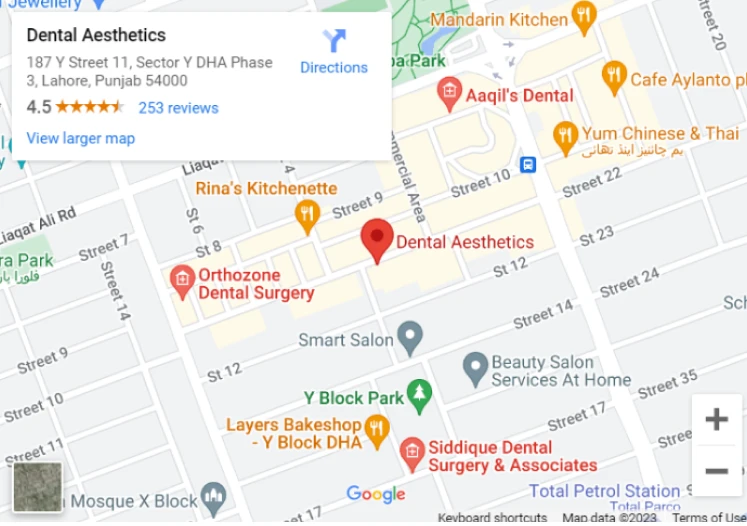
Map
Timings
Monday - Saturday
11:00 am - 9:30pm
Sunday
12:00pm - 8:00pm