


What is Overjet (Buck Teeth)? Causes, Symptoms & Treatment Options
March 4, 2026
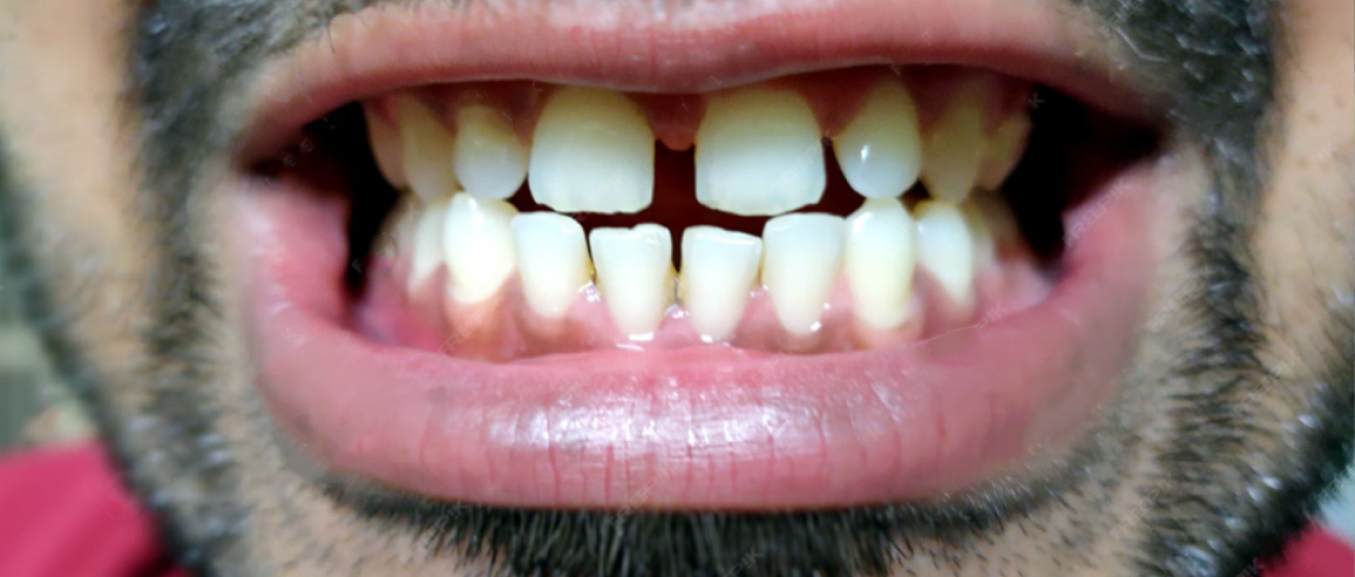
A confident smile is a great asset; dental irregularities can undermine it. Among the most common orthodontic concerns for patients in Pakistan is the horizontal protrusion of the upper front teeth, which we colloquially refer to as "buck teeth." The reality of this condition, however, is much more complicated than simple aesthetics. Excessively protruding upper front teeth can also adversely affect the patient's overall oral function.
It is important to recognise the functional impact of this condition, as well as its aesthetic aspects. Buck teeth can affect the way we speak, eat, breathe, and our long-term oral health; therefore, it is important to look beyond the surface (the smile) to the skeletal and dental structures that support it when determining what overjet is.
This guide will provide a detailed description of the definition, causes, risks, and modern treatment options for patients with overjet, so they can have a roadmap for correcting their bite and returning to smiling. At Dental Aesthetics, we use precision diagnostics to create a personalized treatment plan to transform your smile.
What is Overjet? (Clinical Definition)
To determine the need for treatment of your overjet, we must first accurately define the condition. Overjet is a type of dental malocclusion characterised by excessive horizontal protrusion of the upper front teeth relative to the lower front teeth. The clinically acceptable value of a normal overjet is 2-3 mm. Anything beyond that is considered excessive and may require treatment. The condition is also commonly referred to as "buck teeth."
During your initial consultation at Dental Aesthetics, your orthodontist will carefully measure the following:
- Horizontal distance between your upper and lower front teeth (Overjet)
- Teeth sticking out too far (over 4 millimeters)
- Unable to close the lips completely
This is not just about having a lot of teeth sticking out, but the actual relationship between the top and bottom teeth in a person's mouth.
Overbite versus Overjet: Making it Clear to Patients
There is a lot of confusion among patients about overjets and overbites, and about the differences between the two. Even though these terms are often used interchangeably, they mean two separate things in terms of the way your teeth fit together.
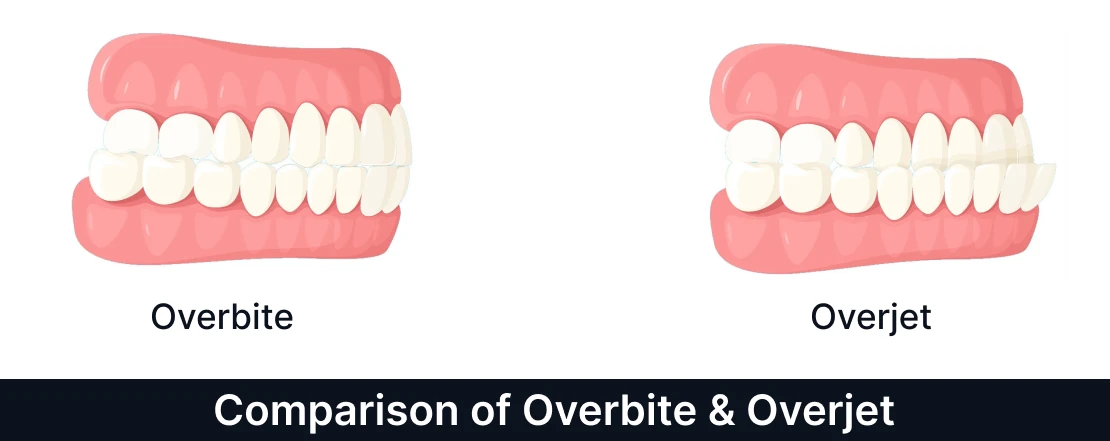
Overjet: is the measurement of how far the upper teeth extend in front of the lower teeth; this is the distance in the horizontal direction.
Overbite: is the amount of overlap that occurs in the vertical direction between the upper and lower teeth; this would describe how much of the upper front teeth cover the lower front teeth when the person's mouth is completely closed.
Comparison of Overbite & Overjet
| Classification | Overjet (Buck Teeth) | Overbite (Deep Bite) |
|---|---|---|
| Direction | A horizontal (outward) projection of the upper teeth | A downward (vertical) projection of the upper teeth over the lower teeth |
| Visual Sign | Upper teeth protruding out ("buck"), and there is a space between the upper and lower teeth when biting together | The lower teeth will either not be visible or partially concealed when biting together because the upper teeth cover them |
| Common Causes | Thumb sucking, tongue thrusting, and a small jaw | Genetics, teeth grinding, and missing back teeth |
| Treatment Focus | Retracting of upper teeth and/or advancing lower teeth for the purpose of aligning the teeth properly | Aligning the teeth (braces, aligners) through the opening of the bite so that there is minimal vertical overlap |
As a general rule, overjet is sticking out at an angle, and overbite is having an angle of coverage. Though every patient's situation may involve both, there are two (or, when combined, sometimes more than two) mechanical processes that need to be handled appropriately. At Dental Aesthetics, we take time to review our findings to help you understand exactly which type of overbite is causing the overjet, and therefore treat the specific type of overjet.
Dental Overjet vs. Skeletal Overjet
When patients come to us for a solution to their buck teeth, the first thing we do is to determine the cause of that problem. Determining whether the overjet is a dental or skeletal problem is the most important component in developing a treatment plan for the patient.
Dental Overjet
A dental overjet results from teeth being positioned incorrectly in an otherwise properly aligned skeletal structure. Upper front teeth are generally tipped forward, and an environmental factor is the cause. Because the skeletal structure is fully developed and properly supported, dental overjet cases respond well to treatment with braces or aligners.
Sketal Overjet
A skeletal overjet is a genetic defect and affects the growth and/or positioning of the jaw bones. Typically, the maxilla may be positioned too far forward relative to the mandible, or the mandible may be underdeveloped. Treatment of this condition will require a comprehensive approach, such as functional appliances (orthodontic braces) for children or orthognathic surgery for adults.
How do you Diagnose Overjet?
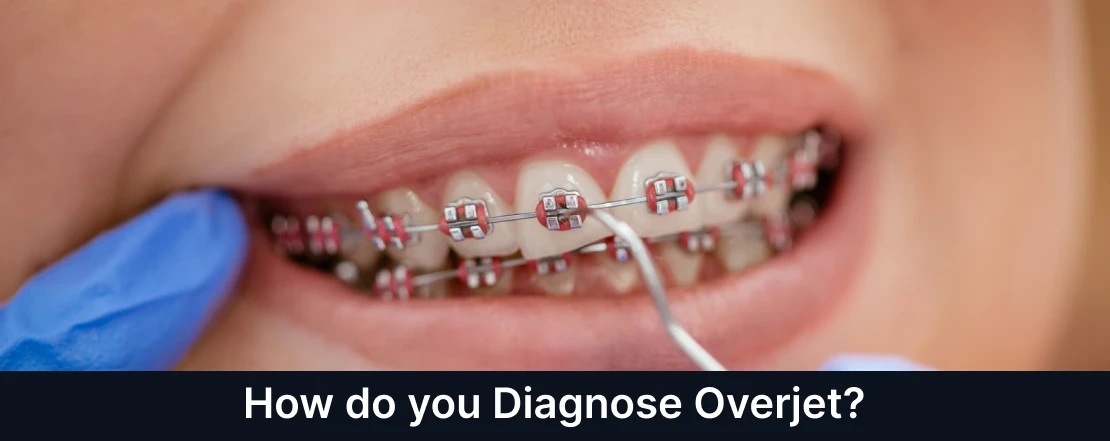
At Dental Aesthetics, our diagnostic process goes well beyond simple visual examination. Our goal is to provide you with accurate treatment for your buck teeth using our scientifically based diagnostic approach.
Our initial step in diagnosing an overjet is to perform a clinical examination to measure the horizontal distance. To determine whether the overjet has a dental or skeletal cause, we obtain a lateral cephalogram and perform a cephalometric analysis. This x-ray of the side of the head allows our orthodontists to measure the angles of the teeth and jaws relative to the skull, thus confirming whether the overjet is due to tilted teeth or jaw misalignment. Therefore, we can provide a biologically accurate treatment plan.
Differentiations in Diagnosis about Overjet: Dental and skeletal relationships
| Characteristic | Dental Overjet | Skeletal Overjet |
|---|---|---|
| Direct Cause | Habits (thumb sucking, tongue thrusting) | Inherited jaw size discrepancy |
| Jaw Position | Normal jaw with normal relationship | Abnormal jaw with recessed lower jaw or protruded upper jaw |
| Tooth Angle | Upper incisors are tilted significantly forward | Incisor angle may be normal; the bone base is misaligned |
| Profile Appearance | Nose & chin are balanced, teeth only protruding | Nose & chin are not balanced, and the chin appears "weak", or receding lower face |
| Treatment Plan | Braces or clear aligners | Functional appliances (for children) or surgery (for adults) |
What Are The Causes Of Buck Teeth?
A combination of genetic predisposition and environmental factors causes overjet development. Identifying the specific cause(s) of overjet development is critical to avoiding future recurrence after treatment.
Genetic Considerations
The size and shape of your jaws are determined by heredity. For example, if a parent has a smaller lower jaw, their child may inherit the same tendency toward a smaller jaw. This genetic pattern is the primary factor involved with skeletal discrepancies.
Myofunctional Habits
Habits developed during childhood create large forces on your developing teeth. Prolonged thumb sucking or pacifier use will act like a lever, pushing the upper incisors forward and causing them to become protruded over time. Likewise, an abnormal swallow pattern (known as tongue thrusting), in which the tongue protrudes against and pushes the anterior teeth, can also allow the anterior teeth to migrate forward over time.
Mouth Breathing
Mouth breathing has a dual role; it can both be an impact factor and a cause of developmental discrepancy. The habit of chronic mouth breathing often creates an environment in which the tongue sits low in the mouth, narrowing the upper arch and flaring the teeth. In addition, a severe overjet can cause the lips to become "incompetent," meaning they cannot comfortably close over the protruding anterior teeth. This lip incompetency leads to continued mouth breathing due to inadequate closure over the front teeth.
Impacted Teeth
Impacted teeth can push the adjacent teeth forward, further flaring the anterior teeth. Dental Aesthetics uses your X-ray analysis to identify impacted teeth and develop an all-inclusive treatment plan to determine whether orthodontic braces, clear aligners or surgery would be required.
Symptoms and Risks of Untreated Overjet
Excessive overjet can have long-term effects on one's overall health and well-being. It is important to note that problems related to excessive overjet are not limited to aesthetic concerns associated with protruding teeth. There are numerous other health-related implications and risks arising from untreated excessive overjet.
| Symptoms/Risk | Explanation |
|---|---|
| Trauma/Injury | The protrusion of anterior teeth creates the 'first area of impact.' Children with untreated excessive overjet are at a much greater risk of sustaining fractures to the anterior teeth as a result of falling or playing sports. |
| TMJ Disorder | An improper occlusion creates a compensation for the position of the jaw and jaw muscles, therefore creating strain on the TMJ (Temporomandibular Joint). Strain on the TMJ can lead to chronic jaw pain, TMJ clicking, and chronic headaches. |
| Sleep Apnea | Often, with a skeletal overjet, the recessive position of the lower jaw reduces airway space and can contribute significantly to obstructive sleep apnea. By repositioning the jaw, we can improve airway space and restore the quality of your sleep. |
| Enamel Erosion | Misaligned teeth will touch each other in ways that aren't natural and can lead to early erosion of the enamel and increased sensitivity. |
What Are the Treatment Options for Buck Teeth?
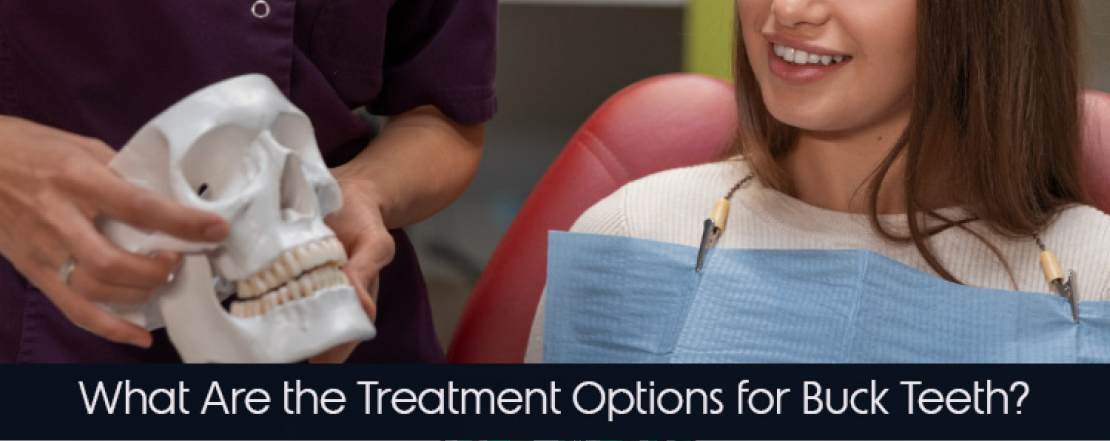
There are several different ways to fix buck teeth. The treatment for an overjet will depend on its severity, the patient's age, and the cause.
Orthodontic Braces
Traditional metal braces and ceramic braces will successfully fix an overjet. The brackets and wires are utilised to apply forces to retract the upper teeth and align them into the arch. As such, both traditional metal and ceramic braces are excellent treatment options for patients of any age.
Clear Aligners
Clear aligners are a suitable option for adults who want a discreet solution. These aligners are very effective in treating mild to moderate dental overjet. Dental Aesthetics uses modern scanning technologies to build custom aligners that will gradually move your teeth.
Functional Appliances
Functional appliances like the Twin Block or Herbst appliance are generally preferred for treating buck teeth in children. These devices use the child's natural growth to help develop the lower jaw and correct the skeletal discrepancy without requiring surgery.
Orthognathic Surgery
If the skeletal discrepancy in adults is severe, surgery is usually necessary to properly reposition the jaws. Orthognathic Surgery will provide the patient with a functional bite and a balanced facial profile.
Overjet Treatment Available in Pakistan
There is a wide variety of high-quality orthodontic treatment options available to patients in Pakistan for treating their overjet. Patients in Pakistan will have access to modern diagnostic equipment and new orthodontic technologies.
Those who need treatment for buck teeth can find that Lahore contains many of the best practitioners in Pakistan. Treatments for buck teeth are also on the rise in Karachi and Islamabad. Still, Dental Aesthetics, located in Lahore, has advanced technology compared to most other facilities.
Alternative Options for Fixing Overjet
One question many patients ask is whether there is an option to correct an overjet without braces. While orthodontic treatment is generally considered the gold standard for treating overjet, patients may use cosmetic dentistry, such as dental veneers or dental bonding, to mask the appearance of protruding teeth. It is important to note that these treatments are purely cosmetic and do not address any underlying issues with tooth position or the functional bite. These treatments are primarily reserved for adult patients with mild concerns about their overjet who are not appropriate candidates for orthodontics.
Conclusion
Since excessive overjet or buck teeth are on the continuum between dentistry and health, their effect is huge. The design of your smile is based on aesthetics, while the condition of your jaws creates issues like TMJ disorder as well, so the negative consequences of this malocclusion are far-reaching. But thanks to new technologies and an increasing number of treatment options, getting the treatment you need is now possible.
The first step in addressing your excessive overjet/ buck teeth is to recognize that there is an issue; the second step is to take action. If you want to learn about your options for creating a more balanced, healthier smile and boosting your confidence, contact us at Dental Aesthetics today! We will assist you in creating a new smile that reflects your personality and in improving and projecting your self-esteem!
Frequently Asked Questions (FAQs) about Overjet (Buck Teeth)
Q. What is a "normal" overjet?
Typically, a normal overjet is between 2 and 3 mm; anything beyond this is considered excessive. Anything that extends past this is considered excessive and may require a permanent, denture-like appliance to address functional problems.
Q. Can an overjet self-correct?
There is no way for an Overjet to correct itself on its own. Although early treatment should help, you would still need active orthodontic treatment to realign the teeth.
Q. Is orthodontic treatment painful?
Orthodontic treatment involves applying pressure to the teeth to move them. You may experience temporary soreness after your teeth are adjusted. But this is a transitory and manageable issue.
Q. What is the best time to treat an overjet?
The best time for a child to be treated for an Overjet with a permanent, denture-like appliance is between 7 and 12 years of age, when jaw growth is still occurring. However, there are often excellent results for adults as well with braces or clear aligners.
Q. How long does buck teeth treatment take?
The treatment time frame varies based on the method. Functional appliances used to treat an Overjet in a child typically require 9 to 18 months, while adults treated with either braces or clear aligners typically take 18 to 24 months.
Q. Can clear aligners correct a severe overjet?
Clear aligners work well for mild to moderate overjet, but will not work well for severe skeletal Overjet. In severe cases of an Overjet, braces or surgical treatment should yield the best result.
Q. What happens if I don't treat my buck teeth?
Some issues that could arise from having an untreated overjet are tooth trauma, TMJ disorder, difficulties with verbal articulation, and ultimately, sleep apnea. Therefore, if you are searching for an overjet solution in Pakistan or elsewhere, the sooner you find it, the better.
Share:






Request An Appointment
Map
Timings
Monday - Saturday
11:00 am - 9:30pm
Sunday
12:00pm - 8:00pm