


Bruxism (Teeth Grinding) in Lahore: Causes, Symptoms & Treatment with Night Guards
July 3, 2026
Many people are unaware that they grind their teeth at night. Approximately 80% of bruxism cases are silent. The grinding noises are often first heard by a sleeper partner. Patients often discover bruxism only after they have experienced tooth damage, jaw pain, or chronic headaches due to the slow development of symptoms.
Bruxism, or دانت پیسنا (Daant Peesna) in Urdu, can occur during the waking day or the sleeping night. Though it may seem harmless at first, frequent grinding and clenching can become damaging to tooth enamel, the jaw muscles, and the temporomandibular joint (TMJ).
Bruxism is one of the most prevalent parafunctional oral habits in the world, with a 22.22% occurrence rate globally and equal presence in males and females, per a 2024 NCBI meta-analysis. It often remains undiagnosed for years.
In this article, we will discuss bruxism in detail, including its causes, effects, diagnosis, and treatment options. We will include bruxism night guard use, bruxism in Urdu, bruxism in children, and advanced treatment options in Lahore from the best dental clinics, such as Dental Aesthetics.
What Is Bruxism? (Bruxism Meaning & Bruxism Meaning in Urdu)
Bruxism is the unintentional grinding or clenching of the teeth and jaw muscles. It may or may not occur during sleep and can damage teeth and create pain when it is a severe and frequent occurrence. Bruxism is the repeated use of jaws caused by the grinding or clenching of teeth, and in Urdu, it is referred to as دانت پیسنا (Daant Peesna).
These are the two forms of bruxism;
Type | Description | Common Association |
Sleep Bruxism | Grinding or clenching that occurs during sleep | Micro-arousals and sleep disorders |
Awake Bruxism | Clenching that occurs in the waking hours | Stress, anxiety, and difficulty concentrating |
Also known as nocturnal bruxism, sleep bruxism occurs during the night, and as the term suggests, it occurs without the individual’s knowledge. It is found to be associated with brief disruptions to sleep and activation of the autonomic nervous system. According to StatPearls (NCBI), sleep bruxism occurs in 8 to 10% of the adult population.
Bruxism that is performed while the person is awake is mainly associated with periods of stress, anxiety, and emotional tension. It is said that awake bruxism occurs in 22.1% to 31% of the adult population.
Bruxism has become a silent disorder, as it has remained undetected by victims who are unaware of the habits of clenching and grinding their teeth. By the time it is diagnosed, the victim is likely to suffer damage to their teeth.
Bruxism Usage Prevalence
Bruxism Type | Population Prevalence |
Bruxism | 22.22% |
Sleep Bruxism | 21% |
Awake Bruxism | 23% |
Adults (Sleep Bruxism) | 8 - 10% |
Children | 14 - 20% |
What Causes Bruxism? (Bruxism Causes)
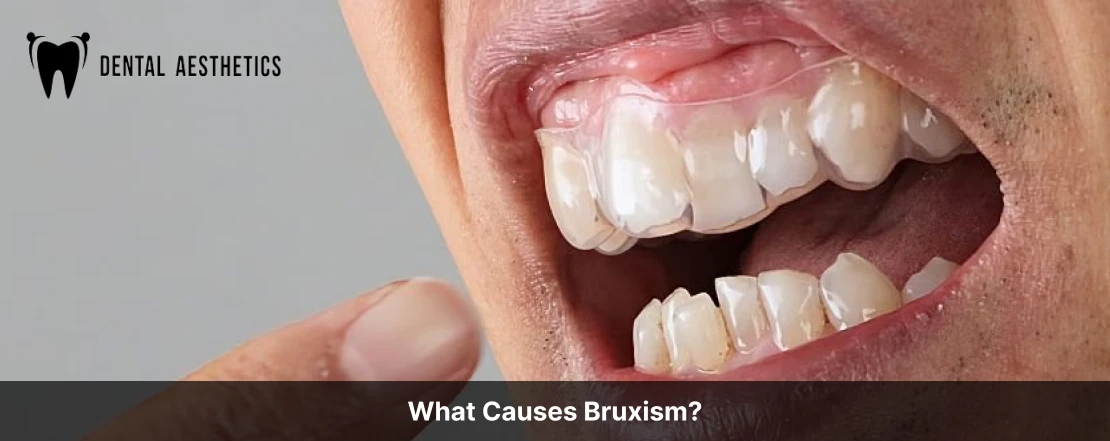
As it currently stands, there are no known causes of bruxism. Modern medicine has failed to define a single, universally accepted cause. There are, however, numerous factors that contribute to the onset of bruxism. Some of the factors include psychological, neurological, sleep and other lifestyle factors, and some have a genetic component.
Bruxism was long thought to be solely stress-related. According to studies conducted on the correlation between stress and bruxism, bruxism occurs more in the awake state. It is clear to see that the correlation is a strong one; however, this is simply a small part
Causes of Bruxism
Factor | How It Contributes |
Stress and Anxiety | The activity of the jaw muscles increases |
Sleep Disorders | Disturbance of sleep and sleep apnea |
Genetics | Family history increases the likelihood |
Medications | Some types of SSRI cause bruxism |
Caffeine | May increase muscle activity |
Tobacco Use | Associated with a higher prevalence |
Alcohol | Can worsen sleep bruxism |
Risk factors among the bruxism population include genetics. There is some evidence considering genetics, as researchers report that 20-50% of those who brux while sleeping have close relatives (up to the first-degree level) who also brux.
In bruxism (especially sleep bruxism), sleep-related factors are important. Obstructive sleep apnea may result in grinding due to micro-arousals repeatedly disrupting sleep.
Bruxism and some sleep disorders are thought to involve the same bruxism pathways. Some of the antidepressants, and especially the SSRIs, are thought to cause bruxism, which is likely due to the effect on sleep.
For many bruxism-causing professionals in Lahore, prolonged working stress, along with irregular sleep, combined with increased caffeine, is a likely cause of bruxism, but a detailed assessment should be made for each patient.
Symptoms of Bruxism (Bruxism Symptoms, Bruxism Jaw & Bruxism Headache)
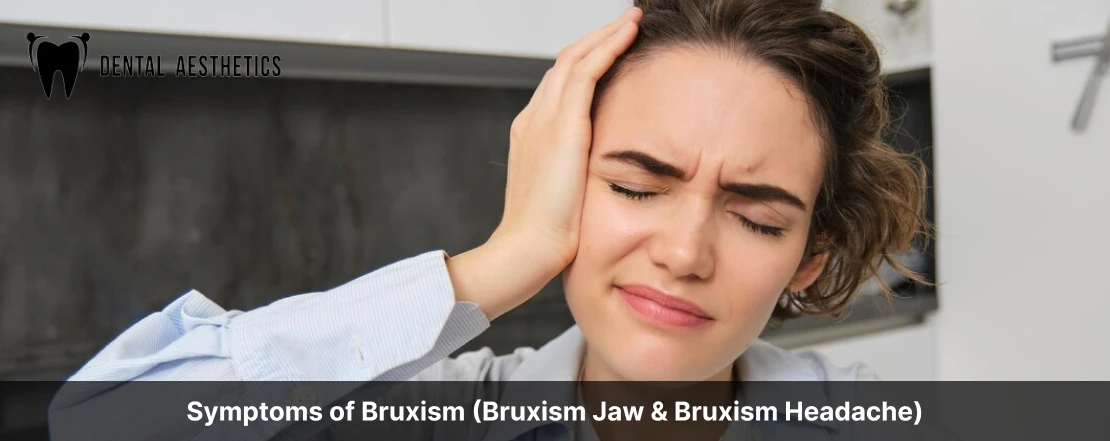
The symptoms of bruxism include a worn malocclusion, headache upon waking, and restricted jaw movement. Symptoms also depend on the intensity of grinding. Grinding bruxism activity recruits the strongest muscle in the body, the masseter, and excessive use leads to jaw fatigue.
Bruxism Symptoms
Symptoms | Reasoning |
Teeth that are worn or flattened | Grinding wears down enamel |
Cracked teeth | Grinding leads to excessive force |
Increased tooth sensitivity | Underlying tooth structures become exposed |
Sore jaw muscles | Jaw muscles become overworked |
Headaches in the morning | Muscle tension is concentrated at the temples |
Ear pain | TMJ pain that is referred |
Fatigue of the face | Muscles of the face are constantly active |
Inability to Sleep | Grinding frequently interrupts sleep |
Bruxism headaches are typically dull and concentrated at the temples. Since grinding affects the temporalis and masseter muscles, headaches of the tension type are the most common. Jaw symptoms in bruxism are a combination of soreness, a limited range of motion, stiffness, and TMJ clicking.
Bruxism can produce the following effects:
Damage to the inner cheeks
Indentations on the sides of the tongue
Increased tooth mobility
Tightness in facial muscles
Decreased quality of sleep
TMJ can present the same symptoms. Only a dental professional can make an accurate diagnosis.
What Happens If Bruxism Is Left Untreated?
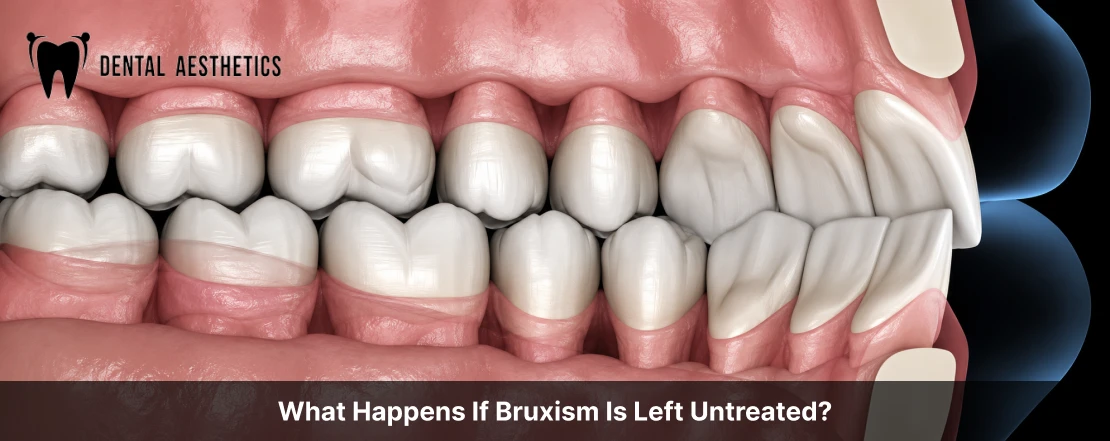
Bruxism can cause irreversible dental damage and a decline in jaw, facial, and dental health. Grinding has an extensive effect on quality of life. The continued grinding affects bruxism’s most prominent target first, tooth enamel.
Consequences of Untreated Bruxism
Affected Area | Potential Damage |
Tooth Enamel | Progressive wear |
Teeth | Fractures and chipping |
Dental Pulp | Exposure requiring root canal treatment |
TMJ | Pain, clicking, dysfunction |
Muscles | Chronic soreness |
Sleep | Reduced sleep quality |
As tooth enamel wears, teeth become more sensitive to stimuli. Teeth can become more sensitive to hot, cold, and sweet. The worst cases require root canals. These cases can be due to the grinding of teeth, exposing the dental pulp.
Bruxism and grinding of teeth can result in a very painful disorder called temporomandibular disorder (TMD). TMD can result in the temporomandibular joint of the jaw becoming very painful and almost completely immobile. The jaw can make clicking noises, and painful facial symptoms can occur.
The damage that bruxism causes can be serious and very expensive to repair. It is always better to treat this condition early on.
How Is Bruxism Diagnosed?
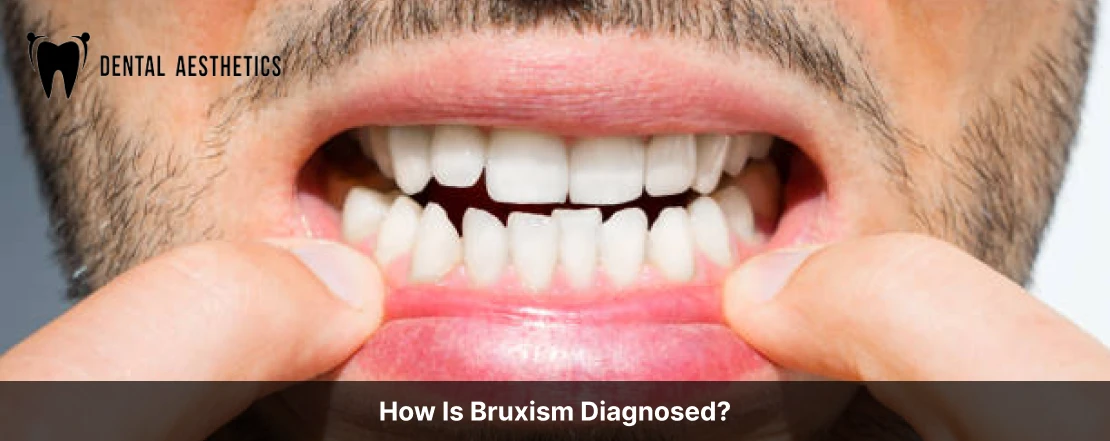
Bruxism has a few signs and symptoms that can be identified through a physical examination. One sign is the distinctive wear patterns of teeth. The dentist will usually spot the bruxism before the patient.
During your examination, your dentist may look for:
Flattened tooth surfaces
Chipped enamel
Tooth sensitivity
Enlarged masseter muscles
Jaw tenderness
TMJ symptoms
Patients usually will say if their family members or spouse heard them grinding their teeth in their sleep. In some instances, the patient may need to be referred to a sleep study to assess for sleep apnea.
Dental Aesthetics DHA in Lahore provides a full and thorough assessment that will evaluate the grinding, the damage, and provide the best treatment options.
What Are The Options For Bruxism Treatment? (Bruxism Treatment, Bruxism Management & Bruxism Cure)
The treatment aims to protect the teeth, reduce the symptoms, and manage the factors that contribute to the condition. A complete cure for bruxism does not currently exist, and for a good reason, it's a multi-faceted condition.
The most common question bruxism patients ask is: what is the best way to manage bruxism? The answer is: it depends, as it is common for patients to need to rely on a combination of methods for successful bruxism management.
1. Bruxism Night Guard (Primary Treatment)
The dental night guard is by far the most common bruxism treatment. The appliance creates a barrier between the upper and lower teeth so that they do not touch when bruxism occurs. This significantly reduces the wear and tear on the dental enamel, the fracturing of the teeth as a result, and the overstrain of the jaw joints. Patients of bruxism sometimes confuse a mouth guard with a custom dental night guard.
Custom Night Guard vs. Over the Counter Dental Night Guard
Feature | Custom Night Guard | Store Bought Guard |
Fit | Custom | Generic |
Comfort | More | Variable |
Protection | Superior | Limited |
Durability | Custom | Variable |
Professional Monitoring | Yes | No |
A bruxism night guard treats bruxism, and in the absence of a cure, it protects teeth from damage.
2. Stress Management
Bruxism is a directly stress-related condition. Stress management techniques can prove helpful for awake bruxism. Stress management techniques may include:
Better sleep patterns
Routine exercise
Mindfulness practices
Relaxation techniques
3. Cognitive Behavioural Therapy (CBT)
Cognitive Behavioural Therapy (CBT) is another form of bruxism treatment, and is more specific for the treatment of awake bruxism. CBT helps patients to become aware of and change the habit of clenching their teeth, which is done unconsciously.
Daytime jaw tension and the awareness of parafunctional habits could be positively influenced by CBT.
4. Biofeedback Therapy
Utilizing monitoring devices to increase a patient’s awareness of jaw muscle activity is a component of Biofeedback therapy. To a limited extent, it could be beneficial to patients desiring to control their muscles and to reduce their clenching.
5. Botox for Bruxism
Botox is becoming increasingly popular for patients exhibiting severe teeth grinding and for patients exhibiting hypertrophy of jaw muscles.
These patients receive Botox injections to their masseter muscles to decrease the contractions of their jaw and to decrease the grinding, as well as the associated pain. Botox should not be treated as a solution to bruxism, as it is a component of the bruxism treatment continuum.
6. Dental Restoration
If teeth have been excessively ground down due to bruxism, a dentist may have to perform a restorative procedure. These procedures may include composite bonding, crowns, or veneers.
If a patient’s teeth have been excessively ground down, a dentist may choose to perform a crown procedure to restore the function of the teeth while preserving the remaining structure of the teeth.
7. Treating Underlying Conditions
If sleep apnea or the effects of a medication have been identified as contributing to bruxism, a dentist may choose to collaborate with other medical specialists as a component of the treatment plan.
If you are experiencing worn teeth, jaw pain, or morning headaches, these may be symptoms of bruxism. You may choose to visit Dental Aesthetics DHA, Lahore, to receive a clinical assessment. A custom night guard may be fitted for you as well. Other services we offer include Temporomandibular Joint treatment (TMJ), crowns for worn teeth, and dental consultations in Lahore.
Bruxism Exercises and Jaw Relaxation Techniques
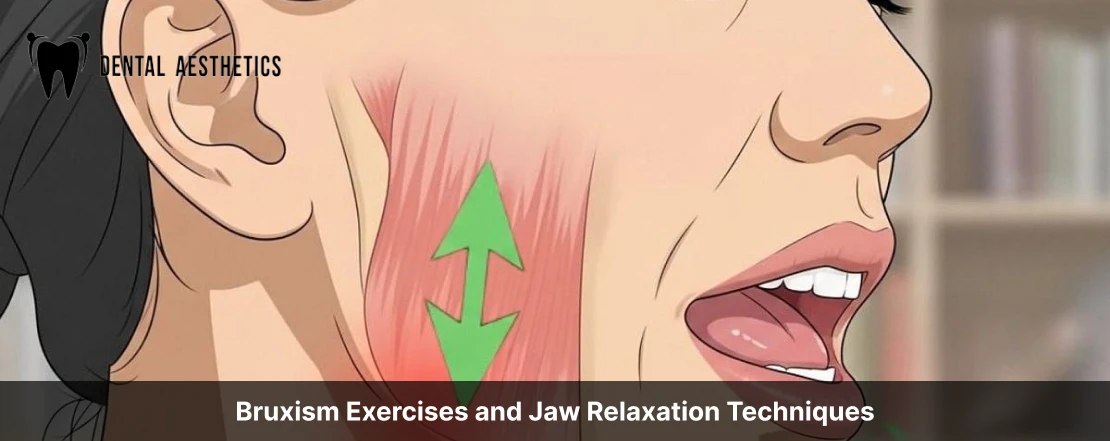
Bruxism treatment may consist of exercises to relax the jaw. These exercises are most effective when they are used in conjunction with other therapies. Mild physiotherapy exercises can help ease muscle tension and discomfort caused by jaw clenching.
Some of these include stretching, controlled opening and closing, and relaxation of the masseters and temporalis. Patients with ongoing or worsening symptoms need to get an assessment.
Bruxism in Children
Bruxism in children is relatively normal and often self-corrects with maturity. Sleep bruxism is common in around 14-20% of children and, therefore, more prevalent than adults. Some parents may report hearing grinding in their child's sleep. Other signs include worn teeth and jaw pain.
Bruxism in Children vs Adults
Factor | Children | Adults |
Prevalence | Higher | Lower |
Cause | Often developmental | Multifactorial |
Prognosis | Usually improves with age | May persist |
Night Guards | Not always appropriate | Commonly used |
Strikingly, most children improve bruxism with no need for intervention. Nonetheless, significant tooth wear is rare, and dental health continues to be important. Bruxism is less common in adults, and night guards are less likely to be prescribed to children, as their jaws are still growing.
Conclusion
Bruxism is not a simple habit. Without treatment, bruxism can wear down tooth enamel, damage teeth and the TMJ, cause chronic headaches, and make you miserable. Fortunately, the risk of long-term problems can be greatly reduced with early treatment.
The primary protection for your teeth and jaw is a bruxism night guard, while treatment and management of stress and other factors may be important and necessary. The best thing to do for your bruxism is to come in for a consultation with us at Dental Aesthetics DHA Lahore. We can help make your teeth and jaw healthy and improve your quality of life
Frequently Asked Questions (FAQs) About Bruxism (Teeth Grinding)
What is bruxism in Urdu?
Bruxism in Urdu is دانت پیسنا (Daant Peesna). It describes the self-correcting involuntary grinding or clenching of teeth. Sleep and conscious bruxism are both relatively common and go unnoticed until the jaw pain and dental health suffers.
What causes bruxism?
There are many factors that can lead to bruxism. Stress, anxiety, sleep disorders (such as sleep apnea), bruxism medications (most of them are antidepressants), habits (like caffeine and tobacco), and genetics. Studies have shown that 20-50% of people who bruxism during sleep have a first-degree relative who also bruxes.
What are the symptoms of bruxism?
Symptoms often include teeth that are worn down, flattened, or chipped, along with an increased sensitivity to teeth. Also, there can be soreness in the jaw and dull headaches in the morning. There can be earaches and fatigue in the face, along with disrupted sleep. Many are unaware of their bruxism until their partner hears them grinding.
Is a night guard the only treatment for bruxism?
No. A night guard is the primary dental treatment that protects teeth, but this does not cure bruxism. Stress management, treatment of the condition that is caused by bruxism, and cosmetic dentistry for bruxism are additional treatment options.
Does a night guard cure bruxism?
No. A custom night guard protects teeth during bruxism by creating a barrier, but does not cure the grinding of the teeth.
Can bruxism damage teeth permanently?
Yes. Chronic bruxism can lead to the need for root canals, tooth loss, exposing the pulp, loss of tooth enamel, and TMJ complications.
Can children have bruxism?
Yes. Sleep bruxism affects around 14-20% of children. Regular dental visits are still recommended, but most children grow out of bruxism naturally.
Does stress cause bruxism?
Though stress is a common cause of awake bruxism, bruxism is multi-faceted and many patients grind their teeth at night due to sleep disorders, neurology, genetics, and medications.
How much is a night guard in Lahore?
We cannot give you a price at Dental Aesthetics DHA Lahore without a consultation. However, you are welcome to call the office and see if we have updated our prices.



Request An Appointment
Map
Timings
Monday - Saturday
11:00 am - 9:30pm
Sunday
12:00pm - 8:00pm