What Causes Dry Mouth? Xerostomia Symptoms, Risks, and Treatment in Pakistan
August 30, 2026
While it may seem like a minor problem at first, having a dry mouth can impact eating, speaking, sleeping, oral comfort and dental health. The medical term for dry mouth is xerostomia, and if it happens frequently, you may have it.
There are many possible dry mouth causes. Some are short-term, like dehydration, anxiety, mouth breathing or a dry environment. Others may be linked to medications, diabetes, autoimmune diseases, cancer treatment or pregnancy.
Knowing the cause is significant because sometimes the symptoms of dry mouth can indicate a health problem. Ongoing dry mouth may also lead to dental caries, gum disease, oral infections, dental decay, and discomfort with dentures.
This guide delves into the most typical causes of dry mouth, symptoms, risks, and dry mouth treatment options to help you understand when it is appropriate to consult a Lahore dentist.
What Is Dry Mouth (Xerostomia)?

A dry mouth can be medically called xerostomia, which often occurs when there is not enough saliva to keep the mouth moist. According to a statement from the National Institute of Dental and Craniofacial Research (NIDCR), saliva keeps your mouth moist, aids the chewing and swallowing process, rinses away food, and buffers your teeth from decay.
Dry mouth in Urdu is called خشک منہ (khushk munh).
Xerostomia is a useful term to differentiate from hyposalivation. Xerostomia is a patient's self-perceived dry mouth, and hyposalivation is a reduced salivary flow. Sometimes someone will feel dry even when his or her saliva flow is not significantly decreased.
Term | Meaning |
Oral dryness | Everyday word for dry mouth |
Xerostomia | Medical term that describes the condition of having dry mouth |
Saliva | A fluid that is made in the salivary glands that protects and moistens the mouth |
Hyposalivation | Used to describe a decreased amount of saliva production |
Salivary Glands | Glands that secrete saliva |
Dryness from time to time is not a cause for concern. But if your mouth is dry for weeks, wakes you at night repeatedly, makes eating hard, or if you experience other symptoms, you need professional attention.
What are the Causes of Dry Mouth?
There is no one cause of dry mouth. The cause may differ based on age, taking medication, health status, lifestyle, time of day or whether it occurs occasionally or regularly.
Some of the more common triggers for dry mouth are dehydration, side effects of certain medications, anxiety, mouth breathing, cancer therapy, diabetes, and certain autoimmune disorders, like Sjögren's disease. These are drugs which decrease the flow of saliva. These are drugs that reduce saliva production.
One of the most common causes of xerostomia is medication. Numerous medications may affect saliva flow or cause a change in the sensation of the mouth.
Some medications that increase a person's likelihood of getting dry mouth include:
Antihistamines
Antidepressants
Antihypertensives
Diuretics
Decongestants
Certain analgesics and other drugs that have a drying effect
According to the American Dental Association, xerostomia is especially prevalent, and there is a higher risk when a person is on several medications.
Do not self-discontinue a prescribed medicine if you think it may be causing the problem. Your doctor or dentist can check what medicines you are taking and determine if you need to change your medicine, adjust your dose, or manage your symptoms.
Medical Conditions Linked to Dry Mouth

Persistent dry mouth can be a symptom of several medical conditions.
Dry mouth may be a result of diabetes mellitus, especially if blood glucose levels are not well controlled. Diabetics are also more susceptible to gum disease and oral thrush.
Sjögren's syndrome (now known as Sjögren's disease) is an autoimmune disorder that involves the immune system attacking the glands that make tears and saliva. One of the most important clues is whether the person complains of dry eyes and dry mouth.
There are other medical factors that may also be responsible, as well as hypothyroidism, anemia, acid reflux/ GERD, salivary gland disorders and certain infections. However, dry mouth does not always indicate that it is a symptom of one of these conditions, and a diagnosis should be based on the overall clinical presentation.
Dry mouth may be caused by:
Possible medical cause | How it may relate to dry mouth |
Diabetes | Related to less saliva and more oral problems |
Sjögren's disease | Can cause dry mouth and dry eyes due to reduction in saliva and tears |
Hypothyroidism | May have oral dryness in some patients |
Anemia | May be associated with oral pain or dryness |
Acid reflux/GERD | Sometimes an individual feels uncomfortable in their mouth or throat while suffering from GERD |
Salivary gland disorders | Can directly affect saliva production or flow |
Dry Mouth and Diabetes
Dry mouth and diabetes do have a connection. Dry mouth may be a complication of diabetes or caused by a decrease in saliva production, which may lead to tooth decay, soreness, oral infections and thrush. Individuals with diabetes are also at an increased risk of periodontal disease, especially if their blood glucose level is not under control.
Dry Mouth and Frequent Nighttime Urination

A persistent dry mouth, increased thirst and frequent urination, particularly waking up several times at night to urinate, is a combination that is particularly noteworthy.
High blood glucose can cause someone to urinate a lot and feel thirsty a lot. Dry mouth is not a diagnostic sign of diabetes, but if it is accompanied by these symptoms, especially if the person was not previously diagnosed, consulting a health care provider about the possibility of diabetes is prudent.
If you have diabetes, it's especially crucial to have regular dental checkups, as health problems from diabetes can make it easier for you to develop gum disease, thrush and other oral issues.
If you have any related oral health concerns, you can read our guide on gum treatment for diabetics in Lahore.
Dry Mouth During and After Cancer Treatment
One of the main causes of xerostomia is cancer therapy. Head and neck radiation therapy may lead to damage of the salivary glands and cause significant loss of saliva. Dry mouth or thicker saliva may also occur from some chemotherapy drugs. These effects can happen while you are being treated for the condition, and they can last after treatment (depending on the treatment).
A decrease in saliva makes you more susceptible to tooth decay, gum disease, infections, trouble swallowing, and other oral complications.
Ideally, the oral health of patients who will be receiving cancer treatment should be evaluated prior to treatment. Dental evaluation prior to cancer treatment and communication between the dental and cancer-care teams are recommended by NIDCR.
For those entering chemotherapy or a family member, you can also find out more about dental care before chemotherapy.
It is particularly critical to monitor patients' mouths after cancer treatment when they still experience xerostomia.
Dry Mouth and Pregnancy
During pregnancy, there can be many hormonal and physiological changes that might result in an increase or decrease in thirst, saliva production, taste, gums or oral comfort.
However, a completely dry mouth is not a sure indicator of pregnancy. This can also occur due to dehydration, nausea and vomiting, mouth breathing, changes in what you eat, anxiety or a reaction to medications.
When the patient is pregnant, it is important to make sure the patient is hydrated, that good oral hygiene is maintained, and dental care is taken, but not the assumption that a dry mouth means it is pregnant. Regular dental care can help to detect gum inflammation, tooth decay and other oral issues at an early stage if you are pregnant or planning to get pregnant.
To get more information on Dental Care during Pregnancy, please refer to our Dental Care during Pregnancy Guide for Lahore patients.
If symptoms of dryness are continuing and you also have unexplained fatigue, are urinating a lot, have dry eyes, do not want to swallow, are experiencing swelling or other persistent symptoms, you may need a medical evaluation.
Lifestyle, Diet, and Situational Causes
Not all dry mouth causes are medical diseases. Often caused by dehydration, which can occur following physical exertion, excessive sweating or vomiting, diarrhea, fever or a lack of fluid. Mouth breathing can also cause dry mouth, especially if due to nasal blockage, allergies, snoring or open mouth breathing. A sense of dry mouth can be caused by changes in saliva flow that occur as a result of anxiety and stress.
Diet can play a role, too. A high intake of caffeine, alcohol, extremely salty foods, acidic foods and foods that cause a dry mouth can worsen symptoms. With a keto diet, some individuals might experience increased thirst or dryness, especially with changes in fluid and electrolyte levels. Dry mouth can be worsened by smoking and drinking alcoholic beverages.
Another factor for people with sensitive mouths is toothpaste. A few toothpastes contain the foaming agent sodium lauryl sulfate (SLS), some of which may irritate or dry out the lining of the mouth in certain people. Toothpaste that does not produce foam when it foams may be better for individuals who have a dry mouth.
Dry Mouth Symptoms and Warning Signs

Dry mouth caused by a high fever shouldn't just be chalked up to a normal lifestyle cause. Dengue is an important acute disease to consider in appropriate outbreaks/exposures in Pakistan. Fever and fluid loss may also lead to dehydration, and WHO recommends that dengue sufferers have lots of fluids, rest and get medical attention. Signs of severe dengue are extreme thirst, severe abdominal pain, persistent vomiting, bleeding, rapid breathing, weakness and other worrisome symptoms.
If you are experiencing fever and probable signs of dengue (increased thirst/ dehydration), please consult the doctor; home remedies to treat dry mouth are not advised.
Dry Mouth Signs and Symptoms
The most common dry mouth symptoms include a sticky or dry sensation in the mouth and a sense of thirst. However, xerostomia can have a much more significant impact than on comfort.
Common symptoms include:
Dry mouth symptom | What you may notice |
Sticky mouth | Salvia feeks thick or insufficient |
Swallowing problems | Dry foods are hard to chew and swallow |
Speech problems | Difficulty talking for extended periods of time |
Changes in taste | Foods have altered tastes or less taste |
Burning sensation | Tongue, mouth, or throat may feel irritated |
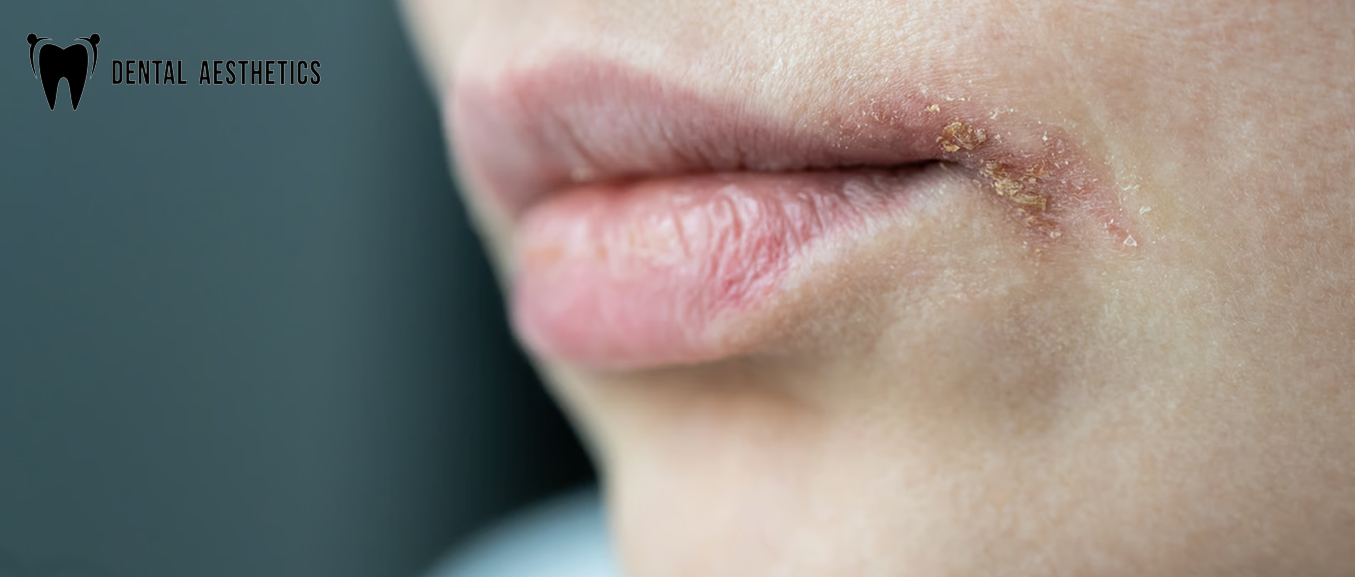
Cracked lips | Lips and corners of the mouth become dry |
Bad breath | Odor becomes more noticeable |
Mouth sores | Dry tissues may become irritated or injured |
Recurrent infections | Thrush and other oral infections may occur |
According to NIDCR, difficulty chewing and swallowing, tasting, speaking, cracked lips, mouth sores, recurrent infections, and bad breath are symptoms of dry mouth.
So, what is dry mouth a sign of? It can be a lack of fluid or mouth breathing at times. In other instances, it may be associated with medication, diabetes mellitus, Sjögren's syndrome, chemotherapy, or other illness.
The chronicity matters. Having mouth dryness after exercising or an overstress event is not a persistent xerostomia that occurs despite drinking plenty of fluids.
Why Is My Mouth Dry at Night or When I Wake Up?
Dry mouth is often noticed at night or in the morning. Saliva production decreases during sleep, and mouth breathing can contribute to dryness. It can be caused by a blocked nose, allergies, snoring, mouth breathing, dehydration, or some medications.
Your bedroom can also be a factor. The feeling can be exacerbated by dry air, especially during air conditioning. If you have a very dry mouth every morning, consider if you also have:
Stuffy nose or trouble breathing through the nose
Loud snoring
Excessive nighttime thirst
Frequent nighttime urination
New medication use
Persistent daytime dryness
A humidifier will not correct an underlying medical cause; it will only help to make the bedroom more comfortable during wetter weather periods.
Dental Risks of Untreated Dry Mouth
Saliva is not just "water in the mouth. Aids in lubricating tissues, assisting with swallowing, removing food particles from the mouth, promoting oral health and protecting teeth.
The mouth's protective functions are lessened when saliva is continually depleted. According to the ADA, xerostomia can lead to a higher risk of dental caries, tooth sensitivity, demineralization and oral infections.
Tooth Decay and Cavities
If there is not enough saliva, the acids and food particles can stay around teeth longer. This can make it more likely that you will develop cavities or damage to the enamel.
Those with a chronic dry mouth may require a more preventive approach to dental care than a person with normal saliva production.
Gum Disease
However, dry mouth does not necessarily lead to gum disease, but it can lead to an unhealthy oral environment. If xerostomia is combined with diabetes, smoking, poor oral hygiene or existing plaque, the risk of the conditions can be increased.
To learn more about gingivitis treatment, visit our guide to treating gingivitis in Lahore.
Oral Thrush and Infections
Oral thrush is a fungal condition which may be more likely to develop when the normal defenses in the mouth are compromised. Risk factors may include diabetes, cancer treatment, dentures and dry mouth.
If you see continual white spots, burning, pain or trouble chewing, a dentist or physician should determine the cause, not the fact that it is dry mouth.
For more information, read our adult oral thrush overview.
Denture Discomfort
Saliva lubricates tissues and adds to the comfort of the denture. Dentures might not be as comfortable if the mouth is dry, and it is harder to eat or talk.
Bad Breath
When your mouth is dry, you're more likely to have poor oral hygiene thanks to the fact that saliva typically helps wash away food particles and keep your mouth healthy.
If a person has ongoing bad breath that doesn't seem to be going away after they brush their teeth and clean the back of their tongues, they should get a dental checkup to find out if they have dry mouth, gum disease, tooth decay, infection, or another problem.
Home Remedies and Self-Care for Dry Mouth
Simple steps can help relieve occasional and mild dryness.
These are all common recommendations: drinking water regularly, chewing sugar-free gum, using sugar-free lozenges, and keeping the mouth clean. For people who are able to chew gum, sugar-free gum (with xylitol) may be beneficial, as it produces saliva and won't add sugar to the diet.
If the air is dry, it may help to place water close to the bed and use a humidifier at night. Rather than continually drinking water, it may be more beneficial to treat the nasal issue if it is responsible for mouth breathing.
Avoid factors that could exacerbate dryness, such as:
Smoking and tobacco
Alcohol
Excessive caffeine
Foods that are very salty, spicy, acidic or sugary
Alcohol-containing mouthwash
Brush with fluoride toothpaste and floss regularly for dental protection.
What about Homeopathic Remedies?
Dry mouth is sometimes used in the marketing of a homeopathic product; however, it doesn't replace an underlying diagnosis or treatment.
No good evidence exists for any one homeopathic remedy, in particular, to restore normal salivary gland function. If you have a persistently dry mouth, particularly if you have other symptoms or dental issues, it is more beneficial to determine what is actually causing your dry mouth than to continually experiment with various remedies that have not been proven.
The type of dry mouth treatment is determined by the cause of the dry mouth, the severity of the dry mouth symptoms, whether the salivary glands are still functioning, and if complications have occurred such as tooth decay or infection.
Treatment approach | Main purpose |
Fluoride treatment | Helps to protect teeth from decay |
Saliva substitutes | Temporarily moisturize the mouth |
Sugar-free gum/lozenges | Promote adequate saliva flow |
Oral moisturizers | Provide symptomatic relief |
Treatment for underlying conditions | Seeks to treat the underlying cause if possible |
Regular dental monitoring | Detects decay, gum disease and infections ea |
Fluoride Treatments
Persistent xerostomia can pose a risk for tooth decay and is especially important when fluoride is involved.
Your dentist might suggest using fluoride toothpaste, a fluoride application by a dentist, or another fluoride-containing preventive treatment based on your dental risk.
Artificial saliva and stimulants.Artificial saliva and saliva stimulants. Oral gels, sprays and other moisturizing products, and also saliva substitutes, can help to ease the symptoms temporarily. They do not always restore normal salivary gland functioning, but they can make eating, speaking and sleeping more comfortable.
If the salivary glands are still working, sugar-free gums or lozenges can help to stimulate saliva. In cases where symptoms are severe, your doctor or dentist may also recommend a saliva stimulant (where appropriate). Prescription medication should be used after professional evaluation only for certain medications.
When to See a Dentist About Dry Mouth
With persistent, worsening or interfering with life dry mouth, a dental appointment should be considered.
If you have any of the following, then a professional assessment is especially important:
Trouble eating, chewing or talking
Ongoing mouth pain or burning
Recurrent oral infections/white patches
New or recurrent caries lesions
Swollen and bleeding gums
Persistent bad breath
Denture discomfort
Dry throat and dry eyes
Xerostomia (dry mouth) and polyuria (excessive urination) or thirst
Symptoms that persist after enough fluid and self-care
Your dentist will check the health of your teeth, gums, tongue, tissues, dentures and the amount of saliva in your mouth and decide if more medical testing is needed. Medical history, medication review, exam and sometimes blood tests or salivary-flow testing may be used to diagnose.
Why Choose Dental Aesthetics for Dry Mouth Treatment
Knowing the causes of dry mouth responsible for your issue is more beneficial than treating the symptom over and over without realizing its origin.
In some instances, the treatment is as simple as staying hydrated, avoiding breathing through the mouth, using a non-irritating oral care product or working on sleep habits. However, in some cases, dry mouth may be associated with taking medications, diabetes, Sjögren's syndrome, cancer treatment or other health conditions requiring treatment from a healthcare professional.
Dental Aesthetics provides a wide range of dental care in Lahore, including preventive, therapeutic, periodontics, aesthetic dentistry, implantology and other dental services. The clinic has several locations in DHA Lahore and provides patients with consultations with the dental staff.
If chronic dry mouth becomes a burden for your teeth, gums, prostheses, eating comfort or life quality, a dental check-up can help establish the nature of possible complications and see whether some additional diagnostic procedures are needed.
Schedule a dental consultation appointment with Dental Aesthetics Lahore.
Frequently Asked Questions
What is xerostomia?
Dry mouth is known as xerostomia. A dry mouth is the sensation of not having enough saliva, which may be due to a decrease in saliva flow. This can be caused by medications, health issues, breathing through the mouth, treatment for cancer or other causes.
Why is my mouth dry even though I drink a lot of water?
Although drinking sufficient amounts of water may be a component to xerostomia, it is not sufficient to remedy it.
A lack or change in saliva can be caused by medications, mouth breathing, anxiety, diabetes, Sjögren's disease, cancer therapy, salivary gland issues and more. If you're still dry even after you drink plenty of fluids, talk to your dentist or doctor.
Is it possible to have dry mouth with diabetes?
Yes. Sometimes diabetes may be linked to dry mouth, especially if blood sugar is not well controlled. Diabetes can also lead to gingivitis and oral thrush (candida overgrowth).
If dry mouth is accompanied by an increased thirst and urination, especially recurrent urination at night, it may be necessary to seek medical advice for possible blood-glucose issues.
Is dry mouth caused by stress or anxiety?
Yes. Saliva production may be affected for a short period of time by anxiety and stress, and the mouth may dry out. But if the dryness is chronic, do not simply assume that it is due to stress. If symptoms persist despite being calm, other reasons are to be considered.
What can I do to prevent dry mouth at night?
Start by considering the cause. Have water handy and drink it sparingly as needed. Stay off of excess caffeine and alcohol and consider using a humidifier if the bedroom is dry. Sugar-free gum in the day can help stimulate saliva.
If you find it difficult to breathe through your nose (or your other sinus passage) and you sleep with your mouth open, fixing the airway condition could be the best thing to do rather than focusing on the dryness only.
Does dry mouth happen to pregnant women?
Dry mouth may happen while you're expecting; however, by itself it is not a reliable indicator of pregnancy. Oral dryness may be affected by hormonal changes, nausea and vomiting, dehydration, diet, anxiety and more.



Request An Appointment
Map
Timings
Monday - Saturday
11:00 am - 9:30pm
Sunday
12:00pm - 8:00pm