


What Causes White Spots on Teeth? And How to Get Rid of Them
July 14, 2026
White spots on teeth typically result from white spot lesions that occur with the loss of minerals (demineralization) in the enamel. They may also be caused by fluorosis, poor oral hygiene, build-up of plaque, braces, enamel hypoplasia, nutritional deficiencies, some medicines and overexposure to acids. The correct treatment is dependent on the underlying cause, and when diagnosed early, treatment options can often be very minimally invasive, enabling a smile that looks natural again.
Many people are not sure why white spots appear on teeth, but it's not always easy to determine the cause. Other white spots that appear during the formation of teeth and/or after orthodontic treatment are early signs of enamel damage. Knowing the cause helps to decide what treatment is most appropriate and to avoid future enamel damage.
First, the dentist at Dental Aesthetics Lahore will thoroughly examine to diagnose the root cause of white spot lesions, and then suggest cosmetic or restorative options. Modern dentistry has a number of options for enhancing the look of these spots without braces or whitening, whether they've occurred since braces were worn, whitened, or existed since childhood.
What is White Spot Lesion (Dental White Spot)?
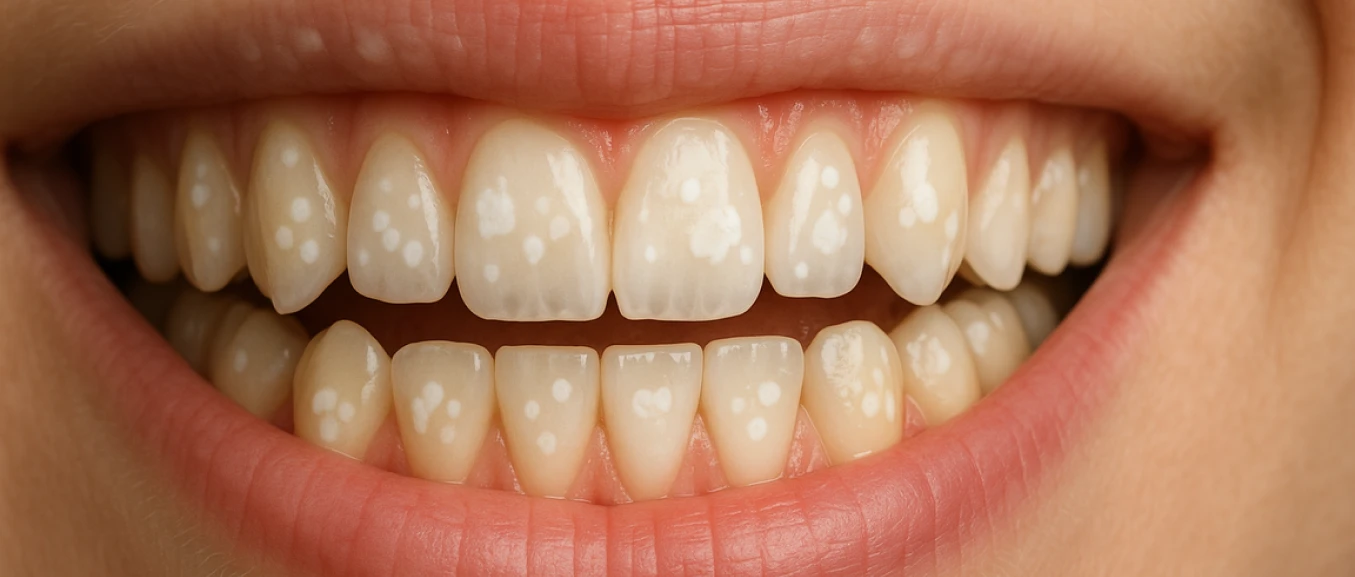
White spots are areas of tooth enamel that have demineralized and look chalky, opaque or lighter than the rest of the tooth surface. These are referred to clinically as white spot lesions, and they occur most often with enamel demineralization.
Enamel is naturally translucent due to the high mineral content that gives it a natural appearance. The enamel is porous when minerals are lost from it due to the highly acidic conditions created by plaque bacteria or food acids. These minute changes change the reflection of the light from the tooth, creating visible white discolored areas.
Not all the white spots are signs of tooth decay. These are either caused by the developmental process (like enamel hypoplasia or dental fluorosis) or cosmetic alterations that become more apparent under specific circumstances.
Feature | Healthy Enamel | White Spot Lesions |
Colour | Clear and clear | Chalky, opaque white |
Mineral Content | High | Reduced |
Surface | Hard and glossy | May appear rough or porous |
Risk of Decay | Low | Increased if untreated |
Medical treatment | Routine care | Depends on the underlying cause |
Common Causes of White Spots on Teeth
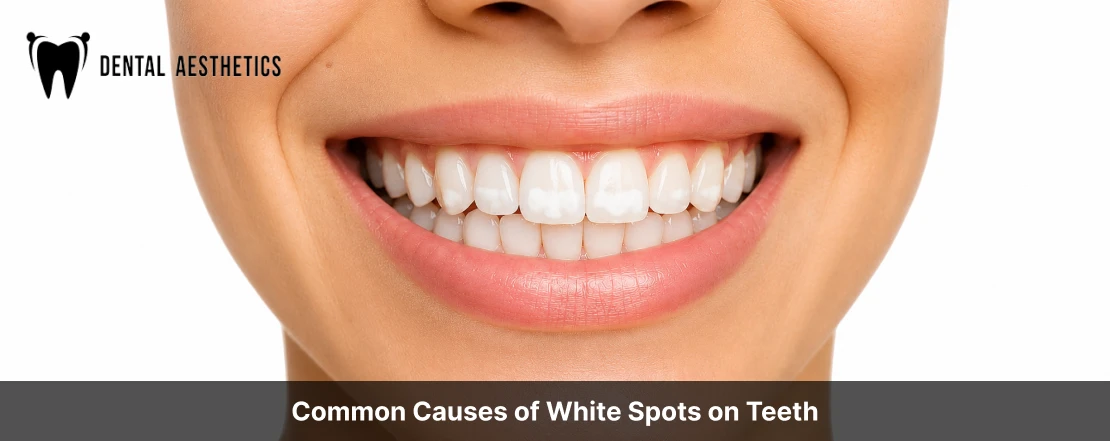
There are a number of factors to consider when addressing the cause of white spots on teeth. The most frequent cause is demineralisation; there are several causes that give rise to similar lesions.
Demineralization and Early Tooth Decay
The most common response to the question of what happens to cause the white spots on teeth is that they are the result of enamel demineralization.
Oral bacteria generate acids each day that are able to demineralize the enamel. The saliva normally recovers from this damage with remineralization. If acids attack too often due to consumption of sugary food, lack of good oral hygiene or plaque accumulation, the repair process cannot catch up.
The result is white "spot lesions", which are the first signs of tooth decay.
Common risk factors are:
Eating lots of sweets throughout the day
Sodas and carbonated drinks
Poor brushing and flossing.
Dry mouth
Poor plaque control
Demineralization can be arrested and reversed in advance of the formation of a cavity if treated in time.
Fluorosis
The excess of fluoride taken in during childhood, when permanent teeth are developing, is responsible for dental fluorosis.
Excessive fluoride interferes with normal enamel formation, resulting in white streaks, cloudy patches or, in extreme cases, brown staining and irregularities.
Fluorosis does not occur because of poor oral hygiene and it is not a condition that can be corrected naturally as would be the case with early decay.
Poor Oral Hygiene and Plaque Buildup
One factor that many people ask regarding their teeth is why do they have white spots on their teeth when brushing them regularly.
Often, it is the technique of brushing, not how often. Plaque is deposited around the gum line and between the teeth. Acids are produced by bacteria in plaque continuously dissolve enamel minerals, particularly around orthodontic brackets. Good plaque control will greatly reduce the chance of forming new white spot lesions.
Diet and Acidic Foods
Diet is an important factor in enamel health. Oral bacteria multiply on sugary foods, and enamel is dissolved by acidic foods. Soda, citrus fruit, sport and energy drinks are frequent causes of enamel demineralisation.
Limiting acid exposure and flushing with water can help to preserve enamel.
Enamel Hypoplasia and Genetics
Others get white spots due to the fact that the enamel was not formed properly in the first place.
Enamel hypoplasia is a failure in the enamel development during childhood. This can be due to childhood illness, low birth weight, trauma to developing teeth or genetic causes.
These areas typically exist from the time the tooth appears until it is no longer present, and they may impact on the appearance as well as the strength of the enamel.
Medications
One of the most common questions patients ask is what medications can lead to white spots on teeth.
Some medicines during tooth formation can affect the enamel. In the past, tetracycline antibiotics have primarily been seen as causing intrinsic tooth discoloration, but in some cases, disturbances in enamel development may contribute to enamel defects. Certain drugs also may lead to a decrease in saliva flow and contribute to demineralization indirectly.
Deficiency of Nutrients and Vitamins
What deficiency causes white spots on teeth or what vitamin deficiency causes white spots on teeth are some of the common questions asked.
While deficiencies are not always the only factor, the lack of calcium, phosphate or vitamin D during the developmental stages of the tooth can lead to weaker enamel and developmental defects.
Over time, enamel can become more susceptible to acid attacks due to poor nutrition.
Nutritional Factor | Possible Effect on Teeth |
Micronutrient deficiency | Frequent dental caries |
Vitamin D deficiency | Poor calcium absorption |
Phosphate imbalance | Weaker enamel structure |
Inadequate nutrition | Risk of enamel defects |
Mouth Breathing, Dehydration and Acid Reflux/GERD
Sometimes temporary white patches occur due to mouth breathing, long dental sessions or lack of saliva. Spots tend to be less intense when the enamel rehydrates.
Stomach acid can soften enamel and cause white spot lesions as a result of chronic acid reflux (GERD).
White Spots on Teeth After Braces (Post-Orthodontic White Spots)
One of the most common cosmetic problems that happen after orthodontic treatment is the presence of white spots on teeth after braces.
Brackets make cleaning more difficult, allowing plaque to accumulate around them. When bacteria form the acid that demineralizes enamel, leaving square or circular white marks when braces are taken off.
The severity of these lesions varies. Depending on the depth of the lesion, mild cases can be improved with remineralization, and deeper lesions will typically require professional cosmetic treatment including resin infiltration (Icon treatment) or microabrasion.
Why White Spots Develop During Braces | Explanation |
Plaque Retention | Brackets trap plaque |
Difficulty in Cleaning | The toothbrush can be accessed in fewer places |
Frequent Acid Attacks | Bacterial acids are able to dissolve enamel |
Demineralisation | White spot lesions develop around brackets |
White Spots on Teeth in Kids vs Adults
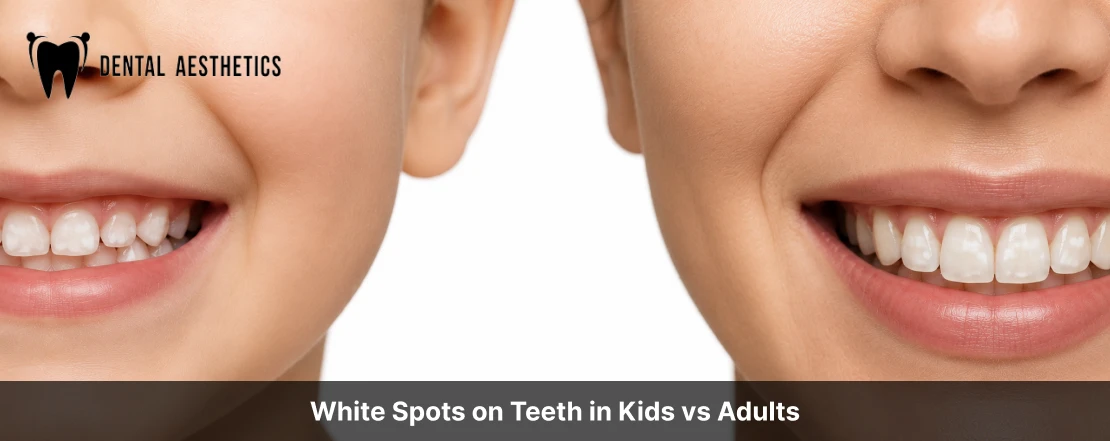
Sometimes parents experience some concerns about the white spots found on children's teeth, or white spots on a baby's teeth or white spots on toddlers' teeth.
In children, white spots can be caused by fluorosis, enamel hypoplasia, early childhood decay or developmental enamel defects. Changes may be earlier in baby teeth than permanent teeth since the enamel is thinner.
In contrast, white spots on teeth of adults are more frequently associated with demineralisation, prior orthodontic treatment, acid erosion, plaque accumulation or cosmetic reasons. Young or older evaluation is important for a dental problem.
Children | Adults |
Fluorosis | Demineralization |
Enamel hypoplasia | Post-braces lesions |
Osteoporosis | Acid bones |
Development defect | Plaque-related lesions |
Why White Spots Can Look More Noticeable After Teeth Whitening?
If you've had your teeth whitened, you might find white spots even more noticeable than usual.
Some of the patients experience the appearance of white spots on teeth following the whitening procedure, making them more noticeable.
This may be due to the fact that whitening temporarily dehydrates the enamel, thus enhancing the contrast between healthy enamel and any white spot lesions. Additionally, the whitening will lighten adjacent enamel, creating a visual contrast of the flaws.
While many sufferers claim this is the result, the degree of prominence of the white spots is different among individuals and varies based on the condition. If the white spot stays, a dentist needs to take a look first before continuing to whiten.
Are White Spots on Teeth Dangerous?
Not all the white spots are dangerous. White spotting due to fluorosis is typically cosmetic and developmental defects may be merely cosmetic.
But white spot lesions due to demineralization are early signs of damage to the enamel. They can lead to cavities that need fillings or more serious treatment if not treated.
It is the help of professional diagnosis can help determine if treatment is required or only cosmetic.
Professional Treatment For White Spots Options
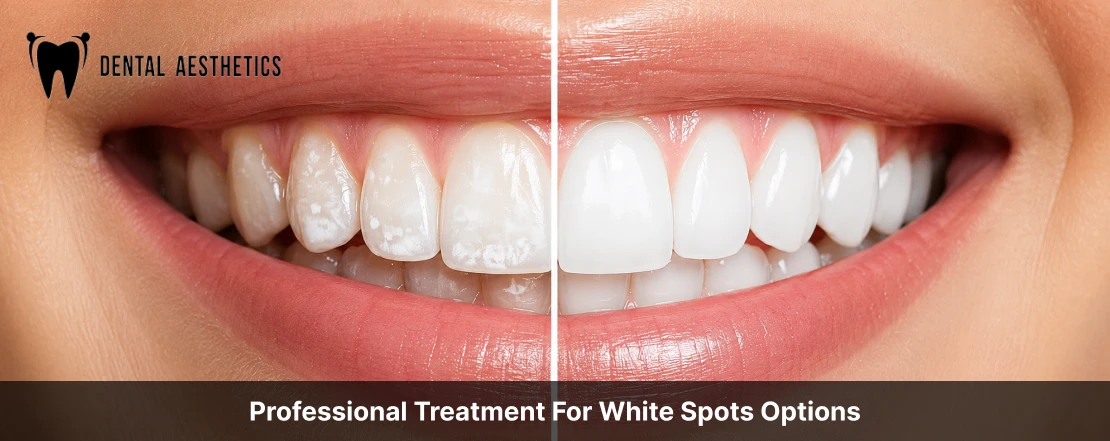
In cases of severe and/or extensive lesions, and where the lesions are caused by some underlying medical condition, a number of effective treatment options exist in modern cosmetic dentistry.
Treatment | Best For | Invasiveness | Cosmetic Improvement |
Fluoride/Remineralization | Early lesions | Minimal | Mild |
Microabrasion | Superficial lesions | Conservative | Moderate |
Resin Infiltration | Early white spot lesions | Minimally invasive | Excellent |
Veneers | Severe defects | Moderate | Excellent |
Mild demineralization
Some superficial enamel abnormalities and it offers a dramatic cosmetic improvement to many patients without the drilling or veneers.
Microabrasion
Microabrasion involves the use of a special polishing compound to wear away a tiny layer of enamel. It is recommended for mild surface discoloration and mild fluorosis.
Resin Infiltration (Icon Treatment)
Resin infiltration is one of the most exciting developments in cosmetic dentistry (also known as the Icon treatment).
This minimally invasive procedure does not involve the loss of healthy tooth structure, but rather a clear resin that penetrates porous enamel, allowing light to refract, greatly reducing the visibility of the lesion while strengthening weakened enamel.
Resin infiltration works best on:
White spot lesions that appear early on
The braces will be followed by white spots
Veneers
If there is widespread involvement of the white spots and/or there is significant hypoplasia of the enamel, porcelain veneers may provide the most predictable long-term cosmetic outcome.
Covered in the front of teeth with veneers for an even more natural finish, while retaining the maximum amount of natural tooth structure.
Teeth Whitening
While professional whitening can help brighten the overall colour of teeth, it can't eliminate all white spots. Sometimes a combination of whitening and resin infiltration or microabrasion is recommended for the most balanced cosmetic effects.
At Dental Aesthetics Lahore, treatment options are tailored to each patient to maintain healthy enamel where possible rather than resort to more intensive cosmetic treatments.
What People Do to Get Rid of Things at Home (And What Dentists Recommend)?

There are numerous articles on the web that recommend the use of home remedies for white spots, but there is not much scientific evidence.
Baking soda is well-known for its gentle polishing properties, which makes it a popular choice. But chronic or excessive use can erode enamel and should not be used for the treatment of white spot lesions.
Another popular treatment is Lemon juice, but it contains a lot of acid that can further demineralize enamel and exacerbate existing enamel lesions. Dentists don't recommend applying lemon juice directly to the teeth.
Additionally, some use coconut oil as an oil pull. Some may find that oil pulling helps to keep their mouths healthy, but there is no strong evidence to support that it can remove the white spot lesions or restore lost enamel minerals to the teeth. The best way is to find the root cause of the problem and then treat it at home.
How to Prevent White Spots on Teeth
It's much easier to prevent white spot lesions than to treat them when they appear. Tooth brushing twice a day with fluoride toothpaste and inter-dental cleaning daily are the main principles of good oral hygiene. Minimize sugar and carbonated drinks, stay hydrated with lots of water to keep saliva production up and make regular trips to the dentist to catch enamel changes early.
Patients who have braces should brush with orthodontic brushes and use fluoride mouth rinses if prescribed, and must take great care to control dental plaque around orthodontic brackets.
While children are at an age where they need fluoride, they do not need too much, and adults who suffer from acid reflux or chronic dry mouth must get the right medical or dental treatment.
Now that you're looking around for what causes white spots on teeth, the first step in prevention is to minimize the repeated attacks of acid on enamel and recognize the issue early.
Why Choose Dental Aesthetics Lahore for White Spot Treatment?
There are many causes of white spots, and so there is no single cure for them. Diagnosis is the first step towards successful treatment.
When there is a lesion, at Dental Aesthetics Lahore we will assess the cause and suggest conservative treatment options, like remineralization therapy, resin infiltration, cosmetic contouring, professional whitening or porcelain veneers (where appropriate). We always work to enhance your smile while keeping as much enamel as possible.
However, if you're worried about white calcium deposits on teeth, white spots after braces, or persistent enamel discolorations, it is important to schedule an evaluation so you can get a professional opinion on the treatment options available before any tooth discoloration worsens.
Conclusion
You may have wondered about the reasons for white spots on teeth, and it is the way in which your enamel develops and grows that is the answer. The white spots may be cosmetic problems, but they could also be an early warning sign of enamel demineralization and should be addressed as soon as possible.
Fortunately, there are modern dental treatments that can give a significant improvement in the appearance of an affected tooth such as remineralization therapy, microabrasion, resin infiltration (Icon treatment), whitening, and veneers.
For those seeking advanced cosmetic treatments and expert evaluations, Dental Aesthetics Lahore provides customized approaches to help you achieve a healthier, more confident smile.
FAQs
Do white spots on teeth indicate a problem?
Not always. Fluorosis does not cause any health problems, and the white spots it leaves on the teeth are mostly cosmetic. But white spots that occur from enamel demineralization are signs of early decay and should be evaluated by a dentist.
Are white spots on teeth normal?
With the exception of treatment, most white spot lesions will not go away completely. Petechiae that are caused by dehydration can resolve on their own, and with early initiation of remineralization therapy, early demineralization can be treated.
Is it possible to permanently remove white spots on teeth?
There are various professional treatments that can reduce or eliminate many white spots: resin infiltration, microabrasion, porcelain veneers and, in selected cases, whitening. This depends on the cause.
Will white spots from braces stay permanently?
Not necessarily. While some white spots on teeth after orthodontics will remineralize, others are very responsive to either resin infiltration or microabrasion. Earlier treatment results in usually best cosmetic result
What are the causes of white spots on teeth among adults?
Most frequently, this happens as a result of enamel demineralization, the build-up of plaque, enamel erosion from acid, previous orthodontic work, enamel hypoplasia, fluorosis, or, less often, nutritional deficiencies or medication-related enamel defects.



Request An Appointment
Map
Timings
Monday - Saturday
11:00 am - 9:30pm
Sunday
12:00pm - 8:00pm