


Nitrous Oxide for Painless Dental Procedures
Fortunately, Dental Aesthetics offers nitrous oxide dentistry in Lahore to help ease patient nerves. In this blog ahead, we’ll explain everything you need to know about the very famou nitrous oxide, including how it works and why your dentist might recommend it for your treatments.
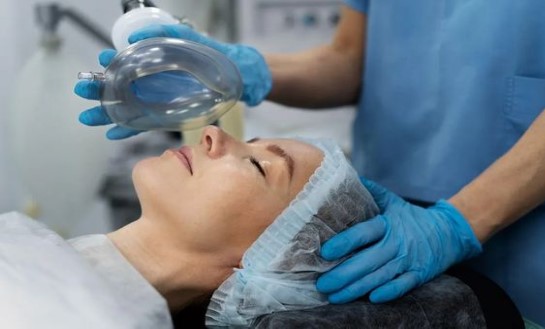
What Does Nitrous Oxide Do?
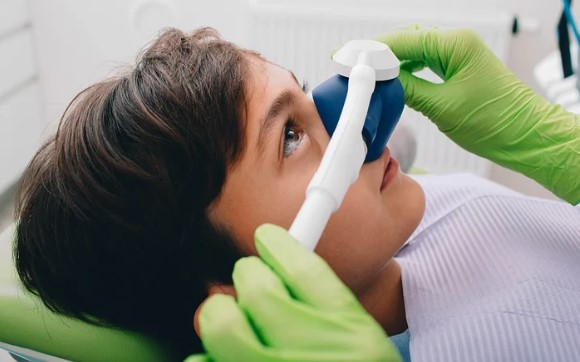
Whats are the Benefits Of Nitrous Oxide?
Dentists prefer nitrous oxide for sedation due to its safety and effectiveness. The most notable advantage of laughing gas is its ability to relieve anxiety, helping those with medical or dental phobias to overcome their reluctance and get the care they need. Nitrous oxide offers several key benefits:
Fast-acting: The effects begin quickly, helping you relax soon after inhalation.
Short-acting: Once the gas flow is stopped, you’ll start to feel like yourself again in minutes, which is beneficial if you find the effects uncomfortable.
Easy to administer: It doesn’t require needles, making it a convenient option.
Safe and effective: When used in a healthcare/dental setting, nitrous oxide provides reliable sedation with minimal risk.
Nitrous oxide offers several benefits for a more comfortable dental visit. It reduces anxiety, provides mild pain relief, and creates a calm, stress-free environment. It also helps lessen the gag reflex, easing the procedure for both you and the dentist. With rapid onset and quick recovery, you can return to your normal activities almost immediately. Plus, nitrous oxide has minimal side effects, and its sedation level can be easily adjusted to fit your needs.
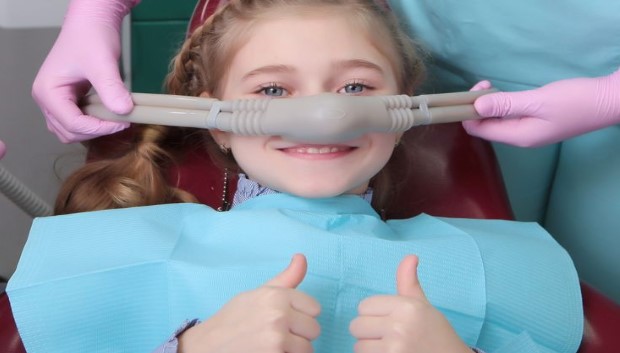
What Are The Effects of Nitrous Oxide?
Nitrous oxide, or laughing gas, helps you stay calm and relaxed during medical or dental procedures. It works quickly, usually within minutes, and induces feelings of happiness and relaxation. You might feel calm, lightheaded, or even slightly tingly in your arms and legs. Despite its name, laughing gas doesn’t always make you laugh; its effects vary from person to person. With nitrous oxide, you remain able to communicate with your provider and follow instructions. This makes it a valuable option for managing anxiety and discomfort, enhancing the overall comfort of your procedures.
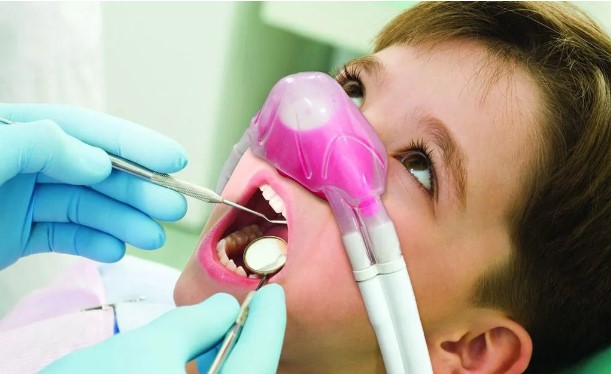
Who should take nitrous oxide?
Individuals with dental anxiety: It helps ease nerves and create a relaxed atmosphere.
Children: It can make dental visits more manageable and less intimidating.
Patients with a strong gag reflex: It reduces the reflex, making procedures more comfortable.
Those undergoing lengthy procedures: It helps maintain relaxation throughout extended treatments.
People with sensitive nerves: It provides a calming effect and mild pain relief.
Individuals with special needs: benefit from using nitrous oxide as it provides a gentle, adjustable form of sedation tailored to accommodate various needs.
Who shouldn’t use nitrous oxide sedation?
- Pregnant women: It’s generally avoided due to potential risks during pregnancy.
- Individuals with respiratory issues: Conditions like chronic obstructive pulmonary disease (COPD) can be exacerbated.
- People with a history of substance abuse: They might be at higher risk for misuse.
- Patients with severe vitamin B12 deficiency: Nitrous oxide can interfere with vitamin B12 metabolism.
- Those with a known allergy to nitrous oxide: Allergic reactions can occur in rare cases.
- Individuals who prefer to avoid sedation: Some may choose not to use any form of sedation. Always consult with your dental expert to determine the best option for your specific needs.
What should you expect if you are getting laughing gas?
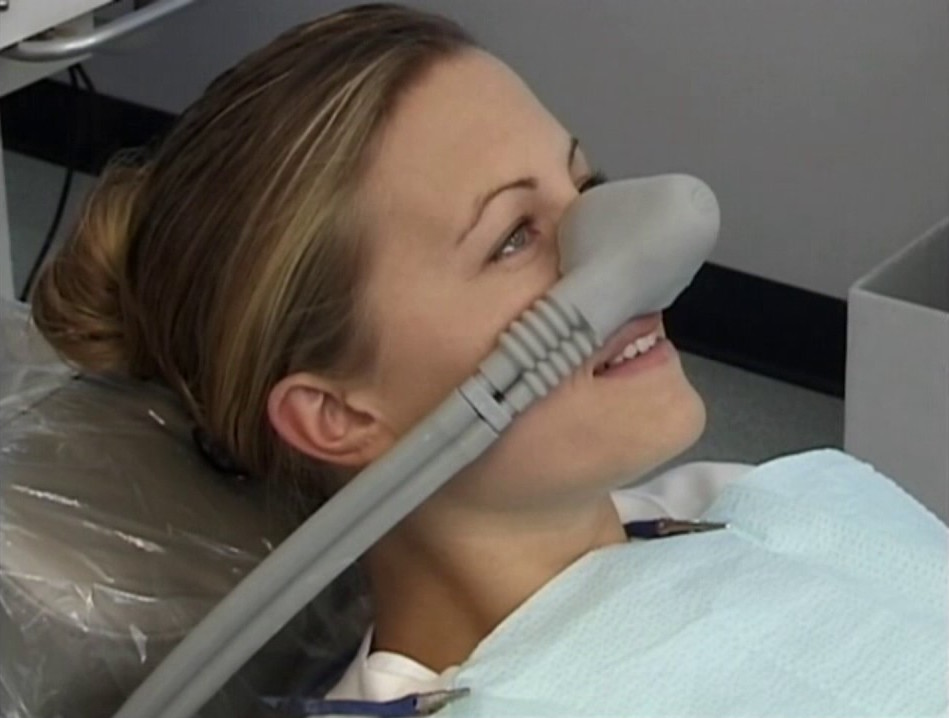
1. Mask Placement: Your provider will put a mask over your nose and mouth. For dental procedures, it will be a smaller mask that only covers your nose.
2. Gas Administration: They’ll open a tank to let nitrous oxide and oxygen flow into your mask, starting with a low dose to gauge your response.
3. Dosage Adjustment: The provider will adjust the dosage until you feel the desired effects.
4. Procedure: Your provider will perform the procedure. Often, nitrous oxide is combined with local anaesthesia, as it helps reduce pain but doesn’t eliminate it entirely.
5. End of Gas Flow: After the procedure, they’ll stop the nitrous oxide flow.
6. Oxygen Breathing: You’ll breathe pure oxygen through your mask until you feel alert again.
7. Mask Removal: The mask will be removed from your face.
8. Observation: You’ll be monitored for a few minutes before being allowed to go home.
Feeling a bit nervous is normal if you’re new to laughing gas. You can let your provider know if you experience any uncomfortable side effects, like dizziness or nausea, and they can adjust the dosage to help you feel better.
Why Choose Nitrous Oxide Sedation at Dental Aesthetics?
Feel free to contact us. Our 24-hour service is here for you.