


Bad Breath (Halitosis): Causes, Diagnosis and Treatment in Pakistan
September 12, 2026
Bad breath (halitosis) can be chronic and difficult to remedy. often requires treatment beyond gargling mouthwash or improving one’s dental hygiene. There are many potential causes of bad breath that are dental related such as plaque, gingivitis treatment in lahore, gum disease, cavities, and poor oral health. There are also non-dental causes such as dry mouth, infections, and the presence of food and mucus in the mouth.
It is important to distinguish the cause of bad breath in order to treat it properly. Masking the symptoms with gum, mints, mouthwashes, or other breath fresheners only provides a temporary solution and can be unproductive in the long-term.
In 2023, a review published in the Journal of Family Medicine and Primary Care identified 80-90% of bad breath cases with intraoral causes. Other studies have identified varying proportions of bad breath cases related to dental causes. As it pertains to the people of Lahore, there are many dental and oral causes of bad breath, including dietary habits, fasting, and use of Paan and Naswar, as well as smoking methods including sheesha. It is prudent to rule out causes of bad breath. Masking bad breath with breath mints, mouth sprays, and gums provides very little benefit in the long run.
This resource will help you understand bad breath and how dentists will address this issue. It will also give you an idea of treatments that you may expect, as well as when you may need to see another kind of doctor.
Bad Breath Evaluation and Treatment in Lahore
Most bad breath cases are due to infection or debris accumulation in the mouth. Some cases may be due to an infection in the nasal passage or gut.
Treatment for bad breath starts with thoroughly cleaning the oral cavity. The dentist will clean the tongue and check for a coating. If a coating is found, it may be removed, and bad breath will improve. According to a study conducted in Lahore in 2016, it was found that of the 615 participants, 45.6% reported bad breath, and individuals with tongue coating were 2.4 times more likely to have bad breath. The study was small and did not reflect the entire population of Lahore.
Cause | Typical Clue | Relevant dental service |
Tongue Coating | White/yellow tongue coating | Bad breath treatment |
Gum Disease | Bleeding, swollen or tender gums | Gum disease treatment |
Tooth Decay | Cavity, sensitivity or toothache | Restorative dental care |
Food trapping | Odour from a particular area | Dental examination and cleaning |
Dry mouth | Sticky mouth, thirst, reduced saliva | Bad breath assessment |
Dentures | Odour around appliance | Dental assessment |
It is important for every dentist to identify the cause of bad breath to ensure appropriate treatment is offered.
Bad Breath From the Mouth and Elsewhere: Bad Breath and Other Causes
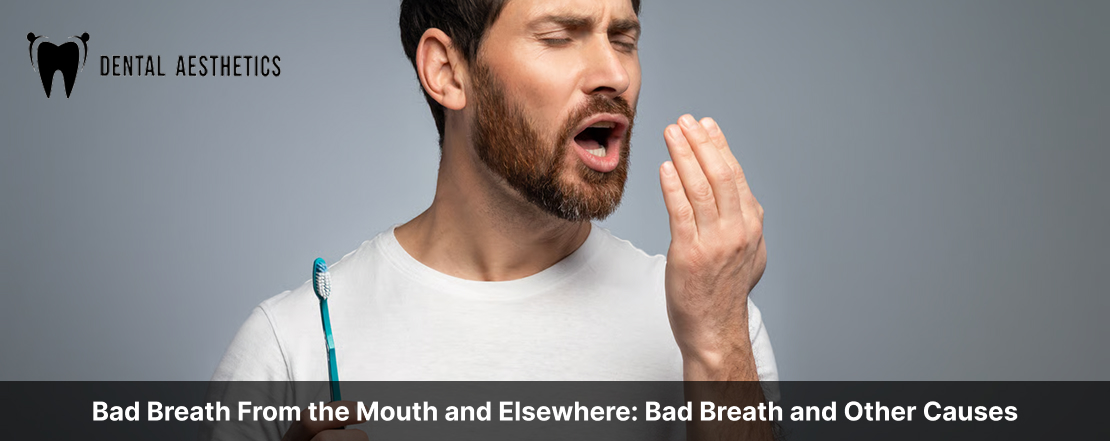
The oral cavity is usually the first location to be examined for bad breath, and so a dentist or dental professional is an appropriate initial health care provider for chronic bad breath (halitosis). Oral causes of bad breath can be varied and often are not apparent during an oral examination. Therefore, when a dental professional is unable to determine an oral cause for bad breath, a referral to a medical or allied health professional is warranted.
A review of the literature available through the National Library of Medicine (PubMed) indicates that patients frequently believe that bad breath originates from stomach (gastrointestinal) problems. The authors of the systematic review on halitosis, and other similarly focused review articles, acknowledge the oral cavity as the main source of bad breath and identify systemic and gastrointestinal problems as secondary causes.
Tonsil stones are a possible cause of bad breath. Bad breath from tonsil stones is caused by the breakdown of trapped mucus and bacteria in tonsil crypts. The upper respiratory system and tonsils should be evaluated if a person has a bad odor and a healthy or normal-appearing oral cavity.
Symptom | Explanation | Initial approach |
Odour + Bleeding gums | Gingivitis/Periodontitis | Dental exam |
Thick tongue coating | Tongue Bacteria/debris | Dental exam/counseling regarding tongue care |
Dry mouth | Decreased saliva | Dental exam /medical evaluation |
Throat debris/Bad taste | Tonsil stones/condition | Dental/E.N.T exam |
Nasal discharge/Congestion | Sinus/Nasal condition | Medical evaluation |
Reflux | Gastroesophageal reflux | Dental exam/Medical evaluation |
No oral cause | Extraoral cause | Medical evaluation/other specialist |
There are a number of non-oral causes for bad breath, and there are a number of conditions for which assessment and/or treatment beyond dentistry is required. A dental appointment does not necessarily mean a bad breath sufferer will receive treatment for their bad breath.
Everyday Habits That Make Bad Breath Worse: Dry Mouth, Bad Breath, Paan, Naswar and Sheesha
Tobacco and related products can cause bad breath both directly and by aggravating other conditions that lead to bad breath. The review, published in 2022, evaluated multiple studies to estimate the effect of tobacco use on bad breath. The review noted that the studies evaluated had a high degree of variability; however, they all concluded that bad breath was more prevalent in tobacco users as compared to non-tobacco users.
There are a few localized products, such as Paan and Areca nut, that deserve special mention. Repeated and long-term use of these products can affect oral tissues and the hygienic condition of the mouth. Bad breath in a patient who uses Paan or Naswar should be evaluated during a routine dental checkup.
If a patient uses paan and other related products and the products are causing unpleasant sensations in the mouth or burning, then the patient should be evaluated immediately. Other symptoms such as inability to fully open the mouth, the presence of oral ulcers, oral tissues that appear inflamed, or other abnormal changes in the oral tissues are indications for an immediate dental evaluation.
Why Bad Breath Worsens with Fasting
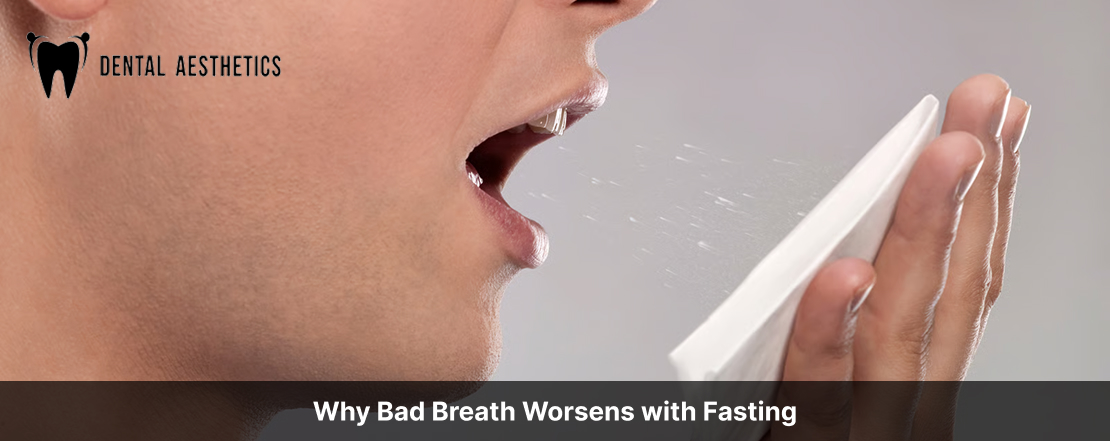
Decreased food and fluid intake during fasting affects the body in a few ways such as reducing saliva production, changing metabolism and dehydrating the body. Dry mouth allows bacteria to build up and leads to bad breath. During fasting, metabolism changes that occur in the body may also contribute to bad breath.
During Ramadan, the effects of bad breath and dry mouth from reduced saliva and fluid intake are compounded. The British Dental Journal states that these changes result in the breakdown of the balance required in the oral environment and lead to bad breath and other oral infections.
Habit or situation | How it may affect breath |
Tobacco Use | Smoking, paan, and sheesha dry the mouth and lead to bad breath |
Fasting | In the absence of fluid and food intake, bad breath becomes worse |
Garlic and Onion | Bad breath is improved when the foods that cause it are not consumed |
Caffeine | Dries the mouth, worsens bad breath and is best avoided |
The best way to manage bad breath that occurs from fasting is to practice good oral hy absolutely hygiene, give special attention to areas that tend to collect food, and floss and use a tongue cleaner if needed. Patients should consult their personal healthcare provider to manage any health issues that occur from the practices related to fasting.
Understanding Bad Breath: What to Expect During a Bad Breath Examination
When you have bad breath, more detailed evaluation by a dental professional is required, beyond giving you a sample of mouthwash. Dental Aesthetics mentions that, prior to the assessment, patients are required to refrain from eating for a period of two hours. During this time, dental personnel collect bacterial samples and discuss the patient’s symptoms and underlying medical conditions.
In addition to examining the tongue, gums, and teeth, the dentist may investigate areas of the mouth where food is normally trapped and/or check dental restorations and appliances.
The Dental Aesthetics team states that its bad breath assessment considers the patient’s symptoms and medical conditions and is done after the patient has refrained from eating for a period of two hours.
It is important to note that, in most cases, people are not able to reliably assess the quality of their own breath. A person may also think they have bad breath when, in reality, they do not.
A study in Lahore reported that only 13% of dental students and residents had their oral malodor evaluated by a dentist. Nearly two-thirds of participants (68%) self-medicated to address their bad breath. While the study restricted its sample to dental students and residents, it illustrates that individuals usually turn to self-care practices and products if their bad breath is persistent.
Bad breath is sometimes attributed to poor oral hygiene and plaque, which can be treated through professional teeth cleaning. Bad breath can also be caused by other conditions such as periodontal disease and tooth decay. Other practices, such as throat and tongue cleans and the use of saliva substitutes and mouthwashes, can also help improve bad breath. In cases where bad breath is caused by conditions outside the oral cavity, patients are referred to a physician.
By knowing the causes of bad breath, many of which can be treated, we see that the practices of professional bad breath treatment differ from the use of self-care products. Covering up bad breath doesn’t hide the condition that’s causing it.
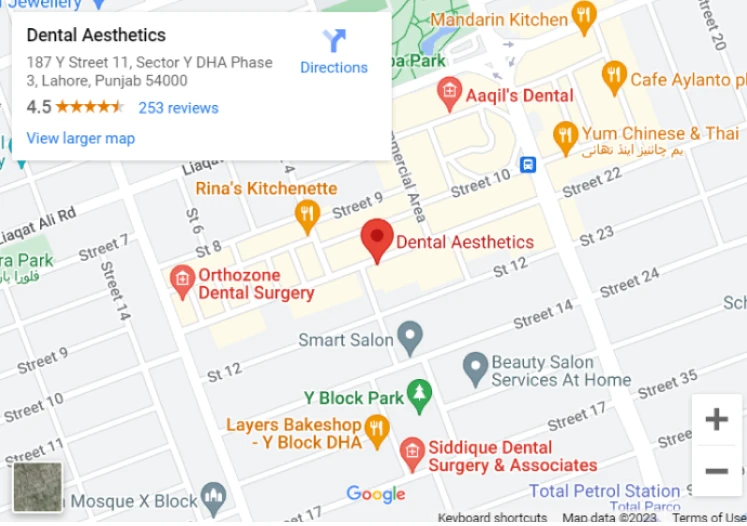
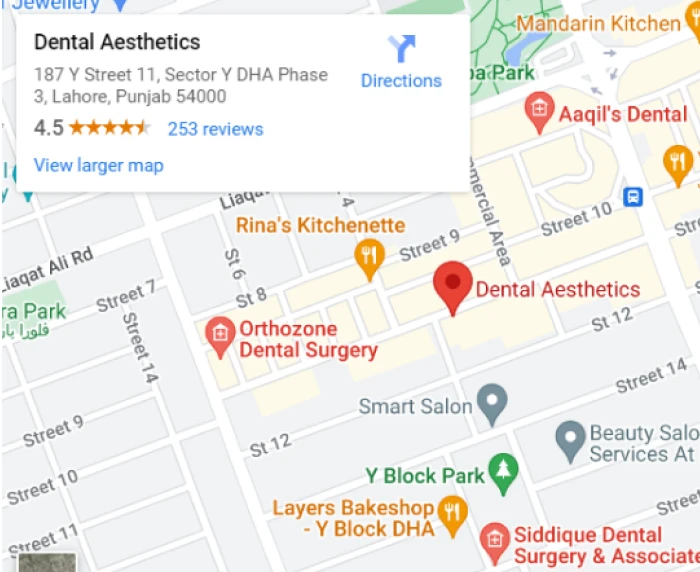
Dental Aesthetics has three practices in Lahore, located in DHA Phase 3, DHA Raya Phase 6, and Gold Crest Mall, DHA Phase 4. Information available on the web lists dental scaling and polishing and treatment of periodontal disease as some of the services offered.
What Works and What Doesn't for Bad Breath (Halitosis)

By knowing the causes of bad breath, many of which can be treated, we see that the practices of professional bad breath treatment differ from the use of self-care products. Covering up bad breath doesn’t hide the condition that’s causing it.
Long-term management of bad breath includes the following:
Control of the dental plaque, for which regular tooth and tongue cleans are essential
Dental floss, interdental cleaners and mouthwashes can be used to clean between teeth and may be of additional benefit
Mouthwash can be of benefit; however, this does not always resolve the problem
Can Mouthwashes Improve Bad Breath?
Mouthwashes can help cover up bad breath. Some mouthwashes can actually help get rid of bad breath. However, mouthwashes cannot address bad breath the way that brushing and flossing can. The American Dental Association states that there are mouthwashes that can help improve bad breath, but some are just cosmetic.
For the person who continues to have bad breath despite regular brushing and use of mouthwashes, there are a couple of possibilities. That person may want to consider things like the types of foods they are eating and if there are any medications that may be causing their bad breath.
Bad Breath: Causes and Permanent Cure

There are many things that can cause bad breath, and so there is no all-encompassing cure. Many times, if the cause is identified, the bad breath will resolve. For instance, if bad breath is caused by poor oral hygiene, then bad breath will go away with improved oral hygiene and may improve with professional cleaning. Bad breath caused by dry mouth treatment in lahore will only improve if the cause of the dry mouth is fixed. Likewise, bad breath caused by an infection will only improve if the infection is treated. Bad breath caused by digestive tract problems may not improve unless steps are taken to address it.
The reason why bad breath is permanently returning is that different people have different causes of bad breath. This is the reason why the correct question to ask is what is the cause of bad breath for this individual?
Dental Aesthetics mentions that it helps in treating the cause of bad breath rather than hiding the odor. It also mentions the various causes of bad breath, which include the type of food one eats, medication, and gum disease.
Bad Breath and its Medical Consequences
Some people tend to think bad breath is caused by stomach problems, but this is not always the case. Bad breath may be a result of a medical condition if it is persistent and dental causes have been ruled out. Some of these conditions may include disorders of the liver and kidneys or diabetes.
Whenever there are mouth sores or oral ulcers, together with persistent bad breath that is persistent, this may warrant an immediate visit to the dentist. The same case applies if one has bad breath together with a fever, swollen or enlarged gums, patches in the mouth, or other oral conditions that may be of concern.
Bad breath should not always be assumed to be from a serious condition. One should always rule out less serious causes first and ensure that it is being evaluated by the right professional.
When Should I Book Bad Breath Treatment in Lahore?
You should consider seeking professional help if you have bad breath for a long time, and you are not able to manage it with the recommended practices such as brushing, tongue cleaning, and interdental cleaning. Bad breath is often the first symptom of an underlying oral health issue. Along with bad breath, if you experience any of the following for a long time, you should see a dentist without delay: Swollen gums, bleeding gums, dry mouth, toothache, and an unpleasant taste in your mouth that you are not able to identify the cause of.
Bad breath may be managed by various methods; however, if the cause is not known, dental treatment should be considered. At Dental Aesthetics, they have specific treatments for bad breath. The assessment is done in detail to identify the cause of bad breath and manage it through specific dental treatments.
You can schedule an assessment for bad breath treatment at any of the Dental Aesthetics locations in Lahore: DHA Phase 3, DHA Phase 6, and Gold Crest Mall DHA Phase 4.
Frequently Asked Questions
What are the factors that cause bad breath?
The causes that are related to the mouth and throat are the main factors. Others are illnesses or disorders that are systemic in nature.
Can bad breath be caused by a condition of the stomach?
Stomach conditions are less likely to cause bad breath in comparison to oral conditions. Usually, bad breath is caused by conditions that are related to the mouth. If bad breath is caused by a systemic condition, it is better to consult a dentist to check for oral causes.
What is tongue coating bad breath?
Tongue coating is made up of bacteria and food debris. Bad breath is caused by the breakdown of food by bacteria. Tongue coating, therefore, contributes to bad breath. Bad breath is reduced if the coating on the tongue is removed.
Can bad breath be caused by tonsil stones?
Yes. Bad breath can be caused by tonsil stones since they are made up of decomposed food, other substances, and bacteria.
What is the role of a dentist in the treatment of bad breath?
A dentist examines a patient to assess the cause of bad breath. If the cause is not related to the mouth, then the dentist advises the patient to see other specialists.
Why is my bad breath worse during a fast?
Fasting leads to decreased saliva production, and Bad breath may be made worse by fasting-related changes to the body.
Does mouthwash get rid of bad breath?
Masking of malodor is the primary effect of using a mouthwash; however, some mouthwash formulations may help mitigate oral malodor. It is important to note, however, that use of a mouthwash should not replace standard care and treatment for periodontal disease and dental caries, as well as other causes of dry mouth and malodor.
Is it possible to get rid of bad breath?
The answer is no, as bad breath has many causes. In many cases, bad breath goes away when the cause is treated. In other cases, like dry mouth, bad breath may always be present.
What does a dentist do for bad breath?
Bad breath is caused by many things, such as foods we eat. Fasting decreases the production of saliva. This leaves bad breath even more noticeable. Not drinking enough while fasting can cause bad breath as well, because dehydration contributes to a dry mouth. Changes that happen during fasting can change the way breath smells. While bad breath may be worse while fasting, the only way to truly get rid of bad breath is to eat and drink.
What is the treatment for bad breath at a dentist’s office?
A dentist will evaluate your teeth, gums, and any other structures in your mouth. They will account for your symptoms and other factors such as your lifestyle and medical history. The team at Dental Aesthetics has a published protocol for assessment and management of bad breath. It involves a review of your symptoms and habits as well as a fast of at least two hours. If oral factors are contributing to bad breath, various treatments to manage bad breath may be offered if plaque and calculus are present, or if you have periodontal disease or other oral health issues.



Request An Appointment
Map
Timings
Monday - Saturday
11:00 am - 9:30pm
Sunday
12:00pm - 8:00pm