


Mouth Burns After Paan? It Could Be Oral Submucous Fibrosis. Here's What Yout Need to Know
May 11, 2026
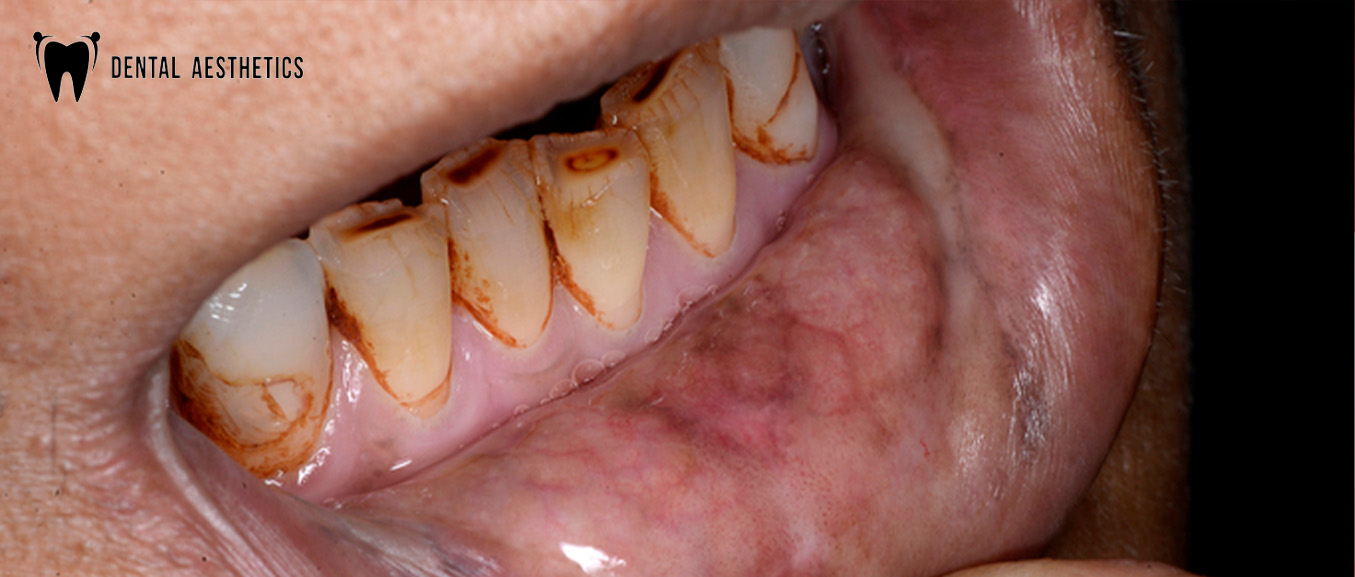
When your mouth burns whenever you take spicy food, and you have started noticing that your mouth does not open after you take paan, then it is no longer something that you can ignore. The first indication of oral submucous fibrosis (OSMF) is what most people attribute to gutka or chalia irritation, and it is a serious, progressive disease that is rapidly becoming an alarming epidemic in Pakistan.
Dentists are witnessing more young patients in their cities, such as Lahore, as young as in their 20s with symptoms such as burning mouth due to gutka, stiffness and limited mouth opening. The problem? The majority of them take an extremely long time to seek treatment.
At Dental Aesthetics Lahore, there are many patients who only appear when eating, speaking, and even smiling are hard. Oral submucous fibrosis at that point becomes a lot more difficult to treat, often requiring intervention from our oral maxillofacial surgery team. This guide will assist you in being aware of the initial symptoms, risks and most importantly, where and when to seek the correct treatment.
What Is Oral Submucous Fibrosis (OSMF)?
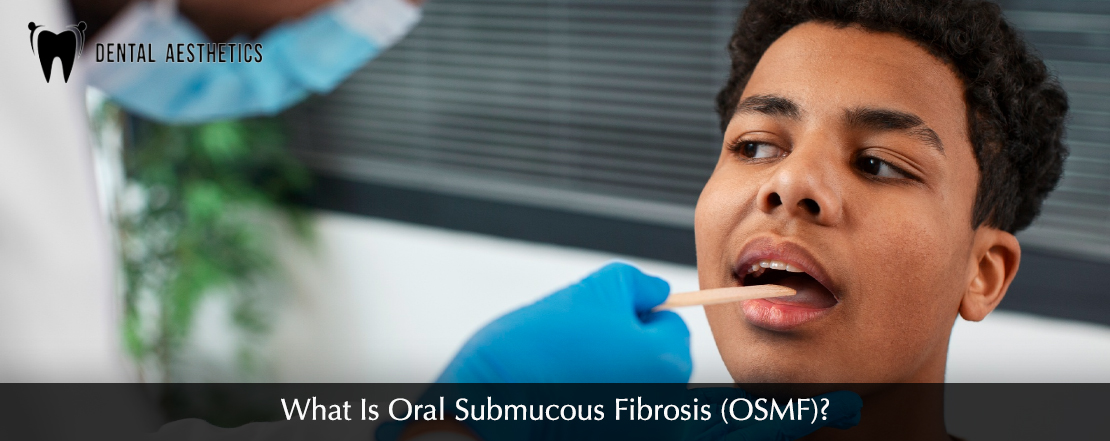
Oral submucous fibrosis (OSMF) is a long-term illness that affects the lining tissue within your mouth. It causes progressive stiffening of the oral mucosa because of over-accumulation of collagen in the submucosal tissue.
In the long run, this will lead to:
Development of fibrous strands in the mouth
Loss of cheek and lip mobility
Problem with opening the mouth (trismus)
It is categorized as a precancerous mouth disease, i.e. it may progress into oral squamous cell carcinoma (OSCC) should it not be treated in its early stages. Understanding how oral diseases escalate when ignored is covered in our guide on advanced gum disease treatment in Lahore. In other clinics, such as Dental Aesthetics Lahore, OSMF is not merely treated but monitored to avoid the effects in the long run, such as cancer.
Oral Submucous Fibrosis Symptoms You Can Never Ignore
Among the largest issues of oral submucous fibrosis (OSMF) is that the symptoms begin with mild symptoms and the patients procrastinate.
Mild Symptoms
Symptom | Patient Feeling |
Pain of burning | More particularly with hot food |
Mild dryness (xerostomia) | Urgent need to drink water |
Blanching | Oral lining that is white or paler |
Progressive Symptoms
Symptom | Impact |
Stiffness of the mouth following areca nut | Cheek stiffness |
Fibrous bands | Rope-like sensation of inside cheeks |
Minimal mouth opening | Difficulty in eating |
Advanced Symptoms
Symptom | Impact |
Severe trismus | Mouth has trouble opening |
Dysphagia | Difficulty swallowing |
Ulcers | Painful lesions |
When you are in need of a challenge in opening your mouth treatment, then the most likely reason is that it is due to oral submucous fibrosis.
In Dental Aesthetics Lahore, patients at an early stage are usually able to regain a lot of mouth opening once promptly treated, which is extremely difficult in the late stages.
Causes of Oral Submucous Fibrosis
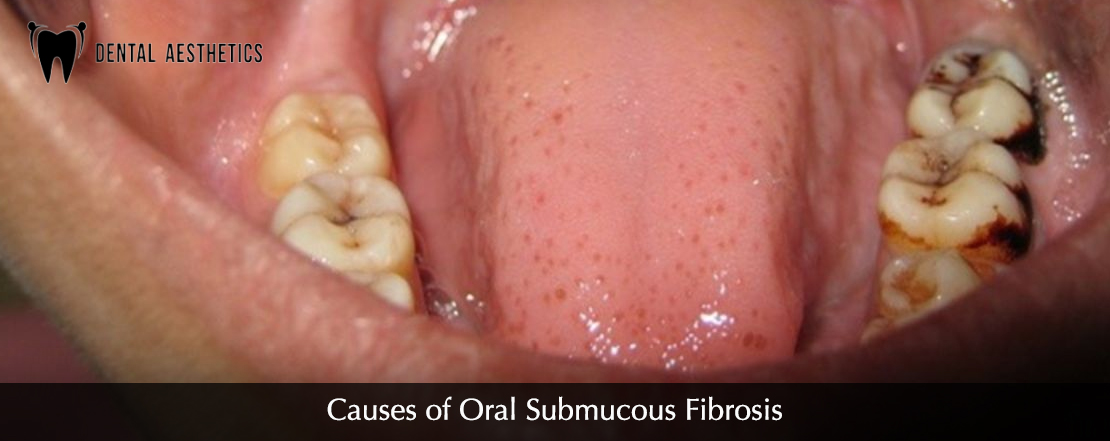
Oral submucous fibrosis (OSMF) has its underlying cause in the exposure to areca nut.
Cause | Effect |
Areca nut (chalia) | Stimulates the formation of collagen |
Paan (betel quid) | Repeated irritation |
Gutka/pan masala | Extremely toxic substance |
Tobacco | Increases the risk of cancer |
This is due to the chemical involved (arecoline), which interferes with the normal balance of tissues in the lamina propria, causing fibrosis.
The Reason Why Oral Submucous Fibrosis Cases are on the Rise
Ready availability of gutka even with restrictions
Acceptance of paan chewing in society
Increasing use among teenagers
Absence of early screening
Patients as young as 18 years old are presenting to dental clinics in Lahore and particularly DHA with symptoms of OSMF. Many of these cases are linked to the widespread belief that paan and chalia are harmless — a misconception addressed directly in our article on common dental myths you should stop believing.
Is Oral Submucous Fibrosis Pre-cancerous in the Mouth?

Yes, and here is the actual risk. Oral submucous fibrosis (OSMF) is a potentially malignant oral disorder (OPMD).
Risk Factors of Cancer
Factor | Risk |
Gutka continued to be used | High |
Tobacco mixture | Very High |
Late diagnosis | Severe |
Pakistan studies indicate a risk of 7-30% of transformation to oral cancer, and therefore, early treatment is necessary. The systemic consequences of untreated oral disease extend beyond the mouth — our article on how gum disease affects heart health illustrates the broader impact of oral inflammation on the body. At Dental Aesthetics Lahore, patients with OSMF are regularly reviewed on early changes of cancer- this is probably not a priority of most general clinics.
The Diagnosis of Oral Submucous Fibrosis by Dentists
Treatment for oral submucous fibrosis involves proper diagnosis. In the Dental Aesthetics Lahore, the procedure is well-organized and comprehensive.
Step 1: Oral examination
This helps in recognizing ulcers and blanching
Step 2: Palpation
Feel fibrous bands
Step 3: Measurement of the mouth opening
Measure the severity (interincisor distance)
Step 4: Biopsy (where necessary)
Diagnose and eliminate cancer
Early detection usually implies easier treatment and improved results. This is why patients with OSMF are best assessed by a qualified periodontist rather than a general practitioner.
At what time should you make an appointment?
You do not have to wait until you get serious symptoms.
You need to be evaluated in case you observe:
Scalding mouth due to gutka or hot foods
Stiffness of the mouth following areca nut
Reduced mouth opening
Problems with chewing or talking
These are typical initial symptoms of oral submucous fibrosis (OSMF), and early intervention can turn everything around.
Oral Submucous Fibrosis Stages: Why Staging is Important in the Success of Treatment
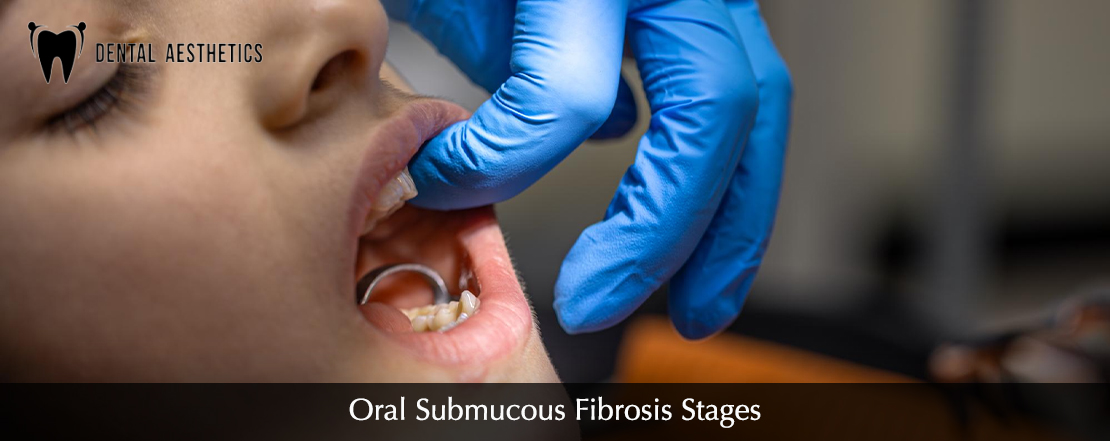
Learning the stages of oral submucous fibrosis (OSMF) is not simply a clinical practice; it directly reflects the extent to which your mouth can heal, what type of therapy is going to be required, and whether the disease can be reversed or not.
In dental clinics such as Dental Aesthetics Lahore in Lahore, one of the initial stages of constructing an individualized treatment plan is staging.
Clinical Stages of Oral Submucous Fibrosis
Stage | Characteristics | Mouth Opening | What It Means to You |
Stage 1 | Burning pain, slight inflammation | Normal | Usually overlooked, completely reversible |
Stage 2 | Early fibrous bands, stiffness of the mouth | Minimal restriction | Best stage to treat non-surgically |
Stage III | Thick fibrous bands, loss of elasticity | 15-25 mm | Eating and talking are challenging |
Stage IV | Severe trismus, precancerous changes | <15 mm | High risk of cancer, surgery can be necessary |
The patients who are diagnosed between Stage I and II tend to respond well to early intervention. Most of these cases can be successfully treated without surgery at Dental Aesthetics Lahore through the combination of injections, physiotherapy, and cessation of bad habits.
The issue is that the majority of patients do not address the issue until Stage III when oral submucous fibrosis has already resulted in severe restrictions. Our article on the potential risks of ignoring oral disease symptoms explains exactly why delay makes things so much harder to treat.
What Goes on in Your Mouth? (The Hidden Damage in OSMF)
You must peep under the carpet in order to appreciate oral submucous fibrosis (OSMF). Your experience of burning, stiffness and tightness is only the tip of the iceberg, the surface of structural damage.
Excess collagen accumulation: Exposure to areca nuts results in the body producing excess collagen. This collagen builds up in the submucosal tissue, making the lining thick and inelastic.
Reduced blood supply: As fibrosis increases, blood vessels become constricted. This leads to the typical blanching of oral mucosa - a pallor, near-marble-like look.
Rigid buccal mucosa: The inner cheeks lose their elasticity and therefore, the patients experience tightness or pulling of the mouth when it opens.
Fibrous bands formation: These rings are even palpable in examination - they restrict mobility and are a characteristic of OSMF.
Soft palate involvement: At more severe stages, fibrosis spreads to the throat resulting in difficulty with swallowing (dysphagia).
Such a combination is why patients have both burning mouth and gutka and mouth stiffness after areca nut, a characteristic pattern of symptoms which is highly suggestive of oral submucous fibrosis.
Management of Oral Submucous Fibrosis in Pakistan
People who go online and look into the treatment of oral submucous fibrosis in Pakistan are likely to be hoping that they will see a quick fix, a pill or procedure that will cure the situation overnight. It is not the way OSMF works.
There is no instant cure for oral submucous fibrosis (OSMF). Nevertheless, it can be treated with the help of the appropriate treatment strategy, which allows:
Stop disease progression
Improve mouth opening
Reduce discomfort
Lower cancer risk
In Dental Aesthetics Lahore, care is organized, progressive, and customized, not one-size-fits-all care.
Treatment of Oral Submucous Fibrosis in Pakistan
At Dental Aesthetics Lahore, we will ensure that you receive the appropriate treatment for oral submucous fibrosis such as the following:
1. Habit Cessation
Treatment will not help until the cause is removed. Patients are guided to completely stop:
Paan (betel quid)
Gutka and pan masala
Areca nut (chalia)
This usually involves behavioral counseling, particularly among chronic users. Oral submucous fibrosis will progress without abstinence, no matter how much medical treatment is administered. Chronic areca nut use also raises the risk of other oral mucosal conditions — our article on oral thrush in adults explains how the oral environment becomes vulnerable when the balance of tissues is disrupted.
2. Core Clinical Treatment (Injection Therapy)
One of the most effective methods of treating OSMF in its initial and intermediate stages is by injection-based therapy.
Injections in OSMF
Treatment | Function | Outcome |
Triamcinolone (corticosteroid) | Lessens inflammation | Makes it less painful |
Hyaluronidase | Lyses fibrous tissue | Enhances mouth opening |
PRP (Platelet Rich Plasma) | Foster regeneration | Healing |
The PRP particularly, is promising and is widely utilized in Pakistan. In Dental Aesthetics Lahore, it is provided in advanced treatment protocols to appropriate patients.
3. Nutritional Therapy (Frequently Forgotten but Vital)
Nutritional deficiency increases tissue damage and retards healing in oral submucous fibrosis (OSMF). The following are the recommended supplements to aid your diet as part of your treatment:
Supplement | Why It Matters |
Vitamin B-complex | Helps in repairing nerves and tissues |
Iron | Enhances the supply of oxygen |
Vitamin C | Assists in normalizing collagen formation |
This is a supportive therapy that is significant towards enhancing the outcomes of treatment.
4. Trismus (Restoring Mouth Opening) Physiotherapy
Trismus, the inability to open the mouth wide, is one of the most debilitating manifestations of oral submucous fibrosis. Patients of Dental Aesthetics Lahore are provided with personalized trismus dental treatment exercise plans.
These include:
Gradual mouth-opening exercises
Use of tongue depressors or devices
Daily stretching routines
Consistency is critical. Patients who adhere to physiotherapy procedures tend to resume normal functionality in the long run. Building daily oral health habits alongside treatment is equally important — our guide on maintaining a healthy teeth daily routine provides a practical framework to support recovery.
5. Surgical Treatment (Only in extreme cases)
Non-surgical approaches might not be sufficient when oral submucous fibrosis (OSMF) is at advanced stages.
Procedure | Purpose |
Z-plasty | Dissection of fibrous bands |
Mucosal grafts | Substitute tissue damage |
Dental Aesthetics Lahore regards surgery as a last resort, only in cases where the ability to open the mouth becomes very limited, and the quality of life is a major issue.
Is there a Reversal of Oral Submucous Fibrosis?
It is among the most significant questions that patients ask, and the answer to it all depends on time.
Early Stage: Fully reversible
Moderate Stage: Partially reversible
Advanced Stage: Irreversible
This is the reason why early diagnosis is being made such a strong focus at Dental Aesthetics Lahore. Early treatment can prevent complications throughout life.
Who is the Most Affected by Oral submucous fibrosis (OSMF) in Pakistan?
Oral submucous fibrosis (OSMF) is no longer a disease of elderly people, but is becoming more common among young people.
Group | Risk Level |
Men aged 20-39 | Highest |
Teenagers who use gutka flavoring | Quickly rising |
Prolonged users of paan | High risk of the disease. |
In Lahore, clinics are reporting a significant increase in the number of young patients, in part, because of flavored, packaged areca nut products, which are being promoted as harmless.
The Reason Why Dental Aesthetics Lahore is the Best Dentist Clinic for Oral Submucous Fibrosis Treatment
In the process of seeking oral submucous fibrosis treatment in Pakistan, the selection of the clinic is important. Patients prefer Dental Aesthetics Lahore due to:
Significant exposure to mouth disease from paan chewing
Emphasize reversal of oral submucous fibrosis (OSMF) at an early stage
Access to PRP and sophisticated injection treatments
Trismus physiotherapy
Continued surveillance of cancer
More to the point, the clinic is focused on patient education and early intervention, assisting people in controlling their illness before it is too late.
Conclusion: Early Symptom Early Intervention Saves Lives
Oral submucous fibrosis (OSMF) is one of those diseases that do not seem to be urgent at first - some burning, some tightness, a bit of dryness. However, behind those mild symptoms, there may be a gradual and irreversible process that is already taking place. The discomfort is not the only problem with oral submucous fibrosis, but its long-term effects make it particularly harmful. The disease may permanently limit the mouth opening, disrupt eating and speech and become a major risk factor to the development of oral cancer as the disease advances. In such a nation as Pakistan, where the consumption of paan, gutka, and chalia is socially accepted, the issue usually remains unnoticed until its high levels.
The point is quite straightforward: timing is everything. If detected early, oral submucous fibrosis (OSMF) can often be reversed. Otherwise, it might be a lifelong condition that has to be managed in a complex way, and if left unattended, it can advance to a stage that can be life-threatening.
This is where it counts when one finds care in the appropriate location. As opposed to treating symptoms, clinics such as Dental Aesthetics Lahore in Lahore are based on early diagnosis, structured management and long-term monitoring of the disease, which is vital in stopping the disease progression. You can learn more about the full scope of oral disease care through our gum disease treatment service.
With even mild symptoms such as a burning mouth caused by gutka, stiffness of the mouth after areca nut or inability to open your mouth, do not wait until things get worse. The time of consultation is crucial as it may be the difference between straightforward, non-invasive care and complicated treatment in the future.
Frequently Asked Questions
Q. What is oral submucous fibrosis (OSMF) in simple terms?
The disease SMOF is the stiffening and reduced elasticity of the inner lining of your mouth with age. If you are also experiencing gum inflammation alongside these symptoms, our guide on gingivitis treatment in Lahore covers the overlap between gum disease and oral mucosal conditions. This occurs due to over-accumulation of collagen that is primarily due to chewing areca nut (chalia), paan, or gutka. The disease becomes even more difficult to open your mouth, eat, or talk due to its progression.
Q. What are the initial symptoms I need to be aware of?
Initial symptoms of oral submucous fibrosis are usually mild and can be easily overlooked. These include:
- Pain during the consumption of spicy food
- Mildly tight cheeks
- Dryness in the mouth
- Pale or whitish in the mouth
These symptoms may present several months or even years prior to severe restriction, and this is why early assessment is important.
Q. Why does my mouth burn when I eat gutka or paan?
The irritation and inflammation of the oral mucosa by areca nut and tobacco chemicals result in the burning sensation. In the long-run, these substances cause alterations resulting in oral submucous fibrosis (OSMF). The initial irritation may later degenerate into fibrosis and stiffness.
Q. Can oral submucous fibrosis turn into cancer?
Yes. Oral submucous fibrosis is a pre-cancerous mouth condition. Research reveals that it has a risk of 7-30 percent chance of developing into oral cancer, especially when the habit (gutka, paan, tobacco) is not stopped. That is why it is necessary to monitor and treat them in the early stages.
Q. Can OSMF be treated permanently?
Oral submucous fibrosis (OSMF) is not treated with any permanent cure. However:
- Cases that are in the initial stages can be reversed
- Much can be done in moderate cases
- The more severe cases are manageable, though not reversible
The treatment is aimed at preventing progression, enhancing the ability to open the mouth, and to reduce the risk of cancer.
Q. What is the treatment of oral submucous fibrosis in Pakistan?
Treatment of oral submucous fibrosis in Pakistan is normally comprised of:
- There should be total elimination of gutka, paan, and chalia
- Injection therapy (hyaluronidase, PRP, steroids)
- Nutritional supplementation
- Mouth opening physiotherapy
- Surgery in severe cases
Dental Aesthetics Lahore is an advanced clinic that provides a combination of the treatments depending on the stage of the patient.
Q. What is the length of treatment with OSMF?
The duration of treatment differs, based on severity:
- Early-stage: Several months
- Moderate stage: A number of months and frequent follow-ups
- Late stage: Long-term management
Exercise adherence and discontinuation of habits are significant factors in the speed of recovery.
Q. Can I just reduce gutka instead of quitting completely?
No. Even minimal quantities of gutka or areca nut may still be able to progress oral submucous fibrosis (OSMF). Treatment requires total ceasing in order to be effective.
Q. Who will get OSMF most likely?
The most at-risk populations in Pakistan are:
- Men aged 20-39
- Adolescents who smoke flavored gutka or pan masala
- Paan and chalia users who are long-term users
Nevertheless, oral submucous fibrosis can be caused by anyone who frequently takes areca nut products.
Q. Will my mouth opening come back to normal?
Yes, when early diagnosed, opening of the mouth can be restored to near normal with treatment and physiotherapy. During the late-stages, recovery can be improved, but it is not as probable as complete recovery.
Q. When do I need to visit a dentist?
You are advised to visit a dentist at once in case you observe:
- Persistent burning sensation
- Mouth stiffness
- Reduced mouth opening
- Problems with swallowing or talking
Serious complications and invasive treatment may be prevented or minimized by the early identification of oral submucous fibrosis (OSMF).
Q. Why do I want to go to a specialized clinic to treat OSMF?
Oral submucous fibrosis must be carefully staged, treated in a structured way and monitored. Beyond OSMF management, patients with tissue damage may also benefit from our restorative care service to address structural changes caused by long-term fibrosis. In Lahore, special clinics such as Dental Aesthetics Lahore provide:
- Early detection protocols
- Sophisticated treatment such as PRP.
- Customized physiotherapy plans
- Continued monitoring of cancer risk.
This degree of attention greatly enhances the result of general treatment modalities.



Request An Appointment
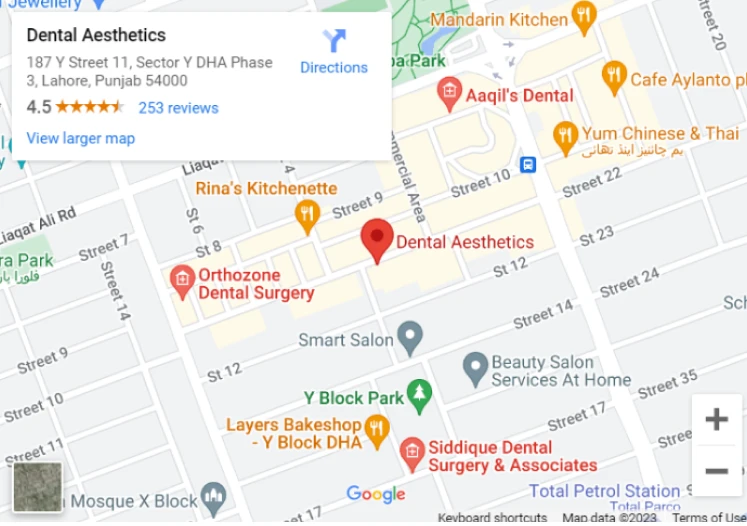
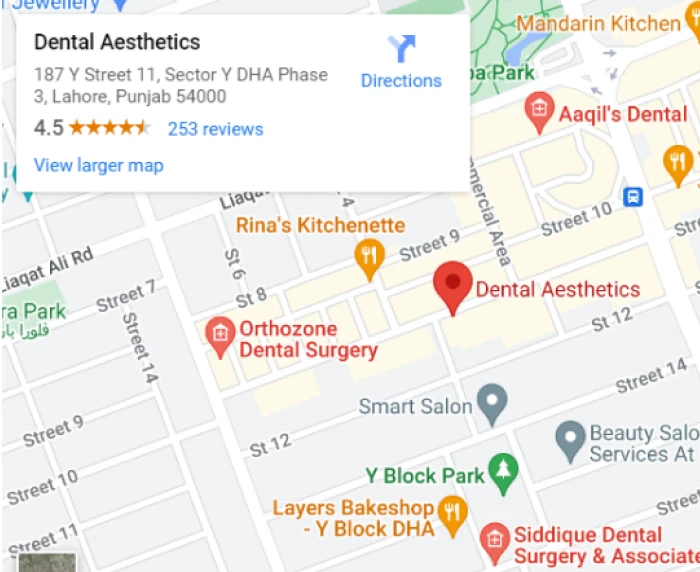
Map
Timings
Monday - Saturday
11:00 am - 9:30pm
Sunday
12:00pm - 8:00pm