


Composite vs Amalgam Fillings: Which Is Better for Your Teeth?

September 8, 2026
There are advantages and disadvantages associated with each filling type. The following information may be helpful when you are trying to decide which material to choose for a dental restoration.
Composite fillings (tooth colored fillings) are made of a mixture of resin and other materials and are typically bonded to the tooth. Amalgam (silver-colored metal filling) is made of a mixture of metals, including mercury. Composite fillings have many benefits and are often the material of choice for restorations.
What Are Composite and Amalgam Fillings Actually Made Of?
Composite material is malleable and reduces in consistency when it comes into contact with air. It hardens when exposed to light and, like amalgam, is shaped to fill the cavity. Strength and durability are the main benefits of using amalgam fillings. Composite is primarily used in the composite bonding services, while amalgam is predominantly used to restore function in posterior teeth.
There are many different materials available for dental restoration, and the choice is often dependent on many factors. Your dentist may recommend other restoration materials, such as ceramic and glass.
White Fillings vs. Silver Fillings
The term ‘white fillings vs. silver fillings’ is a simpler way of looking at the pros and cons of using composite versus amalgam restorative materials. Amalgam has the benefit of having been used in restorative dentistry for more than a century. Composite materials are more aesthetic and can bond to the natural tooth structure.
Factor | Composite filling | Amalgam filling |
Appearance | Can be color-matched to the adjacent tooth | Silver-gray color, visible restorative material |
Bonding | Adhesively bonds to tooth | Retained by cavity shape |
Preparation of Tooth | Preparation of Tooth | Generally requires less removal of tooth structure |
Back teeth | Can be used, including molars | Traditionally common in posterior teeth |
Cost | Often higher | Often lower |
Mercury | Mercury-free | Contains elemental mercury |
Current regulatory direction | Mercury-free alternative | Global phase-down under Minamata Convention |
Other | Best used on teeth that will not be load-bearing teeth | Best used on loading-bearing molar teeth |
Dental amalgam is composed of a mixture of elements, including silver, mercury and other metals. The term ‘silver fillings’ is a misnomer and is not correct from a scientific standpoint.
Composite vs Amalgam Fillings: Which Is Better for Back Teeth?
There are pros and cons to each material and each of their appropriate uses. The bonding of composite material to tooth structure can be particularly useful when restoring larger portions of the back teeth. The strength of a restoration can be improved when a larger quantity of tooth structure is removed.
Composite materials have historically been undependable, but that is changing. Outdated clinical studies usually use dated composites to represent the entire composite material system. This has unduly influenced the preference for the use of dental amalgam in a good number of clinicians. The focus should not be on the need to use the same material in all teeth in a given arch. Each tooth should be evaluated independently based on its current condition.
How Long Do Composite Fillings Last vs Amalgam?
When asking how long composite fillings last vs. amalgam, the most accurate answer is that the research does not support one simple lifespan for everyone. Traditionally, amalgam restorative materials were the restorative material of choice for permanent posterior restorations. More recently, numerous clinical studies and systematic reviews have concluded there was no statistically significant difference in the overall failure rates between amalgam and other restorative materials.
In 2021, Cochrane reviewed eight studies and found low-quality evidence indicating composite restoratives had a failure rate of 14.2% and amalgam restoratives had a failure rate of 7.5% for permanent posterior restorations. The review noted that the composites in the studies were made several years prior, and amalgam restorations are thought to stimulate carious activity; thus composition restorations may have a higher failure rate due to carious activity.
A 2015 systematic review and meta-analysis support these findings and showed composite restorations had a higher incidence of secondary caries compared to amalgam. A more recent 2025 systematic review and meta-analysis, which included 13 studies, found the failure rates for amalgam and composite restorations were similar. The review noted there was a considerable amount of variability in the included studies.
2015 meta-analysis: Composite showed lower longevity than amalgam
2021 Cochrane review: Composite had almost twice the failure rate
2025 systematic review/meta-analysis: No statistically significant difference
Current clinical interpretation: Material is only one longevity factor
Patient and tooth factors determine material longevity. It is likely that in the future, researchers will abandon the "X years" recommendation and focus on providing contextual evidence to support material longevity claims. A number of factors may affect the length of time a dental restoration lasts. These include:
Oral hygiene of the patient
Patient’s susceptibility to cavities
Nighttime tooth grinding (bruxism)
Age of the patient, the size of the decayed area of the tooth
The number of surfaces of the tooth that need to be restored
A systematic review found that the most common reason for the failure of resin-based restorations was secondary caries. With regard to failures of metal-based restorations, the review found that the main reason was breakdown of the restoration.
The authors of the reviewed studies in the 2021 Cochrane review concluded that there were flaws in the studies and therefore the older studies should not be used as the final word on the topic.
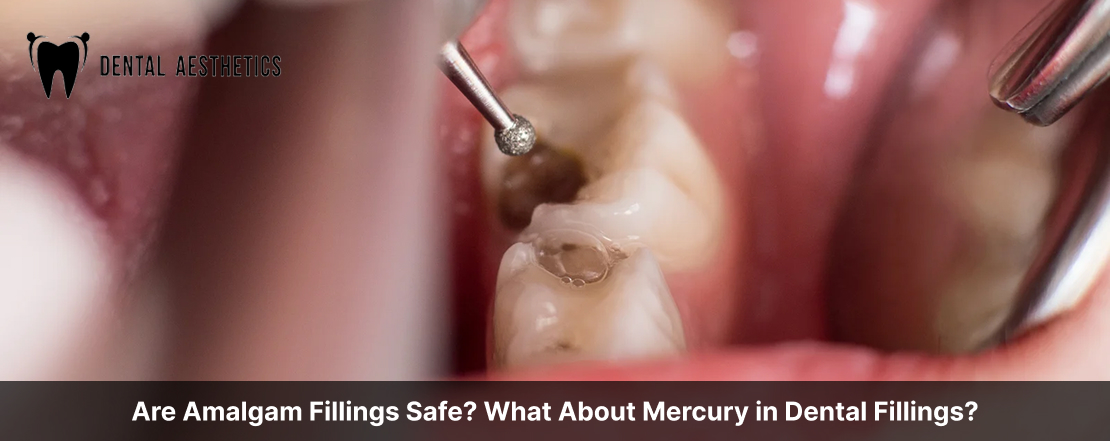
The evidence suggests that dental amalgam does not negatively affect patient health; however, the U.S. Food and Drug Administration recommends that in certain patient groups (e.g., pregnant patients, patients under the age of 6, patients with certain neurological disorders, patients with renal disease, patients who are mercury sensitive, and patients with amalgam sensitivity) mercury-containing dental restorations not be placed and that other restorative materials be used instead. The U.S. Food and Drug Administration recommendation is not an endorsed negative opinion on dental amalgam.
The ADA reiterated its statement in 2020 that amalgam restorations are safe and effective and endorsed keeping amalgam restorations in place if they are not medically necessary to remove.
Should I Have My Amalgam Fillings Removed?
If you have amalgam fillings and are thinking about having them removed, it is unlikely that your dentist will recommend the removal of a sound amalgam restoration. If a restoration is removed, there is a risk of further damage to the tooth. Amalgam restorations are removed only if they do not function properly or if there is a significant loss of tooth structure.
A dentist may recommend the removal of an amalgam restoration if there is decay or if the amalgam has broken or worn down to the extent that it no longer functions properly.
A sound amalgam restoration is functional and does not require removal. If you are concerned about an amalgam restoration, your dentist can evaluate it and recommend removal only if it is functioning poorly.
Amalgam Fillings During Pregnancy and Composite vs Amalgam for Children
Amalgam fillings have a definite place in restorative dentistry, however if you have other options available to you, i.e. if you are pregnant or a child under the age of 6, the use of amalgam is discouraged. The decision to have a dental restoration placed should be based on your particular needs.
Amalgam Fillings during Pregnancy: According to the FDA, it’s preferable to not use amalgam fillings during pregnancy because it considers pregnancy to be an at-risk condition where additional exposure to mercury may be detrimental. The FDA also states that amalgam fillings already placed in a pregnant woman’s mouth do not require removal.
Composite vs Amalgam for Kids: The FDA states that children under the age of 6, fall in the at-risk category, and amalgam fillings should be avoided if other restorative options are available. The final decision is determined by the condition of the child’s tooth and cavity.
Are Composite Fillings Better Since They Require Less Drilling?
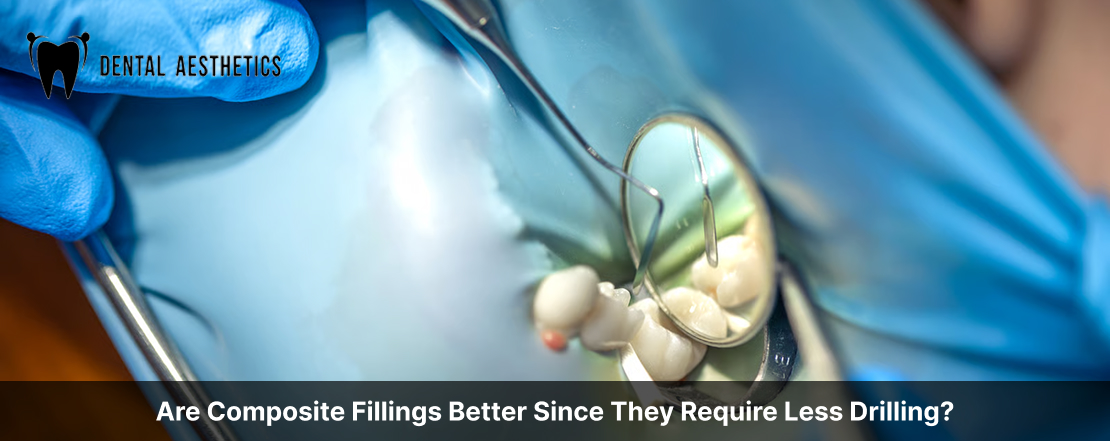
Traditionally, amalgam restorations require a larger cavity preparation, and composite restorations allow for a more conservative cavity preparation because composite resin bonds to tooth structure.
A conservative cavity preparation doesn't always correlate to less drilling and removal of tooth structure, because the amount of decay and the condition of the tooth need to be taken into consideration. At Dental Aesthetics, the clinic mentions conserving tooth structure by removing infected or decayed portions, and offers various restorative treatments including laser/white fillings.
Do Composite Fillings Stain? What About Sensitivity After Placement?
Natural composite materials can look beautiful in restorations; however, patients have to be reminded that composite resins are stained by food and drink. Composite resins can also lose their color over time.
Patients do experience temporary sensitivity to hot and cold after restorative treatments. Sensitivity was reported in a Cochrane review assessing composite and amalgam restorations; therefore, it is not a concern that has been raised only by patients.
It is always best to contact your dental provider if you are experiencing sensitivity or other concerns that do not improve or get better over time.
Are Amalgam Fillings Banned or Being Phased Out?
Mercury fillings do not equal a global safety ban. A global effort to ban the production and use of dental amalgam exists (the Minamata Convention); however, this effort is focused on reducing global mercury pollution and is not an indictment of the safety of dental amalgum.
The phase-out of dental amalgum for environmental reasons does not equate to an immediate concern for safety and need not be interpreted as such.
A dental office in one country may have the ability to provide several options for restorative materials, while a dental office in another country may only be able to offer dental amalgam. Thus, patients in Lahore should be informed about the options available at their dentist’s office.
Glass Ionomer vs Composite vs Amalgam: What Other Options Exist?
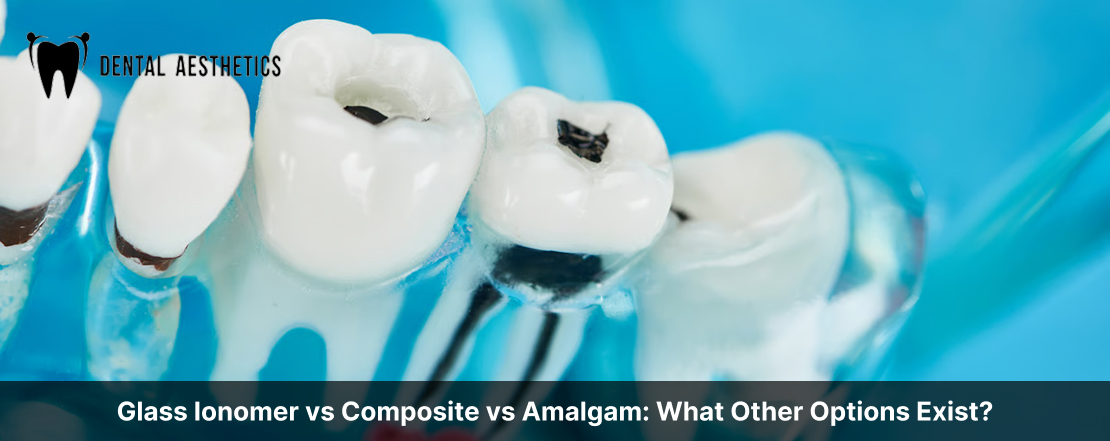
When comparing glass ionomers and composite resins, both can be considered as restorative materials. Glass ionomers can be used for restorations with cavities that are in contact with the gingiva (gum line) and for restorations in children. When a large restoration is required, an onlay or inlay can be made out of ceramic and bonded to the tooth.
When choosing among these options, a dentist takes into consideration the location of the cavity, the size of the cavity, how deep the cavity is, the amount of tooth structure that remains, the way the patient bites, and the aesthetic concerns of the patient.
How Much Does a Filling Cost in Lahore?
A variety of factors cause the cost of a dental filling in Lahore to vary. These include the material used, the size of the cavity, the number of walls of the cavity that are involved, the location of the tooth, and how many teeth are being restored. The cost also may vary if additional diagnostic X-rays are necessary.
When considering amalgam fillings versus composite fillings, patients should keep in mind that composite resin restorations may be more costly, but there are other considerations.
Cost Factor | Why it Affects your Fee |
Filling material | Different materials and techniques have different costs |
Cavity size | Larger restorations require more clinical time and material |
Number of surfaces | A one-surface restoration differs from a multi-surface restoration |
Tooth location | Posterior teeth may require more complex restoration |
Diagnostics | X-rays or additional examination may be needed |
Number of teeth | Treating several teeth changes appointment time and total cost |
Restoration complexity | Deep, fractured or heavily damaged teeth may need additional treatment |
"Tooth filling costs in Pakistan" are typically quoted without an evaluation of the tooth. Misleading quotes may create the perception that dental treatment in Pakistan is affordable. However, this is not always the case. Superficial analysis of treatment costs may lead to poor choices in restorative dentistry. A more expensive restorative option may be more cost-effective over the long-term.
At Dental Aesthetics, costs are quoted after an evaluation of the patient. The clinic is located in Lahore and offers a range of dental services. It also lists the use of composite resins for restorative treatment.
Composite vs Amalgam Fillings: Which Should You Choose?
The practical decision in composite vs. amalgam fillings should be made after the dentist examines the tooth. There are several factors worth discussing during your consultation.
Your situation | What your dentist may consider |
Front tooth | Shade and appearance |
Small cavities | Preparation and aesthetics might favor composite |
Large restorations | Strength and tooth structure, particularly in masticatory forces |
Grinding | Occlusal loading and bruxism |
At risk for decay | Prevention of decay |
Cosmetic concerns | Tooth colored restorations |
Financial concerns | Cost-benefit analysis |
Pregnancy/young child | Higher risk materials according to FDA |
This is not a diagnostic checklist.
Composites can be used for a variety of restorations. A discussion on grinding and bruxism teeth grinding in lahore should account for patient concerns related to masticatory forces on large restorations, while small cavities might justify the use of a more esthetic restoration. Financial considerations should account for the cost of the restoration and the complexity of the procedure. Factors related to pregnancy should account for the FDA's recommendations, but these should not greatly impact the restoration considered.
Ultimately, a variety of restoration materials can be considered based on the concerns of the patient and the recommendations of the dentist.
Fillings at Dental Aesthetics, Lahore
Restorative dentistry at Dental Aesthetics comprises of a range of dental procedures that aim to restore the function and health of naturally decayed or damaged teeth. The philosophy of the dentists at Dental Aesthetics to restore a decayed tooth is premised upon biological, mechanical and esthetic principles in a preventive approach to preserve as much of the healthy tooth structure as possible.
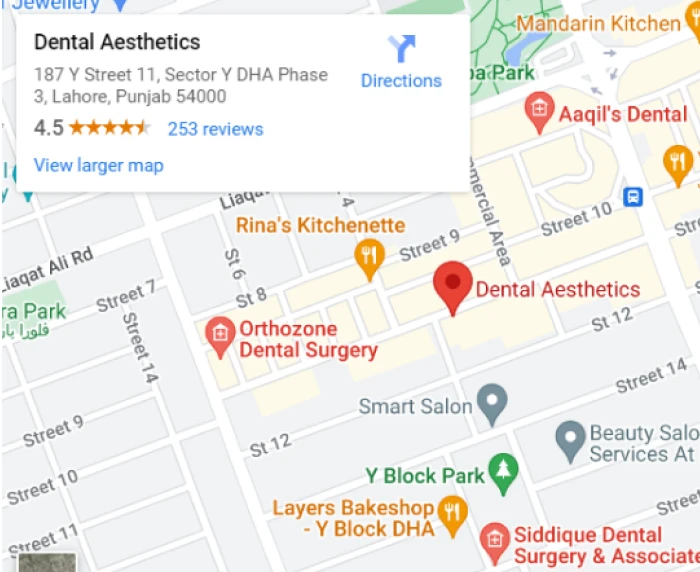
The branch locations of Dental Aesthetics include: DHA Phase 3, DHA Raya Phase 6 and Gold Crest Mall, Lahore. The clinic's website gives information on Dr. Shahzad Mirza and his postgraduate training in Aesthetic and Restorative dentistry. It also gives details of other dental specialists.
Prior to restorative treatment for a decayed tooth, a consultation is offered to allow the dentist to assess the extent of decay and determine the most appropriate restoration. Factors to consider when selecting a restoration for a decayed tooth include the individual's oral health goals and personal preferences.
Book your consultation at Dental Aesthetics Lahore for an evaluation of your tooth by a dentist and to discuss tooth colored filling options.
Conclusion: Composite vs Amalgam Fillings
The main differences between the two are the color and the durability. Amalgam fillings are made of various metals and do not bond to the tooth; therefore, more of the tooth structure is removed to make room for the amalgam to be placed. Composite fillings are tooth colored and made of resin; therefore, they do not require the removal of as much of the tooth structure.
Amalgam fillings are less expensive to place and more durable than composite fillings. According to the ADA, amalgam fillings are recommended for use in children, certain patients with special needs, and patients who do not return for follow-up appointments or are lost to follow-up. Composite fillings are recommended for all other patients.
Posterior composite fillings do not last as long as amalgam fillings and may not be as durable in high-stress areas of the mouth, such as the molar region.
If the patient is more concerned about the placement of amalgam fillings due to concerns of possible negative health effects, they should be reassured that the FDA and ADA believe that the available evidence does not support adverse effects on the patient’s health due to the placement of amalgam fillings.
In this practice, all new patients are provided an examination to assess their oral health. Based on the findings of the examination, the patient is provided with an explanation of all possible treatments, including restorative treatments. Patients are also provided an opportunity to ask questions to assist them in understanding their diagnosis and available treatments.
Frequently Asked Questions
Is it safe to get amalgam fillings removed while pregnant?
According to the FDA, it is recommended that pregnant women not be given new amalgam fillings and that pregnant women are in the group of people who may be more susceptible to the effects of mercury. It does not recommend removing a pregnant woman’s amalgam filling unless it is damaged and/or causing an infection.
Can kids get amalgam fillings?
Children can receive different restorative materials depending on their clinical circumstances, but the FDA identifies children, especially those under six, as a higher-risk group and recommends considering non-mercury alternatives where possible and appropriate.
Do I have to get my amalgam fillings replaced?
Not simply because they are amalgam. If an existing filling is sound and intact, routine removal is not generally recommended solely because of mercury concerns. Replacement may be appropriate when there is decay, fracture, wear or another clinical problem.
Do fillings discolor over time?
Composite fillings can develop staining or colour changes over time, particularly around exposed margins. Their appearance can remain highly natural, but composite is not completely stain-proof. Your dentist can assess whether polishing or replacement is appropriate if staining becomes significant.
Can composite fillings be done on back teeth?
Composite fillings can develop staining or colour changes over time, particularly around exposed margins. Their appearance can remain highly natural, but composite is not completely stain-proof. Your dentist can assess whether polishing or replacement is appropriate if staining becomes significant.
Are dental amalgam fillings banned in Pakistan?
In Pakistan, amalgam fillings are not banned. Internationally, many countries have agreed to restriction the use of amalgam under the Minamata Convention on Mercury. Gradual bans and restrictions on dental amalgam are anticipated. Availability of options can be variable, and patients are encouraged to discuss their options with their dentist.
Why are composite fillings more expensive?
The major reason for the higher cost of composite fillings is that composite resins are more expensive than amalgam. Other reasons include the involvement of more steps, skills and experience of the dental professional. Location of the tooth, size of the cavity, and other factors can also impact the cost.
How long do I have to wait before eating after a filling?
Depending on the type of filling and the procedure, your dentist will give you specific instructions regarding when it is OK to eat. For a composite filling, the restoration sets almost immediately, and you can eat right away, but the anesthetic will numb the area for a few more hours, so you will need to be careful.



Request An Appointment
Map

Timings
Monday - Saturday
11:00 am - 9:30pm
Sunday
12:00pm - 8:00pm