


Sensitive Teeth Treatment in Pakistan: Causes, Cures & Cost
August 3, 2026
Almost all individuals suffering from Dentin hypersensitivity in Pakistan still remain untreated. Activities such as drinking cold water or eating sweets sting; so, some just switch toothpaste and avoid that painful side of the mouth. Unfortunately, many individuals are naive towards the actual reason for mouth sensitivity.
People are often misled by the simple phrase 'treatment for sensitive teeth'. In reality, there is a myriad of options when treating sensitive teeth. Firstly, the reason for the tooth's sensitivity must be identified. Some issues can be fixed, while others require the individual to stop a particular habit for the treatment to be truly effective. Being aware of this can significantly decrease your discomfort.
What is Tooth (Dentin) Hypersensitivity?
Tooth sensitivity is clinically known as dentin hypersensitivity. This is characterized by short, shooting pains that are caused by the direct or indirect exposure of dentin to stimuli. This can occur due to the intake or exposure of cold or hot foods and drinks, tooth contact, and even brief exposure of the tooth to air. Diagnosis often requires exclusion of other conditions and/or diseases by a dentist.
Though this may sound complicated, it actually is one of the more encouraging symptoms in dentistry. Your dentist understands that not all sensitive teeth just have "sensitivity" and explores other causes. Cavities, cracks, or inflamed nerves can be discovered and treated to avoid bigger problems later.
This condition has many names like dant ki sensitivity, sensitive teeth ka ilaj, and many others, but they all refer to the same mechanism.
Sensitive Teeth Causes: What Is Actually Damaging the Tooth?
Many people think that tooth sensitivity has one main cause. In fact, it has many causes and is the final symptom of numerous dental issues.
Some solutions remove enamel, others expose the root. There are some that create microscopic cracks and others that open dentinal tubules. Though these problems start differently, they finish the same way. The dentinal tubules get exposed, fluid starts getting moved inside the tubules, and the nerve reacts with pain.
That is the reason that there is no single solution to the problem of sensitive teeth. The best treatment is to figure out what the cause is that exposed the dentin. The first step in treating enamel erosion is to stop the cause of the acid.
The gradual loss of enamel caused by acid is referred to as enamel erosion. Unlike cavities, there aren’t bacteria that drill a hole through the tooth. Instead, the acids dissolve the minerals that make enamel strong. Very commonly found in:
Soft drinks
Citrus fruits
Sports drinks
Gastric reflux
Vomiting associated with certain medical conditions
The exposed dentin gets even more sensitive after the removal of the protective smear of organic dentin. This is why some people are sensitive to certain acidic beverages.
There is a source of acid treatment to enamel erosion. This treatment uses fluoride to strengthen the remaining enamel. This treatment helps with remineralization and protects the exposed dentin. The effects of lost enamel don't grow back naturally, but they can be managed and restored with proper dental care.
How Different Triggers Create Tooth Sensitivity
Trigger | Reaction in tubules | Typical sensation |
Cold drink | Rapid movement of fluid | Sharp, brief pain |
Hot food | Expansion of fluid | Temporary discomfort |
Sweet food | Osmotic movement of fluid | Sudden increased sensitivity |
Acidic foods | Removes protective smear layer | Increased sensitivity through time |
Toothbrush or dental probe | Physical contact | Sharp localized pain |
Cold air | Evaporation of fluid | Instant shooting pain |
Gum Recession Is The Main Source of Sensitive Teeth
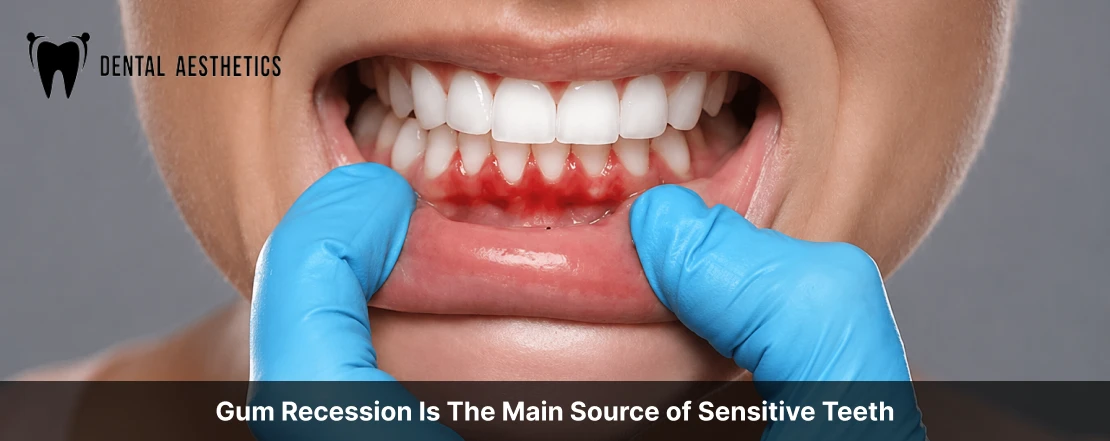
Gum disease is when healthy gums become destroyed and begin to cover less and less of the teeth. While healthy gums cover the roots of teeth, receding gums expose the root and the covering of the root.
The root covered by cementum is much more soft and delicate than that covered by enamel. The cementum wears away much more quickly. The cementum of the root is much more exposed.
This makes teeth much more sensitive. Cementum covered by gums makes for much less sensitive teeth. Receding gums make sensitive teeth painful. Cementum and the protective layer called the smear layer of cementum quickly wear away, exposing the tubules.
These are often confused with one another, when in fact they describe the different forms of tooth wear.
Condition | What causes it? | What happens? |
Attrition | Teeth rubbing against one another | Grinding or clenching causes gradual wear of the enamel |
Abrasion | Force from outside (mechanical) | Wears from brushing aggressively or using objects or substances |
Erosion | Chemical causes and acids | Enamel dissolves, and there are no bacteria present |
Abfraction | Wedge defects near the gums | Caused by flexing and stress of bite |
Can Cavities Cause Tooth Sensitivity?
Cavities are also a cause of tooth sensitivity because they lead to decayed enamel and dentin through bacterial colonization and activity.
Cavity pain is different from dentin hypersensitivity because cavity pain persists, even when the stimulus ceases. Many patients believe a cavity is just an ordinary case of dentin hypersensitivity, so this distinction is critical.
Dentin hypersensitivity is only diagnosed after a dentist is certain that all cavities, cracked teeth, leaking fillings, and tooth infections are ruled out.
What Is the Difference Between Tooth Sensitivity and a Cavity?
Tooth Sensitivity | Cavity |
Pain briefly occurs | Pain lingers |
Caused by cold, sweets, touch, or air | Caused by nothing |
Pain ceases when stimulus is removed | Pain continues for minutes or hours |
No visible hole in tooth decay | May have visible decay |
Caused by exposed dentin | Caused by decay and bacterial infection |
Dentin hypersensitivity and cavity pain may appear similar, which is why a cavity always must be ruled out first, as treatment for both conditions is completely different.
Why Are My Teeth Sensitive After a Filling?
Tooth sensitivity is a common occurrence after a dental filling and is typically nothing to worry about.
The tooth may just need time to recover after removing the decay. The filling material can act as a thermal insulator, causing a big difference in how a filled tooth and a natural tooth can conduct heat. A filling that is high can make the filled tooth even worse by changing the bite.
Mild sensitivity after a filling is completely normal and will resolve. If it is not resolving, the filling may have changed the bite and needs to be adjusted.
Why Are My Teeth Sensitive After Teeth Whitening?
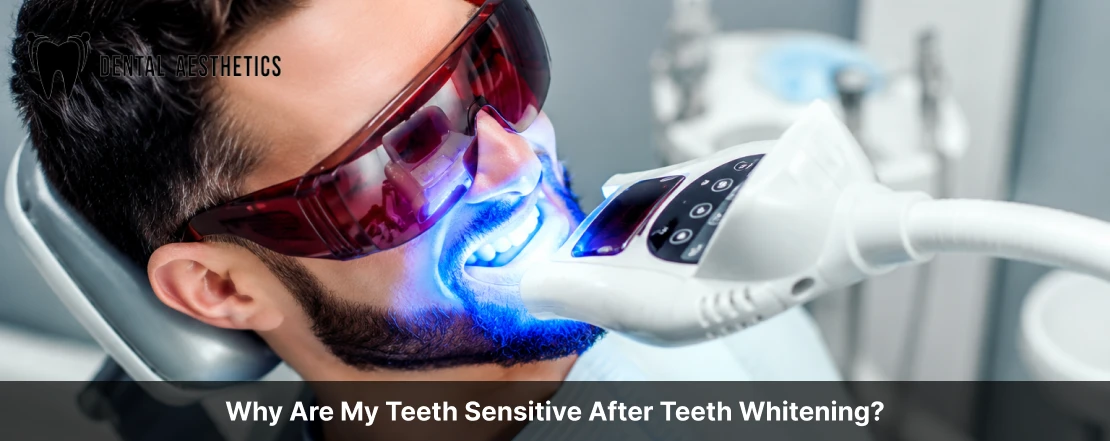
The most common concern with teeth whitening is that it will cause sensitivity. This is typically only a temporary condition.
By removing or changing the smear layer, whitening agents can temporarily heighten the permeability of dentinal tubules. This causes whitening agents to heighten fluid transport within the tubules, which is why cold drinks can be very uncomfortable.
Whitening agents do not impose permanent damage to healthy teeth when used properly.
For many, the sensitivity subsides with the passage of time, as the tooth serves to re-establish its protective barriers.
Two Mechanisms Behind Every Sensitive Tooth Treatment
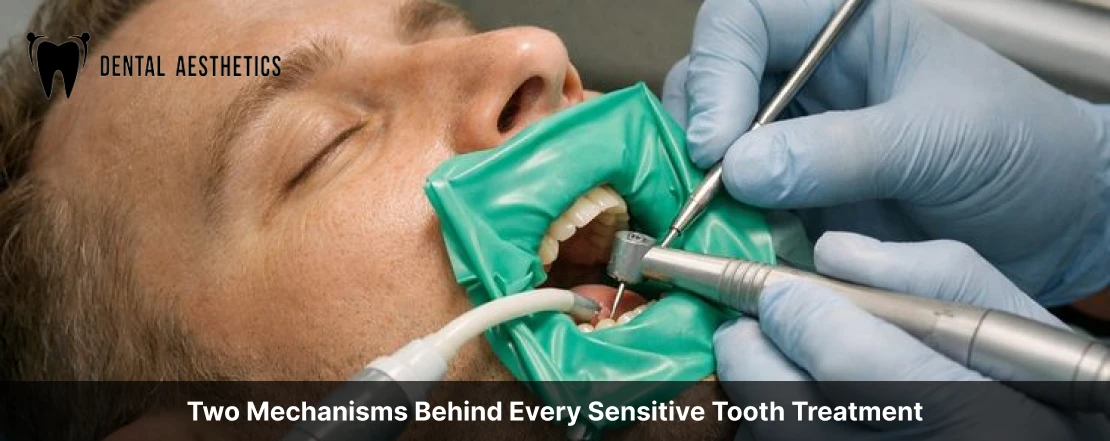
Pain starts when the fluid starts moving within the dentinal tubules. The fluid can be made to stop moving by sealing the tubule.
The hydrodynamic theory explains many of the professional treatments and products, from toothpaste to other dentel hygiene products.
Treatment mechanism | How it works | Examples |
Nerve depolarisation | Reduces nerve’s ability to transmit pain | Potassium nitrate |
Tubule occlusion | Closes dentinal tubules to stop fluid movement | Stannous fluoride |
Numerous modern formulations include both approaches, because they complement each other.
Does Desensitizing Toothpaste Actually Work?
Yes, for many it does. It works as a result of an active ingredient, not because of the presence of the word “sensitive.”
For example, potassium nitrate, used at approximately 5%, works by calming the nerve fibers within the tooth over time. It does not build up the enamel nor does it close the tubules. It does, however, make the nerve less likely to respond to fluid movement.
Stannous fluoride
Potassium oxalate
Strontium chloride
Calcium sodium phosphosilicate
Arginine with calcium carbonate
Hydroxyapatite
Once those tiny channels are sealed, fluid movement and consequently pain are diminished. Many expect instant relief, while most desensitizing toothpastes take 4 to 8 weeks of continued use to have the full effect.
It is one of the most common reasons for the belief that desensitizing toothpastes do not work; many stop using the toothpaste after a few days, as they do not notice an effect.
Do I Need to Keep Using Desensitizing Toothpaste Forever?
It depends on the reasons for the tooth sensitivity. If you caused the sensitivity by brushing too aggressively or from consuming too many acidic foods and/or drinks, then changing those habits may help reduce the sensitivity over time.
If gum recession has exposed the root surface permanently, then the use of desensitizing toothpaste may help keep the tubules sealed, and the nerves may stay desensitized.
The toothpaste may help control the nerves.
It may help the nerves, but it does not help the root of the problem.
Which Toothpaste is the Best for Sensitive Teeth that is Available in Pakistan?
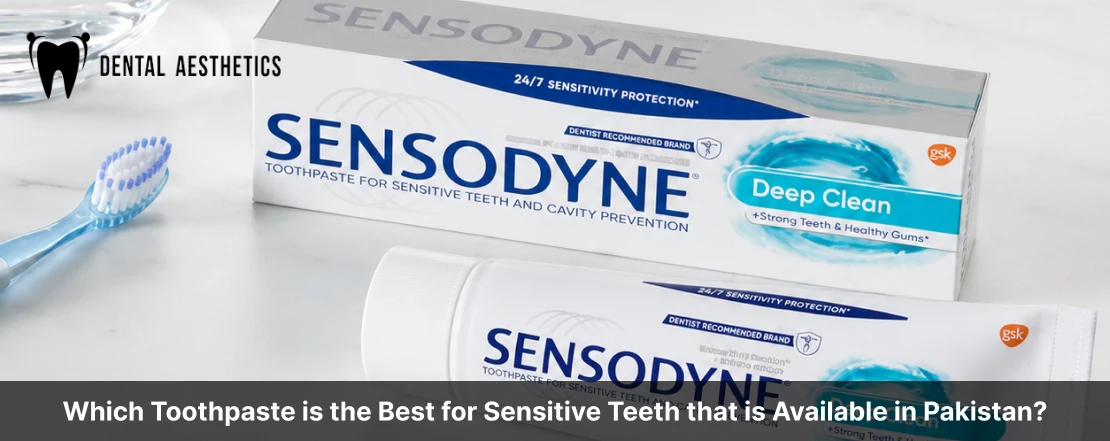
There is not one best type of toothpaste that is available in Pakistan. The best option is the one that has the ingredient that best addresses the problem.
Sensodyne, Sensodyne Pronamel, Colgate Sensitive, Colgate Total and Parodontax are options that are available in Pakistan, and they take different approaches by using different desensitizing agents and fluoride or potassium nitrate.
The important question that you should be asking is not which company has the best advertisements and the best toothpaste, but which company has the best approaches by using the best ingredients.
Toothpaste brand | Common active approach | Primary purpose |
Sensodyne Classic | Potassium nitrate | Calms nerve response |
Sensodyne Rapid Relief | Stannous Fluoride | Rapid tubule occlusion |
Sensodyne Pronamel | Fluoride-based enamel protection | Protects against acid wear |
Colgate Sensitive | Tubule-blocking formations | Reduces Dentin exposure |
Colgate Total | Fluoride and plaque control | Supports overall oral health |
Parodontax | Gum health focus | Helps reduce plaque around |
These toothpaste brands illustrate treatment mechanisms rather than product recommendations. Your dentist may advise a different option depending on the cause of your sensitivity.
Sensitive Teeth Treatment in Pakistan: Options and Cost
Toothpaste only helps with symptoms, but dentists help with real issues. Dentists can cover exposed roots with fluoride varnish. This varnish is more potent than the normal kind and helps seal the exposed roots. Additionally, if abfraction or abrasion led to a dentin exposure, varnishes can be used to help cover the lesion.
When decay is present, relieving your nerves is not the answer. Thankfully, professional help will help fix the underlying issue rather than providing a temporary fix to the issue.
Fluoride Varnish Application
Of all the fluoride treatments used by professionals, fluoride varnish is one of the more accessible treatments.
Fluoride varnish is not the everyday variety of fluoride. Typical varnishes will contain a 5% Sodium Fluoride or 22,600 ppm, going a long way in the process of remineralizing teeth. Varnishes will help seal tubules and adhere to the surface of a dentin, especially helpful when a root has been exposed during a gum recession from a treatment.
Estimated Cost: PKR 2,000 - PKR 5,000
Dental Sealants for Exposed Root Surfaces
Sometimes, sensitive dentin is treated with protective sealants that create a barrier. Sealants are very much like bonding. They, too, work by isolating configured dentin tubules from temperature variations and a host of chemical stimuli.
Sealants may be a consideration when the sensitivity of the dentin is more of a localized issue and the remainder of the tooth structure is healthy.
Estimated Cost: PKR 3,000 - PKR 6,000 per tooth
Root Coverage with Gum Grafting
When gum recession has significantly exposed the root, covering that root may reduce sensitivity and potentially be beneficial for the health of the gums in the long run.
This gum grafting procedure (root coverage surgery) replaces the missing gum tissue over the root and protects the underlying cementum and dentin. Not every patient is a candidate for this procedure, and treatment is contingent on the remaining supportive gum and bone.
Estimated Cost: PKR 35,000 - PKR 60,000+ per site/quadrant
Scaling and Root Planing
When gum disease has been caused by excessive plaque and tartar, treatment of the infection is of the utmost importance. Scaling and root planing are treatments that remove the bacterial infection beneath the gums and allow the inflammation to subside.
After these procedures, the patient may be more sensitive. Exposed root surfaces may be uncomfortable; however, the treatment of gum disease is vital to prevent the loss of more teeth.
Estimated Cost: PKR 6,000 - PKR 12,000 per quadrant (or PKR 15,000 - PKR 30,000 for a full-mouth deep cleaning under local anesthesia).
Night Guards for Bruxism
Sensitive dentin that is a consequence of grinding your teeth requires more than just the treatment of the symptoms to be successful.
A night guard is a custom-made mouth appliance that protects the teeth from further loss of tooth structure and mitigates the forces that may be applied during sleep. It may prevent loss of tooth structure beyond repair. This limits further damage.
Estimated Cost: PKR 8,000 - PKR 15,000 (for a custom-fabricated, clinic-grade hard or soft night guard).
Disclaimer: All these costs are estimates and vary for different dental clinics and locations.
Does Tooth Sensitivity Mean I Need a Root Canal?
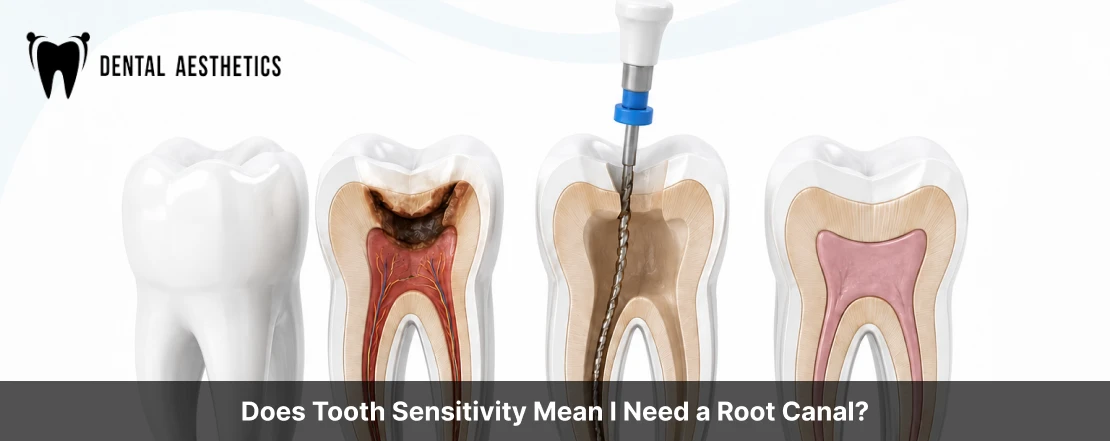
No, most sensitive teeth are not candidates for a root canal. Root canals are only required when there is irreversible inflammation or infection of the pulp. Typical dentin hypersensitivity has a normal pulp that is healthy and simply responding to stimuli.
If the pain becomes spontaneous, lingers for a long time, is experienced at night, and is accompanied by swelling, then your dentist will evaluate whether the nerve has become diseased.
At that point, your tooth is not just “sensitive” anymore; it requires a different diagnosis and a different treatment.
Is There a Permanent Treatment for Sensitive Teeth?
This is the most important question in the article, and the most valuable answer will not be a simple yes or no. Some of the causes are structurally repairable. Others are permanently unrepairable, but can be managed.
Structurally Repairable | Generally Managed |
Fill cavity | Teeth grinding (bruxism) |
Abfraction lesion bonding | Brushing too hard |
Rebuilding eroded tooth structure | Dietary habits that are too acidic |
Root canal due to irreversible pulp disease | Chronic erosion of enamel due to acid exposure |
Gum graft for suitable recession cases | Long-term maintenance of exposed roots |
When a cavity is filled, that tooth is no longer sensitive. If the sensitivity was caused by hard brushing, then no procedure will allow safe hard brushing. Hence, the sensitivity will most likely return. This is why there is no permanent treatment for sensitive teeth that is universally applicable. The permanence relies on the diagnosis.
Natural Treatment for Sensitive Teeth: What Can You Realistically Do at Home?
When most people look for natural treatments for sensitive teeth, they usually have one question in mind.
"Will I have to go to the dentist, or is this something I can fix myself?"
The real answer is that self-care can have a positive effect on symptoms, but it can’t shed light on why your teeth are sensitive. As the treatment relies on the cause, if sensitivity is still present or is coming back, an examination is the most important thing to consider. The good news is that there are a number of things you can try that will have a positive effect.
Brush your teeth using a soft-bristled toothbrush and apply gentle pressure instead of doing a hard brush that is done back and forth along the gumline. If you regularly consume foods and drinks that are abrasive, try reducing that exposure instead of a harder brush afterward. Use a desensitizing toothpaste, as that needs time to take effect. The exposed dentin that is protected will have a positive effect on your sensitivity. The reason for your sensitivity still needs to be professionally evaluated.
Sensitive Teeth Treatment at Home: What Works and What Doesn't?
The main reason people search for a sensitive teeth treatment at home is to avoid going to the dentist. Some of the things you can try at home will help you feel more comfortable. Some things you can try will have an even more negative effect on your teeth. To help you decide what to try and what to avoid, refer to the chart below.
Home Care Approach | What It Does | Should You Use It? |
Soft-bristled toothbrush | Reduces further abrasion | Yes |
Desensitizing toothpaste | Helps calm nerves or block tubules | Yes |
Gentle brushing technique | Prevents additional gum recession | Yes |
Reduces acidic foods and drinks | Slows enamel erosion | Yes |
Lemon juice | Increases enamel erosion | No |
Charcoal powders | Highly abrasive | No |
Baking soda scrubbing | Can increase abrasion | No |
Hydrogen peroxide rinses | Not a treatment for hypersensitivity | No |
Rinsing with warm salt water | Temporary irritant solution that comforts inflamed gum tissue | Yes |
Clove oil | Mild numbing and anti-inflammatory properties | Yes |
Many online articles recommend abrasive or acidic home remedies because they temporarily improve the feeling of cleanliness for teeth. These remedies cause erosion and abrasion to the enamel and are primary contributors to dentin hypersensitivity.
A sensitive teeth treatment home remedy may improve discomfort temporarily, but none of the popular home remedies are able to restore lost enamel, replace worn cementum, or close the exposed dentinal tubules that professional treatments can.
Are Desi Treatments for Teeth Sensitivity Sufficient?
Interest in desi treatments for teeth sensitivity is readily apparent in Pakistan. Many people tackle this problem with home remedies before heading to their local dentist. Seeking temporary comfort is fine; however, what is important is understanding the limitations of these remedies.
Traditional home solutions, such as:
Warm rinses of salted water: can soothe irritated gums
Clove oil: can relieve discomfort due to its numbing property
Unfortunately, these solutions have their limits. Receded gums have no way to be repositioned; tissue that supports teeth can't be rebuilt; a tooth that has enamel dissolved can't be restored; a tooth that is cracked can't be repaired; and open tubules on teeth can't be sealed with a home remedy.
If the tooth sensitivity is worsening or lasts longer than a short time or becomes such that it disrupts the normal function of eating and drinking, then relying on home remedies is delaying the much-needed treatment.
When Is the Right Time To See a Dentist?
Sensitivity can be the body’s way of saying something is wrong. However, sensitivity that goes away with a change of brushing technique, or use of a desensitizing toothpaste, may not be a reason for immediate attention. A more serious situation is persistent sensitivity. Dental examinations should be scheduled if any of the following occur:
Pain from cold beverages is repeated
Discomfort from sweet treats is constant
Sensitivity lasts beyond a reasonable time
Pain becomes more frequent or of greater intensity
Teeth begin to show signs of recession, wear, or cracking
Sensitivity of a tooth that has recently had a dental fill or a whitening of the teeth has remained beyond a reasonable time.
Schedule your consultation with Dental Aesthetics to discover the source of your dental sensitivity. Our team will create a custom care plan just for you.
Start writing your blog post here...
Frequently Asked Questions About Sensitive Teeth Treatment in Pakistan
Why are my teeth sensitive to cold water?
The rapid movement of cold water can cause fluids in the open dentinal tubules to shift. According to the hydrodynamic theory, this movement is detected by the nerve fibers in the pulp, causing the sharp pain some people feel. The most commonly reported cause of dentin hypersensitivity seeing patients in Pakistan is triggered by cold stimuli.
Why do my teeth hurt after eating something sweet?
Sugary foods affect the movement of fluids in the exposed dentinal tubules, caused by the osmotic effect. For tubules that are open, the nerve sends a brief, sharp response
Do sensitive teeth get better on their own?
Sometimes. After scaling, dental cleaning, or whitening, sensitivity often is self-limiting due to the natural repair of the tooth barrier. If the underlying cause is gum recession, tooth movement, and loss of tooth enamel, the sensitivity is unlikely to get better without the issue being addressed
Can receding gums return to their normal position?
Nope, gum recession is a natural and permanent condition. In select cases, root exposure due to gum recession and sensitivity can be reduced by gum grafting, but it is dependent on your particular condition
Is tooth sensitivity a sign of a serious issue?
No, sensitivity due to exposed dentin is often not a serious condition. However, cavities, cracked teeth, dysregulated fillings, and pulp inflammation can cause similar sensations. So that the cause of the sensitivity can be diagnosed, it is important to consult with a dentis
What about the sensitive teeth problem? Is there a full solution for the sensitive teeth problem?
Not always, but maybe. If your sensitivity started with a cavity, an infection, an abfraction lesion, or any other structure/integrity issue, restorative care can potentially alleviate the sensitivity.
If your problem came from teeth grinding, brushing too hard, or continually exposing your teeth to acid, a permanent solution is unfortunately too optimistic. The condition will most likely return if the predominate habits are not modified.



Request An Appointment
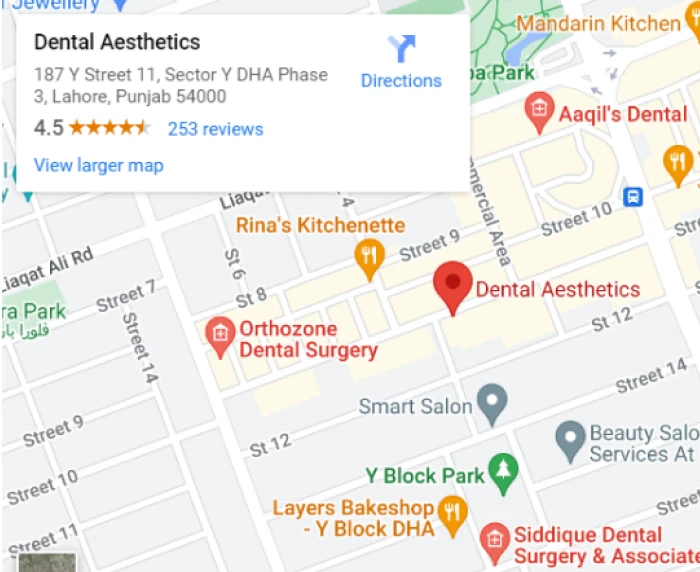
Map
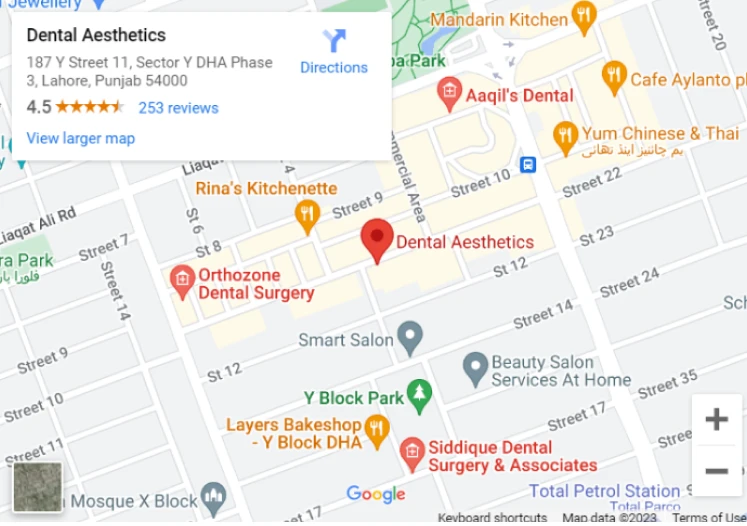
Timings
Monday - Saturday
11:00 am - 9:30pm
Sunday
12:00pm - 8:00pm