Gummy Smile: Why It Happens and How It's Treated
August 20, 2026
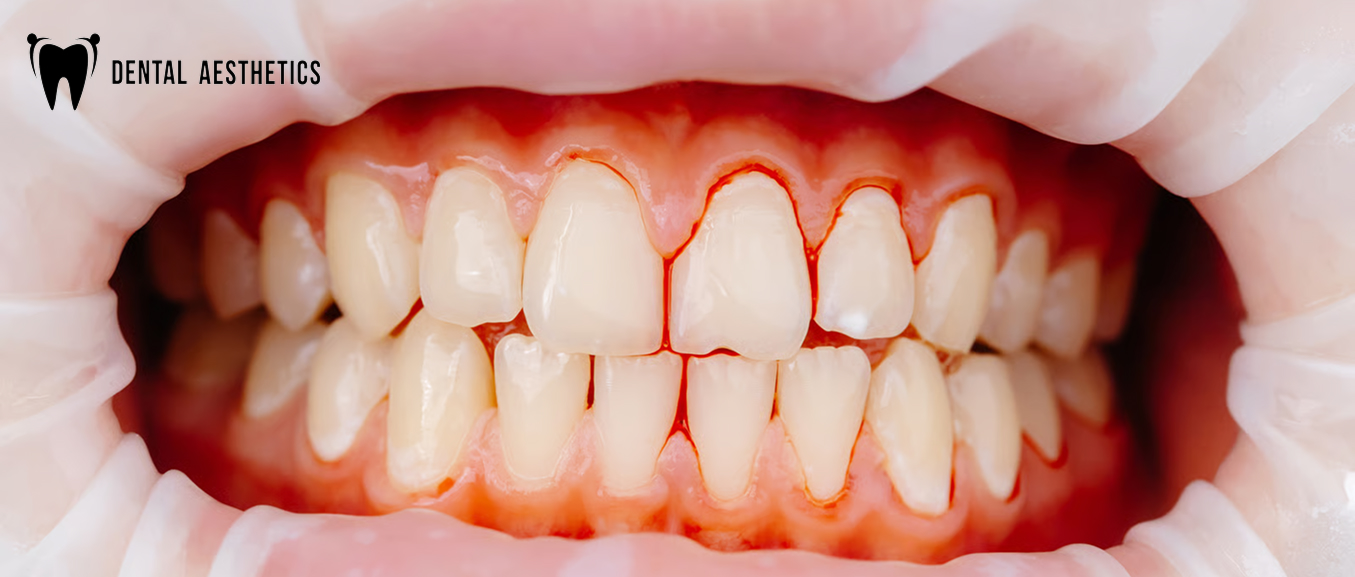
A gummy smile is the presence of too much gum tissue visible compared to the teeth when a person smiles. A gummy smile or excessive gingival display is not a disease. The cause can be related to the gums, teeth, upper lip, or jawline. Thinking you can identify the cause can help you develop the best approach to the treatment.
What is a Gummy Smile?
A gummy smile is the appearance of too much of the gum tissue when a person smiles, probably also because an excessive amount of the front teeth is not visible. The clinical term is excessive gingival display (EGD).
Visible gum tissue is normal. As an aesthetic measure, gummy smiles are characterized by 2 mm of visible gum and present an unsatisfactory appearance when greater than 3 mm is visible and possibly greater than 4 mm. These are not absolute measurements to draw a conclusion.
The smile appearance is a combination of the position of the gumline, tooth size, lip length and movement, the shape of the face, and the balance of all these factors.
Each of these factors can influence the aesthetic appearance of the smile.
Smile feature definition
Gingival display amount
Clinical crown
Smile line
Upper-lip mobility
Tooth proportion
Normal to gummy smile is not just about whether the gums show. Unusual settings where some gingival display may be natural and attractive.
"Big Gums, Small Teeth:" Why Do My Teeth Look Too Short?
If you have big gums and small teeth, your teeth may not be too small.
In some people, more gum than expected covers the crown of the tooth. This makes normal-sized teeth appear to be short, creating a large gums, small teeth, short teeth big gums, tiny teeth big gums, big gums little teeth appearance.
The key distinction is on the length of the tooth versus the length of the clinical crown that is covered by the gingiva.
A common cause is altered passive eruption (APE). In easy words, the gums did not finish the upward movement to their anticipated place after the tooth erupted. The result can be too much gum coverage and short, square clinical crowns.
APE may present with the following:
Excessive gingival coverage of the anatomical crown
Gingival margin that lies close to the cementoenamel junction (CEJ)
Short, block-shaped teeth
Increased crown width to height ratio
APE presents with the aforementioned features and should not be used to attempt self-diagnosis
If you are more concerned with gums than teeth, then the correct question is, Why do so many teeth appear to be covered?
Why Do My Gums Show When I Smile?

There is no single answer to why I have a gummy smile. Gummy smile causes can be found in the gums, teeth, the upper lip, the upper jaw and different causes can produce a similar appearance.
Possible cause | What happens | What you may notice |
Altered passive eruption | Gum covers more of the tooth | Short-looking teeth |
Vertical maxillary excess | Upper jaw has increased vertical dimension | Greater gum and tooth display |
Hypermobile upper lip | Lip rises excessively | Gums show mainly during smiling |
Dentoalveolar extrusion | Upper front teeth have over-erupted | Teeth positioned lower than expected |
Gingival overgrowth | Gum tissue becomes enlarged | More gum around several teeth |
Tooth wear | Tooth structure becomes shorter | Short or worn-looking teeth |
The gums never finished moving up: altered passive eruption
In altered passive eruption (APE), the gum margin stays over more of the tooth crown than expected.
When covering too much of the tooth with gums is normal and can also look short, a smile can appear more gingival.
The gums never finished moving up: altered passive eruption
Vertical maxillary excess (VME) occurs when the upper jaw midline is vertical and long. It can result in excessive gingival display along with an increased labial gap.
Large vertical height of the anterior maxilla has been associated with this pattern; however, static clinical measurements that cannot be evaluated in photographs suggest this can’t be confirmed.
The upper lip lifts too far or is short
A hypermobile upper lip (HUL) shows a significant amount of gingiva when smiling, and a short upper lip can also cause excessive gingival display.
HUL and APE coexist in some patients; therefore, it is possible to have excessive gingival display and large lip display at the same time.
The front teeth have over-erupted
Dentoalveolar extrusion can change the relationship between lips, gums and teeth.
If over-eruption of upper front teeth is the primary problem, orthodontic treatment may be an option.
Gum overgrowth
External gum tissue can grow due to many inflammatory factors, including poor plaque control and some medications. There are other oral health factors.
The covering of excessive gum is not a good reason to remove gum tissue.
Short or worn-down teeth
Sometimes teeth are short. Attrition and tooth wear caused by grinding or bruxism can cause shortening of crown height that becomes visible. This can cause the condition to be aesthetically problematic. In such a case, restoration can be viewed as necessary in the future.
The same clinical appearance can be caused by a number of different factors. The same clinical appearance can be caused by a number of different factors, which is why a diagnosis is important before treating a gummy smile.
How Do You Diagnose the Gummy Smile?

The cause of a gummy smile cannot be determined solely by the photograph. In order to determine the cause of a gummy smile, a clinician needs to perform a comprehensive assessment of the patient’s teeth, lips, gums and facial structures.
A clinician will assess:
Gingival display upon maximal smile
Length and mobility of upper lip
Lip position at rest
Clinical crown height and width
Gingival thickness
CEJ position and alveolar process
Tooth wear
Interlabial distance
Facial harmony
Clinical and radiographic assessment, in combination with digital smile design, can be used to evaluate the patient’s dental integrity and the relationship of the teeth and gingiva to the bone.
Diagnostic factor | Why it matters |
Smile analysis | Measures displayed gingiva and teeth |
Lip dynamics | Determines lip movement |
Periodontal examination | Assesses gum health and anatomy |
Crown proportions | Determines teeth appearance as short |
CEJ and bone position | Varies in therapy involving crown lengthening |
Imaging | Supplementary structural and anatomical data as needed |
Remember, a gummy smile is multifactorial. Treatment should not be based on appearance alone.
How Is a Gummy Smile Treated?
Treatment of a gummy smile should be based on the cause of excessive gingival display.
Potential causes | Treatments |
Excessive gum height | Crown lengthening, gingivectomy, or laser contouring |
Overactive gum tissue | Address cause and consider contouring |
Excessive lip elevation | Botox, lip repositioning |
Overerupted upper anterior teeth | Orthodontics |
Vertically excessive upper jaw | Orthodontics or orthognathic surgery |
Clinical good crown length | Veneers, bonding, perhaps crown lengthening |
Crown Lengthening and Gum Contouring
Esthetic crown lengthening is indicated for covering otherwise normal-sized teeth. Reshaping gum tissue may differ, and so may the remodeling of bone, based on the structural anatomy of the area.
This distinction means that crown lengthening is not a synonym for a gingivectomy.
Laser gingival contouring is suitable in a range of soft-tissue cases. Gingival thickness, tooth position, and the underlying alveolar bone all play a part in determining the best approach.
In one study, patients with altered passive eruption had gingival display of less than 4 mm as a result of esthetic crown lengthening performed at the CEJ level in around two-thirds of patients. This was not reported as a universal success rate.
Botox and Lip Repositioning
Excessive gingival display during smiling can be treated with Botox. This is a temporary solution.
Botox does not address the underlying cause of the problem (e.g., passive eruption or vertical maxillary excess). Lip repositioning surgery is more conservative than orthognathic surgery and is performed under local anesthesia.
Braces and Aligners
In cases of over-erupted upper front teeth, orthodontic intrusion may be employed. If tooth position is a contributing factor to excessive gingival display, braces or aligners may be employed within the scope of Braces & Orthodontics.
Veneers and Composite Bonding
Restorative dentistry may be indicated if the teeth are short as a result of wear, or if they have undesirable proportion
Dental Veneers and cosmetic bonding can increase the perceived width of teeth, but they don't fix the underlying cause when a gummy grin results from large amounts of lip, gum and jaw.
Can You Fix a Gummy Smile Naturally?

There is insufficient clinical evidence to support the use of facial exercise programs, face yoga, or gummy smile exercises to correct structural causes of excessive gingival display.
Exercises will not move the gingival margin, reshape bone, relocate the maxillary vertical dimension, or increase or decrease the exposure of teeth. However, regular oral hygiene is still necessary. Inflammation causes the gums to enlarge, and healthy gums are less likely to become inflamed.
So if you search for a natural remedy to cure a gummy smile, think twice before you believe facial exercises can naturally reshape your smile.
Is a Gummy Smile Something You Need to Treat?
Having a gummy smile is not pathological and is not a medical condition. Gums are normally visible, and many people are confident with their smile. Treatment will be done at the client's discretion unless the smile is a medical concern with other oral problems.
However, a smile that exposes too much gum can lower a person's self-esteem and cause embarrassment. A person may become self-conscious when they smile, take photos, or speak in public.
This shows that the cause of concern should be the individual and not the self-judgment that says every smile needs to show a certain amount of gum. As we age, the upper lip loses elasticity and becomes longer. This diminishes the visibility of the upper incisors and changes the appearance of the smile.
Where to Get The Best Gummy Smile Treatment in Lahore?
The goal at Dental Aesthetics, Lahore, is to find out why gums are showing before we recommend the next course of action. Assessment involves the following components:
Gum health and position
The size of teeth and the clinical crown relative to the tooth
Upper lip and smile line; position and proportions of teeth
Facial proportions
Smile assessment
Radiographs
3D images (if necessary)
There are several pathways, and treating the cause as opposed to treating all gummy smiles in the same way is beneficial.
There are a variety of gummy smile treatments, including, but not limited to, gingivectomy, Botox, orthodontics, and laser gum reshaping. The cost of gummy smile correction depends on the treatment needed, the complexity of the case, and how many contributing factors there are. Hence, a consultation is more beneficial than providing a general estimate.
Conclusion
A gummy smile can be caused by multiple complicated factors that include the gums, teeth, lip, jaw, and other contributory factors. This is why it is essential to determine the cause of your gummy smile to decide what treatment would be the most effective.
At Dental Aesthetics, Lahore, you can get assessed for the possible periodontal , orthodontics, restorative, and lip-related treatments all in one visit.
Want to know why you have a gummy smile? Book your spot with us at Dental Aesthetics, Lahore. The team will help you build a custom treatment plan that fits your goals and your anatomy.
Frequently Asked Questions
What causes a gummy smile?
Some factors that can cause gummy smiles include: altered passive eruption, vertical maxillary excess, short and/or hypermobile upper lip, over-eruption of the upper front teeth, gingival overgrowth, short and/or worn teeth. Many of these factors can occur together. Treatment for the same looking smile can therefore vary significantly.
How much gum showing is considered a gummy smile?
Someone with a gummy smile is usually someone who displays more than 2 mm of gum, and people typically think a gummy smile is more than 3-4 mm. These numbers are more so guidelines for general aesthetics.
Why do my gums show when I smile?
Some possible reasons that gums show when you smile include: gum tissue covers too much of the tooth, upper lip moves too much, teeth are overerupted, upper jaw has increased vertical height, and enlarged gums. An examination is needed to determine each of these factors.
Are my teeth too small, or are my gums too big?
Teeth may not actually be small. There is also a possibility that excess gum tissue is overcovering a normally sized tooth, making it appear smaller. Teeth that have a worn down enamel or are naturally short can also make them appear smaller teeth, making a clinical assessment necessary.
Can gummy smiles occur for more than one reason?
Gummy smiles are multifactorial and can be caused by altered passive eruption and an upper lip that is hypermobile. Hence, multiple factors can contribute to the greater display of gingiva and treating only one may not yield satisfactory results.
Can gummy smiles be treated permanently?
Treatment outcomes can vary, and some can achieve long-term changes, while some are short-term. For instance, surgical crown lengthening can create a permanent solution. Botox, on the other hand, reduces the display of gingiva temporarily and requires several follow-up sessions.
Does Botox reduce gummy smiles and for how long?
Botox can be an effective treatment for gummy smiles caused by elevation of the upper lip. However, like most treatments, its effects are temporary and repeated treatment is necessary. Botox can help reduce the appearance of gingiva, but does not address skeletal reasons for excessive gingival display.
Can gummy smiles be fixed with braces or Invisalign?
Braces and Invisalign can be helpful for gummy smiles if the cause is specific to erupted teeth or the position of the teeth. They are not a universal solution for gummy smiles. If the primary concern is excess gum tissue, upper lip mobility or jaw position, alternative treatments should be considered.
Is a gum contour comparable to a crown lengthening?
Gum contouring is the reshaping or removal of excess tissue of the gum, whereas crown lengthening involves reshaping of the bone if needed. This can depend on the tooth and gum tissue anatomy.
Does gummy smile treatment hurt?
It depends on the specific treatment. For example, there is a substantial difference in the recovery time between Botox and gum surgery (which can result in minor discomfort and swelling). Of course, surgical treatment has a longer recovery time than Botox. Orthodontic treatment and gum treatment recovery times can vary substantially. Your dentist should be able to discuss the recovery time and discomfort associated with the type of treatment you are considering.
Can a gummy smile come back after treatment?
If the treatment of a gummy smile is surgical, then the result should be permanent, and the smile should not return to a gummy state. The middle ground is when the cause is addressed permanently (i.e. Botox), but there are still contributing factors to the gummy smile that may heal over time. Lastly, the position of the gums and teeth may not be in the most aesthetically desirable position when compared to the rest of the face.
Can exercises reduce a gummy smile?
No, there has been no substantial research to support the correction of excessive gum display (more than desired) with facial exercises, face yoga, or other gummy smile exercises. Good oral hygiene will help keep your teeth healthy and properly positioned, but gummy smile correction is achieved with surgery.



Request An Appointment
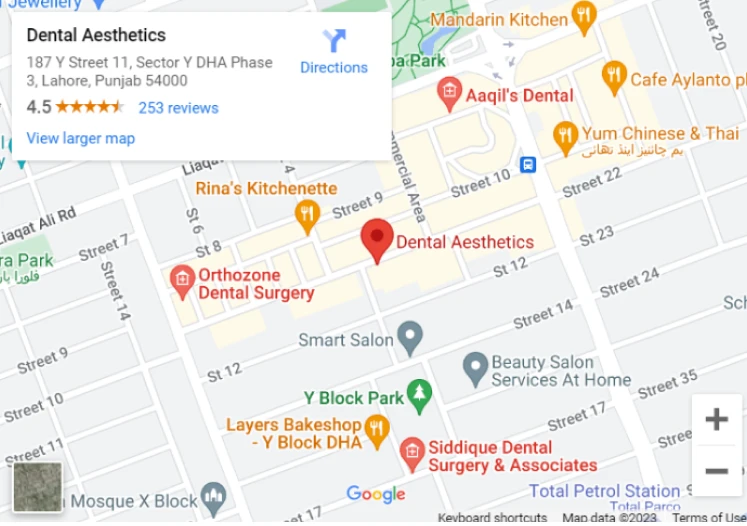
Map
Timings
Monday - Saturday
11:00 am - 9:30pm
Sunday
12:00pm - 8:00pm