Do Cavities in Baby Teeth Need Treatment? Causes, Signs & Options
August 16, 2026
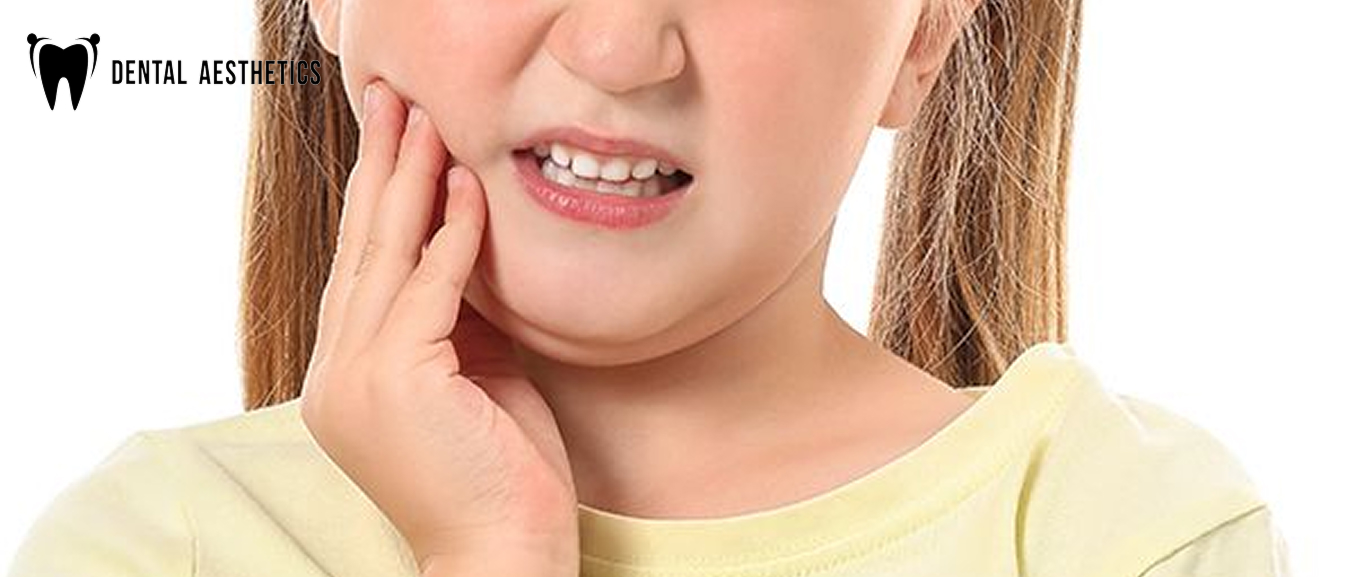
Baby teeth, also known as primary teeth, do require treatment for cavities. Cavities in baby teeth may result in pain and infection and may cause more serious problems in the permanently erupting teeth below. Primary teeth may be referred to as baby teeth or milk teeth.
What Are Cavities in Baby Teeth?
Cavities in primary teeth are caused by bacteria breakdown of enamel and the process begins to cause cavities in the enamel through demineralisation. Demineralisation begins the breakdown of primary teeth with enamel erosion. Once primary teeth are affected by decay, they can easily progress into dental cavities.
Primary teeth do have thin enamel when compared to permanent teeth. This causes primary teeth to be vulnerable to cavities and can put primary teeth at risk very quickly, even with small decay.
Term | Definition |
Baby teeth | First set of primary teeth |
Milk teeth | Primary teeth |
Primary teeth | Additional term for first primary teeth |
Dental caries | Process that causes tooth decay |
Demineralisation | Tooth enamel where minerals become lost |
The American Dental Association states that teeth of children can begin the decay process as soon as the teeth erupt. Early childhood caries is a disease caused by decay and is multi-factorial, with both preventive and risk factors.
Why Do Baby Teeth Get Cavities?
There are many factors that cause cavities in baby teeth. These include bacteria and plaque in the mouth, frequent exposure to sugary or starchy foods, exposure to insufficient fluoride, and feeding methods that leave sugary or starchy foods around teeth for an extended period of time.
One type of bacteria found in cavities is Streptococcus mutans (S. mutans). Bacteria found in plaque turn sugary foods into acid. This acid attack slowly but steadily demineralizes tooth enamel.
The frequency of snacking matters. Cavities can form when acid attacks occur before the mouth is able to heal itself through the process of remineralization. A child who snacks throughout the day is likely to suffer from cavities, while a child who snacks only during mealtime and snack time is likely to suffer fewer cavities.
Bottle feeding is another contributor to early childhood caries when the child falls asleep with the bottle to suck on or has frequent prolonged feedings during the day. When children start to walk, they have the ability to self-feed bottles and bring them to bed to consume them. This also leads to cavities.
Is milk bad for teeth?
Milk does not increase the risk of cavities even with frequent exposures. The concern is leaving the milk in the mouth to stagnate.
Is breast milk bad for teeth?
There are no concerns about breast milk increasing the risk for cavities even with frequent exposures. Breast milk has many nutrients for healthy development. The main concern is falling asleep while breastfeeding, increasing cavity risk with other factors.
Fluoride is also an important protective factor. The use of age-appropriate fluoride toothpaste can help strengthen tooth enamel and slow or stop the progression of early tooth decay.
What do Cavities in Baby Teeth Look like?

Baby tooth cavities can progress from an early white or chalky change to a visible cavity. While color can help, online pictures cannot replace an in-person exam.
Stage | What It May Look Like | What It Can Mean |
Early demineralization | Change to white, dull, or chalky area | Mineral loss that precedes the formation of a true cavity |
Progressing lesion | Change to yellow, brown, or bell mutation brown | Further breakdown or staining of enamel |
Cavitation | Visible hole, rough edge or food trapping | Loss of tooth structure |
Extensive decay | Loss of large areas of the tooth with dark tooth and tooth fragments | Extensive cavitation that may affect deeper structures |
Not all white spots are decay and not all dark spots are cavities. A dentist makes a diagnosis based on several factors, including location, texture, symptoms, and activity of the lesion. Also, the bite, and may take an x-ray.
If a white spot is noticed on a tooth, early assessment is recommended because treatment for early demineralization may be very different from treatment for a cavity.
Do Cavities in Baby Teeth Need Treatment?
In most cases, the answer would be yes. Treatment recommended by a dentist could be monitoring, preventive treatment, restorative treatment, pulp therapy, crown, or extraction based on several factors, including depth of decay, tooth involved, if restoration of the tooth is possible, and how long the tooth is expected to remain in the mouth before naturally falling out.
Just because primary teeth get replaced does not mean primary teeth are unimportant. Primary teeth have a big job: chewing, playing a role in the comfort level of the patient, speech, and other functions. They affect the growth of permanent teeth as well.
Clinical factor | Why it matters |
Depth of decay | Deeper lesions have a greater chance of affecting the pulp |
Tooth involved | Front and back primary teeth have different functions and treatment considerations |
Symptoms | Pain, swelling or infection can indicate deeper disease |
Restorability | A severely damaged tooth may not be suitable for restoration |
Time until exfoliation | Treatment planning may differ for a tooth close to natural loss |
The goal is not simply to “fix a hole.” It is to control the disease, preserve a healthy and functional tooth where possible, prevent pain and infection, and support normal development.
How Are Cavities in Baby Teeth Treated?

Treatment depends on the individual tooth and the child's clinical findings. The options listed are examples of what may be appropriate, rather than treatments every child will need.
Severity or Condition | Possible Treatment | Goal of Treatment |
Early Stage Demineralisation | Fluoride and intervention | Prevent or reverse demineralisation and remineralisation |
Small Dental Cavity | Tooth coloured or other suitable filling material | Restoration of lost tooth structure |
Pulp involvement in a suitable tooth | Pulpotomy along with restoration | Treatment to maintain the integrity of the rest of the primary tooth |
Non-restorable tooth or severe infection | Extraction; space maintenance may be considered later | Extraction of unrestorable tooth and infection management. Space maintenance for the successor |
According to the AAPD, for deep cavities, evidence-based practices on vital pulp therapy may be considered for appropriate diagnosis cases, particularly for direct pulp therapy or pulpotomy. As of 2024, it also recommends conservative caries removal. It further states that the use of stainless steel crowns, including the Hall technique placement in appropriate cases, is a reasonable decision.
Stainless steel crowns in primary dentition are a good choice when a primary molar has extensive decay. Leaving a large restorative filling is not protective and leaves the remaining tooth at risk.
Considering extraction of a primary tooth is necessary when infection is severe, and restoration is not justified. Space maintenance is also a consideration for the successor if extraction is done before the expected exfoliation
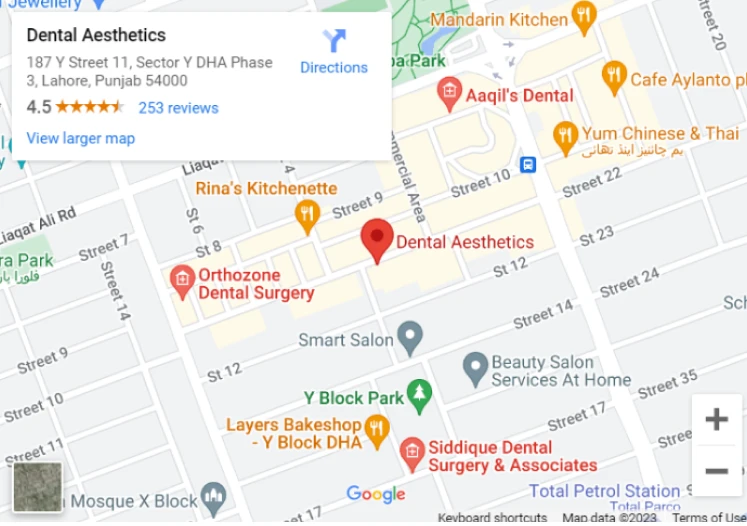
For parents in Lahore, Dental Aesthetics offers pediatric dental care and restorative treatment to cure baby tooth infections.
Can Baby Tooth Cavities Heal Naturally?

This question is ambiguous. Early tooth decay can be halted or reversed in most cases with good preventive care once the reason for the decay is controlled and exposure to fluoride is increased. However, a true cavitated lesion cannot grow back the missing tooth structure.
This distinction is important. A chalky white area may be managed with preventive care and experienced with an open mind. A hole in the enamel may also be managed, but professional care is usually required, and a restoration may still be needed.
Oil pulling should not be considered a substitute for good preventive care, brushing, and professional care and should not be used as a substitute for restorations. Parents should not explore oil pulling instead of seeking preventive care for a chalky white area.
The American Academy of Pediatric Dentistry advocates for remineralization, the arrest of tooth decay, and the use of minimally invasive techniques when appropriate. These methods should be used while the child is under active monitoring.
What Happens If Baby Tooth Cavities Are Left Untreated?
Baby tooth cavities that are not treated do not go away on their own. Cavities will continue to grow and can cause many problems for a child. These problems can include pain, insomnia, and even trouble eating.
More significant tooth decay can spread and cause painful infections and a dental abscess that can even cause facial swelling. Losing a baby tooth too early can affect a child's permanent tooth formation.
Primary teeth may cause infection that can lead to the tissues surrounding the permanent tooth developing infection. This is why there is a lot of value in the assessment of primary teeth in children’s holistic dental development.
Possible consequence | How it may affect a child |
Pain | May interfere with concentration or sleep |
Infection | May cause gum swelling, an abscess or facial swelling |
Difficulty eating | May affect normal food intake and chewing |
Premature tooth loss | May give rise to concerns with space management |
Developing successor concerns | Severe infection may potentially affect the permanent tooth developing underneath |
Not every untreated cavity will develop progressively at the same rate, but there is no way to predict this from a photograph
When Should Your Child See a Dentist?
A dental home should be arranged for your child before their first birthday, and ideally, when their first tooth erupts.
The distinction between routine and urgent assessment is beneficial:
Situation | Recommended response |
White or brown spot | Arrange a routine dental assessment |
Visible hole or rough area | Arrange a dental assessment soon |
Mild sensitivity | Arrange a routine assessment |
Toothache | Arrange prompt dental assessment |
Pain preventing sleep or eating | Seek urgent dental care |
Gum or facial swelling | Seek urgent dental care |
If your child has facial or gum swelling, fever, severe dental pain, or dental pain that interferes with eating or sleeping, you should not wait for a regular dental appointment.
How to Prevent Cavities in Baby Teeth

Baby tooth decay prevention starts before the first tooth comes in. Parents can start cleaning and massaging a baby’s gums to remove bacteria. Once teeth are present, brushing and cleaning become more important.
The ADA has recommended that children under three brush twice daily with a smear or rice-grain-sized amount of fluoride toothpaste. Three- to six-year-old children are recommended a pea size amount.
It is recommended that kids be put to bed without a bottle containing milk or juice. Teeth touching carbs have almost the same effect as snacking.
The less time someone is exposed to food, the less chance they have to develop cavities from the acid in their mouth. It is not necessary to wait for the first cavity to occur before taking the child to the dentist for the first time. This allows the dentist to check on the child’s developmental stages and dietary fluoride levels and look for signs of early decay.
Parents should also read about pacifiers and thumb sucking in the context of general pediatric dental development.
Cavities in Baby Teeth Treatment in Lahore
The correct course of action for a cavity revelation is a complete assessment, rather than acting on a treatment assumption based on an assessment of a single tooth. The dentist will examine the lesion of the tooth, the tooth’s vitality, the symptoms, the bite, the remaining tooth structure, and the expected lifespan of the primary tooth.
At Dental Aesthetics in Lahore, pediatric dentistry means check-ups of children and the treatment management of infections of baby teeth. In addition, the clinic offers all restorative services for children, including fillings and crowns.
The cost of treatment depends on the following factors
The number of teeth affected
Whether X-rays are taken
The depth of the decay
The type of restoration
If a pulp treatment is needed
If a stainless steel crown is needed
If a tooth extraction is needed and space management is required
The child’s behavior management needs and the child’s cooperation
As all of these factors will impact the price of the treatment, a person should request a quote after the assessment instead of looking at the treatment cost online.
For parents looking for pediatric dentistry in Lahore, Dental Aesthetics offers pediatric dentistry in DHA Lahore and has many clinic locations.
Frequently Asked Questions
Do untreated cavities in baby teeth cause problems?
Baby teeth are eventually replaced, but untreated cavities can cause infection, pain, and interfere with eating. Severe untreated cavities can actually lead to premature tooth loss. The untreated cavity can also cause issues with the developing permanent tooth. In these cases, treatment is most likely needed, but it could be determined that monitoring is sufficient.
Can a cavity in a baby tooth affect the permanent tooth?
Severe cavities in primary teeth can affect the permanent teeth that will take their place. The extent of the infection and the developmental stage of the permanent tooth can affect the severity of the issue. Cavities need to be evaluated so that the potential of causing irreversible damage can be minimized.
What do baby teeth cavities look like?
- In the earliest stages of a cavity, the tooth enamel becomes white and chalky. Eventually, the cavity can become yellow, brown, or even break and form a hole. Brown spots do not always mean the tooth has a cavity. Cavities can be hidden, and the only way to determine if what you are looking at is a cavity is to see a dentist.
Can white spots on baby teeth be reversed?
A two-step process reverses the occurrence of white spots: stop the progression of early demineralisation and stimulate remineralisation with fluoride treatment, brushing, changing diet, and professional monitoring. Unfortunately, a cavitated hole cannot regrow its enamel and grow back. Because of this, white spots should be examined before they progress into a hole.
Does milk cause cavities in baby teeth?
Eroded milk or cavities in milk is a common misconception. The concern, however, is excess exposure of milk over an extended period of time, particularly after a child repeatedly feeds at night and before cleaning of teeth. Diet, oral hygiene, fluoride exposure, and a host of bacteria play significant roles in the caries risk.
Does breast milk cause tooth decay?
Breast milk has numerous health benefits, but there is some risk of early tooth decay if milk is continuously offered at night to a child after the eruption of teeth. This should not discourage breastfeeding. Tooth cleaning, breastfeeding patterns, and individual risk of caries should be discussed with the child's dentist.
Can oil pulling cure cavities in baby teeth?
Oil pulling is not an alternative to dental work. It should not be used as a remedy for a cavity. Once the structure of the tooth has been lost to cavitation, there is no regrowth of the structure through oil pulling. Evidence-based prevention is continual use of fluoride toothpaste, limiting sugar, and frequent scheduled dental visits.
Won’t all tooth decay in baby teeth need a filling?
Not necessarily. The course of treatment is based on the lesion’s activity, depth, and location, as well as the tooth’s symptoms and the tooth’s expected lifespan. Preventive measures and observation may be used in the earliest non-cavitated concerns. For cavitated lesions, treatment may involve fillings or crowns (or other treatments), depending on the amount of remaining healthy tooth structure.
Why would a stainless steel crown be placed on a baby tooth?
A stainless steel crown is a good option to cover a primary tooth with large caries that still can be restored. Because of the lack of durability of other kinds of restorations, especially on back teeth, stainless steel crowns on primary molars are commonly used.
What happens if a baby tooth is extracted due to decay?
If a primary tooth cannot be restored, extraction is the only option. After the tooth is lost, a dentist may place a space maintainer. This is done only if the primary tooth was lost before the permanent successor has fully grown in.
When should I bring my child in to the dentist about a cavity?
Visit the dentist when you see a white or brown spot, a recognizable hole, or a rough area, or if your child is experiencing tooth sensitivity. Significant pain, swelling on the face or gums, fever, and pain that interrupts your child’s eating or sleeping are all reasons to visit the emergency dentist.
When should my child's first dental visit be?
The American Dental Association suggests visiting the dentist by the time your child is 12 months old or has their first tooth. These early visits are about more than checking for tooth decay. Parents learn good oral hygiene practices. The dentist looks at the child as a whole to check nursing, tooth eruption and other signs of dental problems.



Request An Appointment
Map
Timings
Monday - Saturday
11:00 am - 9:30pm
Sunday
12:00pm - 8:00pm