


Mouth Ulcers: Causes, Treatment, Medicine and Gel

November 25, 2026
Mouth ulcers are painful sores that develop on the inner lining of the lips, cheeks, tongue, and/or the floor of your mouth. They make simple tasks like chewing and talking painful. Fortunately, most of the time, mouth ulcers are not a cause for concern and disappear on their own in 7 to 14 days. However, if the ulcers are frequent and do not heal, you should see a doctor.
While the vast majority of ulcers heal on their own, ulcers that recur or do not heal should be looked into further. The best treatment for a given mouth ulcer is finding the reason it is occurring in the first place.
At Dental Aesthetics Lahore, our aim is to identify the underlying cause of your ulcer, in addition to providing you with relief from the symptoms.
What Are Mouth Ulcers?
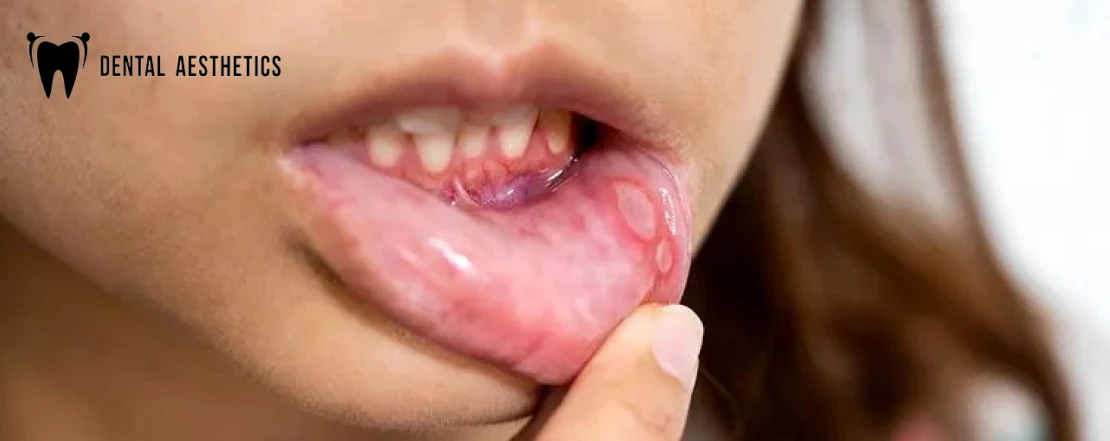
As discussed above, mouth ulcers are breaks in the soft lining of the mouth. They are usually round or oval-shaped and have a white or yellowish centre and a red border. They can occur on any part of the mouth and make eating and drinking painful, especially if the food is spicy or acidic.
Mouth ulcers are broken down into the following types:
Aphthous ulcers (canker sores)
Herpetiform ulcers
Traumatic ulcers
Ulcers caused by diseases
Ulcers caused by substance abuse
Ulcers caused by medications
A painful spot on your gums or mouth can be either a cold sore or a mouth ulcer. While some people use the two terms to mean the same thing, they actually describe different conditions. Cold sores can be contagious and are caused by a virus, while mouth ulcers are not contagious.
Feature | Mouth Ulcer (Canker Sore) | Cold sore |
Location | Inside the mouth | Usually on or around the lips |
Appearance | Round sore with a pale centre | Small fluid-filled blisters |
Main cause | Aphthous inflammation | Herpes simplex virus |
Contagious | No | Yes |
Healing | Usually 7 to 14 days | Often 1 to 2 weeks |
Cold sores (or fever blisters) are caused by the herpes simplex virus and can be transmitted by skin-to-skin contact. Aphthous ulcers are not caused by the herpes simplex virus.
What Causes Mouth Ulcers?
There is no single answer for every case. Sometimes a minor injury can cause an ulcer. Other times, there can be hormonal changes, nutritional imbalances or other medical conditions that can cause ulcers.
The cause of mouth ulcers determines the treatment required for them. Common everyday triggers include:
Biting the tongue or cheek
Aggressive brushing
Rough filling
Poorly fitting dentures
Hard or spicy foods
There can be a hormonal or nutritional imbalance that can also cause ulcers. A dental examination at Dental Aesthetics Lahore can help diagnose such everyday causes of ulcers and give good home care tips to treat mouth ulcers.
Nutritional Causes of Mouth Ulcers
Certain vitamins and minerals at low levels can cause recurring mouth ulcers. The most relevant nutritional deficiencies include:
Vitamin B12 Deficiency
Iron Deficiency
Folate Deficiency
All of these nutrients help in the production of blood cells and tissue function. With inadequate amounts of these nutrients, repeated bouts of mouth ulcers can occur.
Nutrient | Food Sources | Why It Matters |
Vitamin B12 | Eggs, Fish, Meat, Milk | Helps function of nerves and blood cells |
Iron | Spinach, Beans, Lentils, Meat | Aids in transportation of oxygen in the body |
Folate | Citrus, Legumes, Leafy Vegetables | Cell division and tissue growth |
If you have frequent ulcers along with constant tiredness, weakness and other symptoms without apparent cause, your doctor may recommend a blood test.
Beginning megadoses of supplements is not recommended unless a deficiency is confirmed. The goal should be addressing the actual nutritional problem.
Hormonal and Other Triggers
People may get mouth ulcers at different times of their menstrual cycle, depending on when hormonal changes occur.
Some people may be affected by toothpaste containing SLS (Sodium lauryl sulfate). A switch to an SLS-free toothpaste may be helpful.
To to is to from. Ulcers may be a symptom of an underlying condition. These may include gluten-related disorders (i.e. celiac disease), Crohn’s disease and Behçet’s disease.
This doesn't always indicate a serious condition if a person regularly gets mouth ulcers. However, a person should see a doctor about any concerns.
How Long Do Mouth Ulcers Last?
Most mouth ulcers heal on their own within 7 to 14 days, though pain usually gets better within a few days. Larger ulcers may take longer to heal. Healing time also depends on the location of the ulcer and what is causing it.
There are three main types of recurring aphthous stomatitis, which include:
Type | Main Characteristics | Typical Healing Time |
Minor aphthous ulcers | Small, shallow ulcers | 7 to 14 days |
Major aphthous ulcers | Larger, deeper ulcers | Several weeks |
Herpetiform ulcers | Numerous, tiny ulcers | 1 to 2 weeks |
Herpetiform ulcers are a type of aphthous ulceration. Although they are named after the herpes virus, they are not caused by the herpes virus.
An ulcer that doesn't improve after two weeks should be assessed by a dentist. An ulcer that lasts for 3 weeks without improvement should be assessed by a health professional.
Mouth Ulcer Treatment: How to Get Rid of Mouth Ulcers Fast
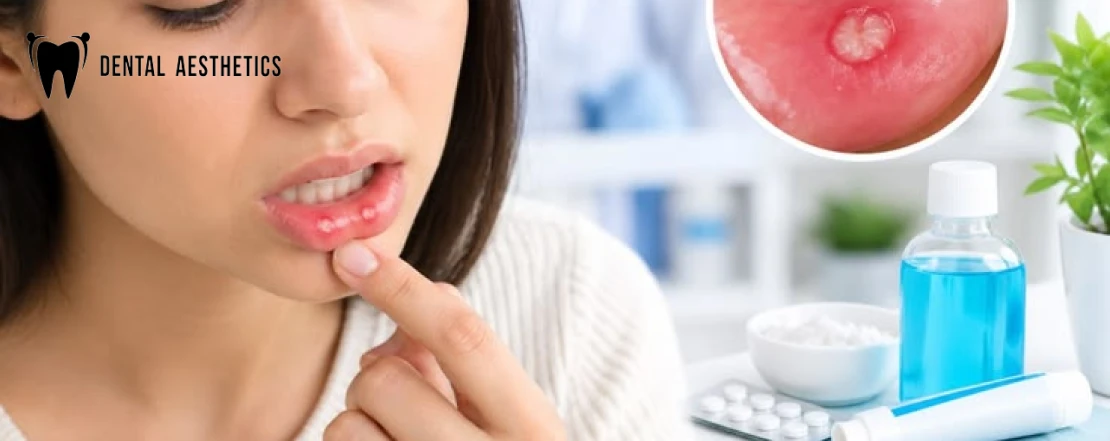
Treatments for mouth ulcers are aimed at alleviating symptoms and managing ulcers to help with daily activities.
Mouth Ulcer Home Remedies
To relieve symptoms of a minor ulcer, you can try a few home remedies.
1. Warm Salt Water Rinse
Add half a teaspoon of salt to a glass of warm water, mix, and rinse your mouth. Repeat as needed.
2. Irritating Foods
Until your ulcer heals, try not to eat foods such as spicy curries, citrus fruits, tomatoes, and vinegar. Salted snacks may also irritate your ulcer.
Some good low-irritating foods are yogurt, mashed potatoes, and scrambled eggs.
3. Cold Compress
Put a small chip of ice in a towel and hold it against the area that's uncomfortable for a few minutes. This may help numb the area.
You can also put an ice pack in your mouth, but don't press it against the ulcer.
4. Honey
Honey has been shown to help with healing and may help with canker sores. This, however, is not proven and should not be used to treat canker sores.
5. Maintain Good Oral Hygiene
Keep brushing your teeth. When brushing, avoid brushing around the sore.
Mouth Ulcer Medicine and Gel: Which Options Actually Help?
If your home remedies aren't working, see what's available over the counter.
Medicine or Gel | Main Purpose | Important Considerations |
Benzocaine-Based Gel | Temporarily numbs the affected area | Follow age restrictions and product directions |
Choline Salicylate Gel | Provides local pain relief | Not for general use; check salicylate precautions |
Protective Dental Paste | Covers the ulcer and reduces friction | Follow product instructions |
Chlorhexidine Mouthwash | Helps control oral bacteria | May cause temporary discoloration of teeth or unpleasant taste |
Benzydamine (mouthwash/ spray) | Provides relief from oral pain and inflammation | Follow as directed |
How to Apply Mouth Ulcer Gel Correctly
Wash your hands with soap and water, and dry the area to be treated
Gently dry the area to be treated, as directed
Apply a small amount of gel to the ulcer using a clean fingertip or applicator
Avoid aggressive rubbing
Follow product labeling for the number of applications and maximum number of applications per day
Do not exceed the maximum dose for your product and do not use for longer than directed.
There is no standard dose for all mouth ulcer gels, so dosing instructions for individual formulations should be followed.
Tingling and numbness are normal side effects for some products. These side effects can temporarily block your ability to feel pain or heat. Do not eat or drink until normal feeling returns, and follow all instructions on the product label.
Important safety advice: Benzoaine-based gels have age restrictions and can cause a serious blood condition called methemoglobinemia. Choline salicylates should not be used for general use. Always consult your pharmacist or dentist before using them, especially in children.
When is Prescription Mouth Ulcer Medicine Necessary?
Usually, only a dentist or a specialist in oral medicine will be able to prescribe the stronger medicines needed for more persistent, unusually painful, or larger ulcers. There are various treatment options depending on the location and extent of the ulcers. Some of these include:
Topical corticosteroids: Triamcinolone dental paste is one example and can be used if ulcers are inflamed and large.
Mouthwashes: Mouthwashes can help control and reduce the number of ulcers in the mouth.
Pain-relieving preparations: These can be prescribed when talking and/or eating become very painful.
Vitamin and mineral supplements: These can be prescribed to help in ulcer healing if a deficiency is confirmed.
Antibiotics are not recommended for the treatment of routine aphthous ulcers.
At Dental Aesthetics Lahore, a thorough clinical assessment by one of our dentists can help provide further direction in your case.
What Should Parents Do for Mouth Ulcers in Children?
Children are more bothered by mouth ulcers because of the pain, which leads to a refusal to eat and drink. Some common causes include accidents while biting the cheeks, irritation due to erupting teeth, vitamin or other deficiencies, and viral infections.
Hand-foot-and-mouth disease can also cause mouth ulcers and may be accompanied by rashes and sores on the feet and hands.
Some things that can help include:
Giving lots of cool water to drink
Eating soft foods like yogurt and mashed potatoes, and avoiding citrus fruits and spicy foods
Practicing good and gentle oral hygiene
Pain-relief medicine can be used for a short period of time, as recommended by a healthcare professional
Do not use adult mouth ulcer gels or numbing medicines on children without consultation from a healthcare professional
Seek medical attention if your child gets a fever, gets multiple ulcers, and/or becomes dehydrated by refusing to drink. The signs of dehydration in children include a reduction in urine output and a dry mouth.
When Should You See a Dentist About Mouth Ulcers?
Common mouth ulcers are not of concern. However, you should not ignore the following symptoms.
See your dentist if:
A mouth ulcer does not heal within 2 to 3 weeks
An ulcer is extremely large and/or deep and/or is very painful
Mouth ulcers occur more than 3 times in a year
You get ulcers and experience swollen glands and fever
You have a red or/and white patch in the mouth, and it does not heal
A mouth ulcer is extremely painful and/or bleeds and/or looks different from your usual ulcers
You have other symptoms and ulcers that cause weight loss and are persistent
Persistent ulcers do not mean you have oral cancer. Some oral cancers begin as a non-healing ulcer or a patch.
A dentist can examine the area to check if it heals on its own or if it needs to be evaluated further.
Concerned About an Ulcer That Will Not Heal?
If you have a persistent ulcer or one that keeps returning, call Dental Aesthetics Lahore. Our dentists can evaluate your case and determine the possible cause and assist you in the management of the condition. Do not wait until your sore becomes very painful.
How Can You Prevent Mouth Ulcers From Coming Back?
Though total prevention of mouth ulcers is not always possible, there are certain changes to your everyday habits which can go a long way in reducing the frequency of ulcer breakouts.
Some of the changes include:
Use of a soft-bristled toothbrush
SLS-free toothpaste
Avoiding irritating foods
Maintaining an adequate intake of vitamin B12, iron and folate
Stress and sleep management
Stopping the habit of biting your lips or cheeks
Visiting your dentist to address the issue of sharp or rough edges on your teeth, fillings or other dental equipment
If you have a problem with aphthous stomatitis, you can keep a food diary to see if there is any connection between ulcer breakouts and the food you eat.
Dental check-ups at Dental Aesthetics Lahore can also identify the local factors of recurrent irritation which become a source of hassle in the long run.
Why Choose Dental Aesthetics Lahore for Mouth Ulcer Assessment?
Locating the root cause of a mouth ulcer is the first step to its effective treatment. Random use of gels and Home remedies, at best, provide temporary relief to the condition but do not help with finding the actual cause of the problem.
At Dental Aesthetics Lahore, you can get expert help in management of persistent and recurring mouth ulcers.
Identify Underlying Concerns: Blood tests and/or medical referral may be required with the presence of certain symptoms.
Preventive Tips: Learn how to manage/reduce irritation and prevent flare-ups.
Treatment Guidance: Our objective is to help our patients understand their oral health and help them with the right choices for their oral health care.
Understanding Oral Health: We help you understand your oral health and make informed choices regarding treatment.
Facing the First Painful Ulcer: Seeking professional assistance for your first painful ulcer can help you find the right treatment solution.
Whether it’s your first episode of oral ulcerations or you’re dealing with chronic ulcerations, professional help will move you towards the right direction.
Book your consultation with us via our website Dentalaesthetics.pk and move one step forward for better oral health!
Frequently Asked Questions
What is the fastest way to heal a mouth ulcer?
There’s no particular way to treat a mouth ulcer. However, the following can be attempted: rinsing with warm saline, avoiding spicy and acidic foods, using pain-relieving gels, pastes, or masks, and maintaining gentle oral hygiene. Prescription corticosteroids may be given in severe cases.
Why do I get recurrent mouth ulcers?
Oral ulcers may be caused by stress, biting the inside of the cheek, hormonal changes, nutritional deficiencies, irritation by toothpaste, and various medical conditions. Persistent ulcers deserve an evaluation by your dentist/doctor.
What vitamin deficiency causes mouth ulcers?
Vitamin B12, folate, and iron deficiencies may lead to recurring mouth ulcers. Blood tests help in ruling out such deficiencies.
Is it bad to have a mouth ulcer for 2 weeks?
Not necessarily. Some ulcers take this long to heal. However, it is recommended to get an ulcer checked if it’s large, unusually persistent, or if it doesn’t show signs of healing in 3 weeks.
Can stress cause mouth ulcers?
Stress, emotional strain, and certain triggers, including changes in daily routine and sleep disruption, may contribute to outbreaks of aphthous ulcers.
What should you not eat with a mouth ulcer?
Avoid spicy, citrussy, and acidic foods. Stay away from tomatoes, vinegar, salty foods, and hard or crunchy foods, as they may also irritate your ulcer.
Do mouth ulcers mean a vitamin deficiency?
Not necessarily. Most one-off ulcers are not related to nutritional deficiencies. If you have frequent and persistent ulcers, then testing your levels of vitamin B12, iron, and folate may be warranted.
How can you tell a mouth ulcer from oral cancer?
A typical canker ulcer is painful and appears as a shallow ulcer. It usually heals on its own in 1-2 weeks. On the other hand, a lesion of oral cancer may appear as a lump or ulcer that doesn’t heal. Appearance alone cannot make a diagnosis of oral cancer. Any ulcer that doesn’t heal in three weeks should be evaluated by a professional.
Can toothpaste cause mouth ulcers?
Toothpastes containing sodium lauryl sulfate (SLS) can irritate the lining of the mouth. For people who are susceptible to this, using SLS-free toothpaste may help with flare-ups.
Is honey good for mouth ulcers?
Applying honey to the ulcer may be helpful to ease symptoms and may have wound-healing properties. However, evidence for this is scarce and mainly for other benign ulcers. Honey should not be used to replace appropriate treatment, and a visit to the dentist should not be avoided.



Request An Appointment
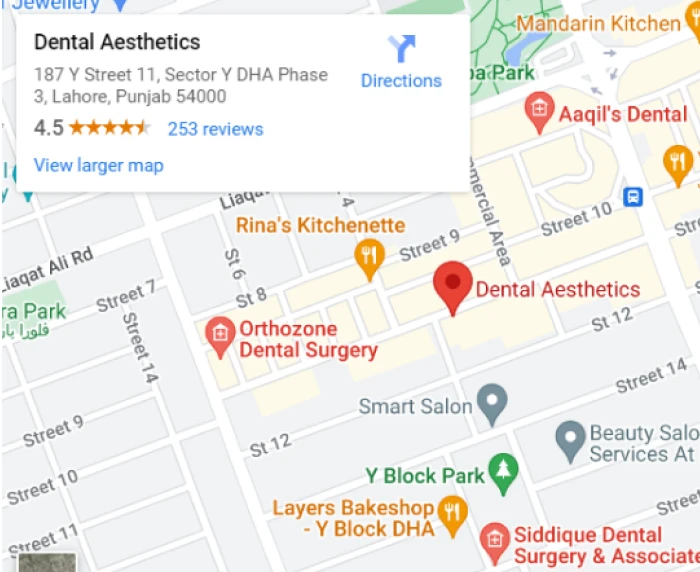
Map
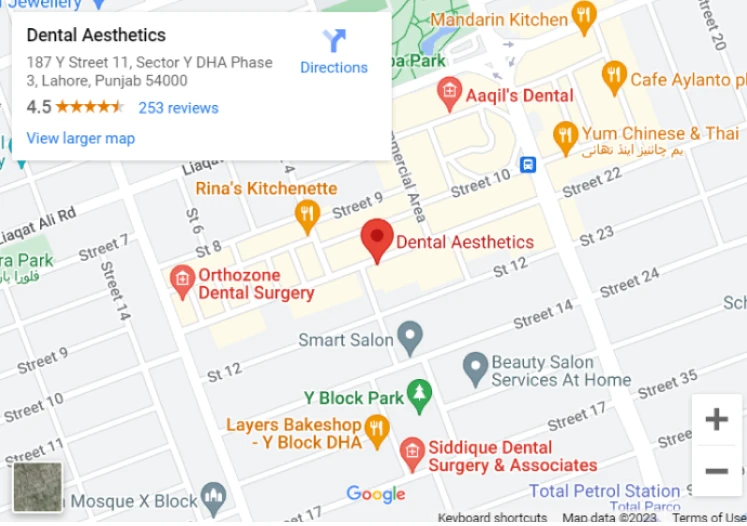
Timings
Monday - Saturday
11:00 am - 9:30pm
Sunday
12:00pm - 8:00pm