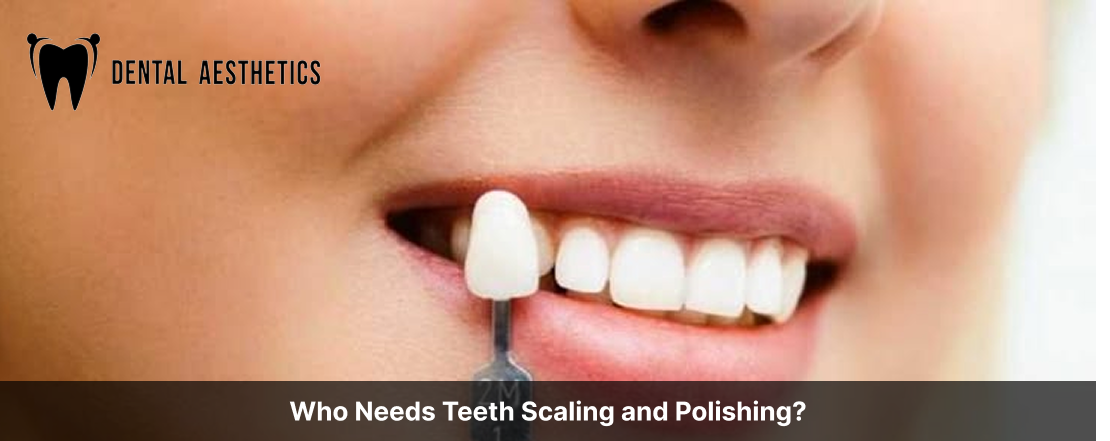


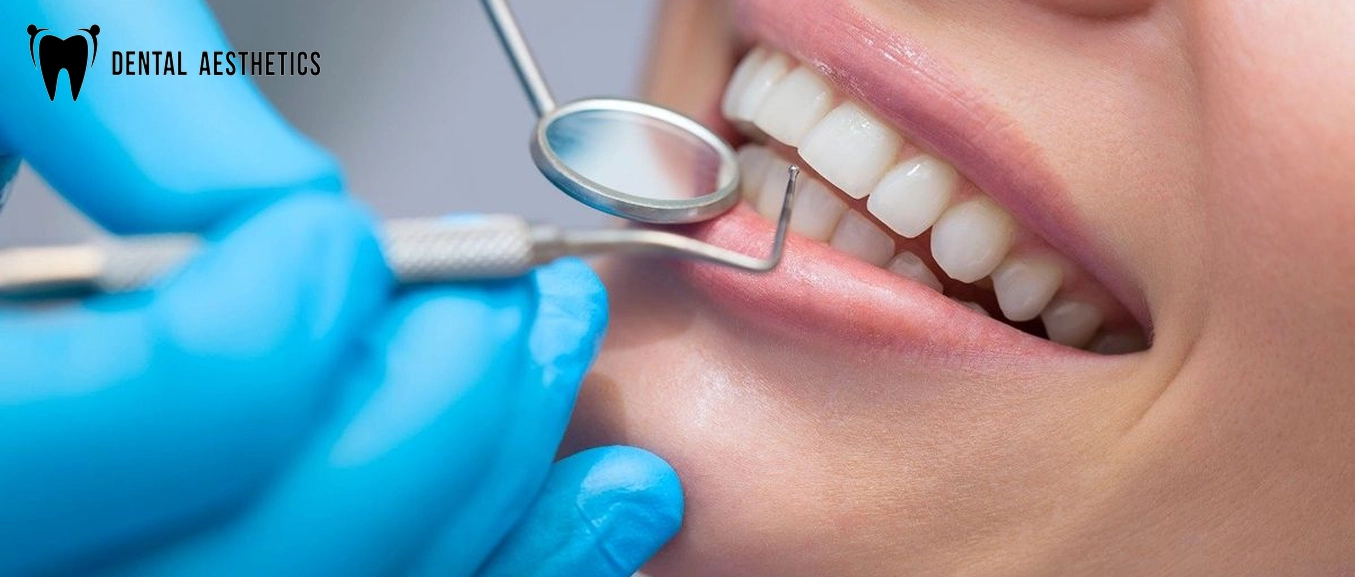
Teeth scaling and polishing is a professional dental cleaning process that eliminates surface stains, tartar and plaque from teeth. Urdu Name is دانتوں کی صفائی (Daanton Ki Safai). It is non-surgical, painless and recommended for most patients every six months.
The significance of professional dental cleaning and why it is important in Lahore. The importance of teeth scaling in Lahore.
If gums bleed when you brush, teeth feel rough, or bad breath persists despite brushing regularly, it could be that there's too much plaque and tartar. Professional teeth cleaning is one of the best preventive dental care procedures, which helps to keep patients' teeth healthy, gums healthy and smiling with a confident smile.
People in Lahore avoid seeking dental care because of their fear that scaling is painful, costly or harmful to their teeth. These misunderstandings can help to cause plaque and tartar to build up over months or years, leading to gum disease, tooth decay, and eventual tooth loss.
Many of our patients are amazed by how easy and comfortable teeth scaling and polishing in Lahore are with the latest technologies. Our team uses cutting-edge ultrasonic technology and evidence-based dental care to eliminate harmful deposits before they can cause serious dental issues.
What is Teeth Scaling?
Teeth Scaling is a professional dental scaling procedure developed to get rid of plaque, tartar, bacteria and debris from the surface of the teeth and around the gumline. Scaling is different from normal brushing in that it will be able to remove hard deposits that cannot be removed at home.
To comprehend what teeth scaling is, it's worthwhile to understand the way dental plaque forms. Within hours after eating, a soft film of bacteria forms on teeth, called dental plaque. Within about 24 to 72 hours, if not removed by good brushing and flossing habits, plaque will harden to tartar (dental calculus).
Tartar is formed once and cannot be effectively removed by a toothbrush, floss or any home remedy. Professional teeth scaling and polishing is needed to remove these deposits and safeguard the enamel tissues adjoining the teeth.
Plaque vs Tartar: What's the Difference?
There are two dental problems that are very common: dental plaque and tartar (also called dental calculus).
| Dental Problems | Plaque | Tartar |
|---|---|---|
| Appearance | Sheen and tacky | Dull and brittle |
| Formation | Within hours after eating | 24-72 hours after plaque builds up |
| Days after the procedure | Simple brushing and flossing | Once every 2–3 months |
| Risk to health | Moderate | High |
Prevention is always better than cure, so maintain good oral hygiene to avoid tartar buildup.
Side Effects of Scaling and Polishing
While teeth scaling and polishing is a safe and effective procedure, some patients may experience minor temporary side effects:
| Side Effect | Description | Duration |
|---|---|---|
| Tooth Sensitivity | Temporary sensitivity to hot/cold foods | 1-2 weeks |
| Gum Tenderness | Minor discomfort in gums | 2-3 days |
| Slight Bleeding | Minor gum bleeding post-procedure | 24 hours |
| Mild Discomfort | General soreness around treated area | 1-2 days |
Scaling is often confused by patients to be synonymous with whitening treatment. The teeth might look cleaner and brighter after teeth scaling, but the main goal of the procedure is to enhance oral health.
If left untreated, tartar build-up can cause:
- Gingivitis (gum inflammation)
- Advanced gum disease (periodontitis)
- Gingivitis (bleeding gums)
- Bad breath (chronic bad breath)
- Gum recession
- Dental caries (cavities)
As soon as the tooth moves, it is too late to prevent tooth loss. This is why dentists consider routine teeth cleaning one of the most important preventive dental services.
Dental Aesthetics DHA Lahore ensures the patients are aware of the difference between cosmetic procedures and preventive dental care, allowing them to choose the best treatment for them.
Teeth Scaling and Polishing Procedure: Step-by-Step
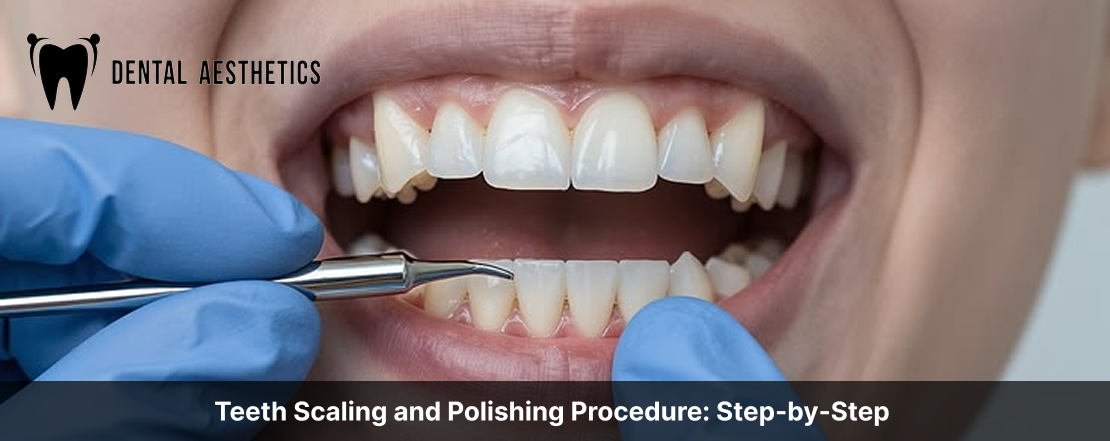
Before the first scaling appointment, a lot of patients are afraid of what to expect and are therefore apprehensive. Fortunately, teeth scaling and polishing today is a simple, non-surgical process and typically takes about 30 to 60 minutes.
Step 1: Comprehensive Dental Examination
The first step in the process is a dental examination of your teeth and gums.
Your dentist looks for:
- Plaque buildup
- Tartar accumulation
- Gum inflammation
- Bleeding points
- Signs of gingivitis
- Signs of periodontitis
This exam can help make a decision as to whether routine scaling will be enough or if deeper cleaning is necessary.
Step 2: Supragingival Scaling
In the first stage of cleaning, it is the deposits above the gumline (supragingival) that are cleaned. The ultrasonic scaler is a specialized dental tool that gently vibrates and sprays water to loosen and remove hardened tartar without harming the tooth's surface. Patients typically report feeling a gentle vibration and not pain.
Step 3: Hand Scaling
Once larger deposits have been removed, the dentist uses special hand scalers and curettes to remove any remaining deposits from hard-to-reach areas.
This step will help to remove dirt from the tooth surface and aid in smoothing the tooth surfaces.
Step 4: Dental Scaling and Root Planing
Dental scaling and root planing may be necessary for those who have moderate to advanced gum disease. Root planing focuses on deposits under the gum line, called the subgingival region, as opposed to routine scaling.
| Treatment | Purpose |
|---|---|
| Supragingival Scaling | Removes deposits above the gums |
| Below-Gum-Line Scaling | Scales away deposits below the gums |
| Root Planing | Smooth root surfaces for healing |
Root planing decreases the number of bacteria and supports the healthy gum attachment to the tooth roots.
Step 5: Teeth Polishing
Tooth polishing is the last step in the process. Uses a rotating polishing brush or rubber cup and a special polishing paste to smooth the surface of the tooth and to remove superficial stains.
The advantages of teeth polishing are:
- Smoother tooth surfaces
- Reduced plaque retention
- Improved appearance
- Fresher breath
- Cleaner feeling teeth
Patients find that they can feel a difference in comfort and cleanliness upon their departure.
Is Scaling Good for Teeth?
The most important preventive dental care procedure is regular teeth scaling, which eliminates harmful deposits before they can cause harm to the gums and supporting tissues of the teeth.
The following are important benefits of teeth scaling:
| Benefit | Why It Matters |
|---|---|
| Plaque Removal | Prevents the accumulation of bacteria |
| Tartar Removal | Makes gums less swollen |
| Fresh Breath | Gets rid of bad breath |
| Healthier Gums | Reduces risk of gingivitis |
| Preserves Supporting Bone Structures | Reduced tooth loss risk |
| Better Oral Hygiene | Makes daily brushing more effective |
Untreated plaque and tartar have been proven, time and time again, to play a major role in the progression of gum disease. The bacteria keep growing under the gum line when patients put off scale visits, which can lead to bleeding gums, gum recession, and bone loss.
Professional cleaning, on the other hand, has the power to keep your gums healthier and greatly lowers the chances of having to undergo any major periodontal treatment in the future.
Is Scaling of Teeth Painful?
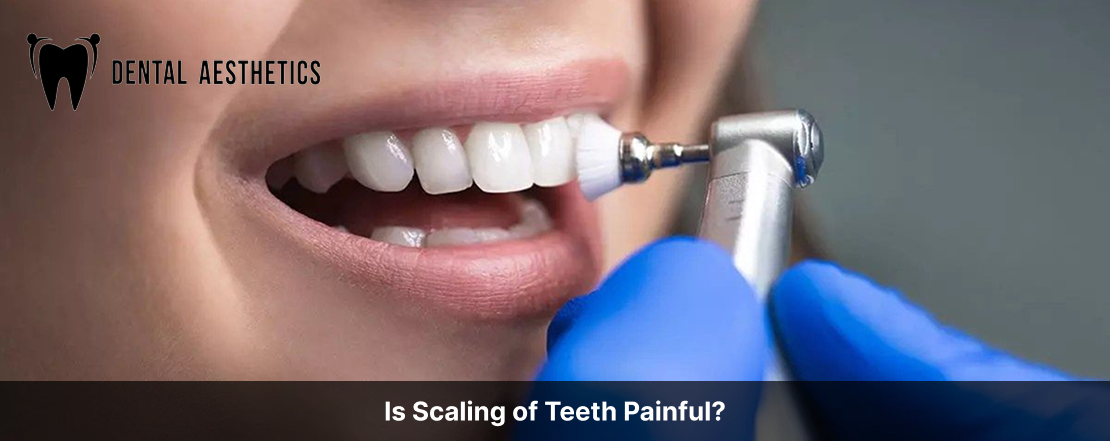
One of the biggest misconceptions about professional dental cleaning is that it is painful. Yes, scaling of teeth is not painful, which is one of the biggest misconceptions about professional dental cleaning.
Today's teeth cleaning is not uncomfortable or invasive. The majority of patients state that the ultrasonic scaler vibrates with a slight sensation as it cleans the tartar in the teeth. Comfort before and after treatment, and the amount of tartar, largely determine the comfort level. A typical clean should not be painful for patients with healthy gums.
Sensitivity might be experienced during the treatment for patients who have severe gum inflammation and have a lot of tartar accumulation. In such instances, the local anesthetic may be utilized to make sure maximum comfort is provided.
Comfort of the patient is a priority at Dental Aesthetics DHA Lahore. Our dental experts will outline all the steps in the treatment process before it starts and adjust the treatment as needed for you.
The truth of the matter is that most of the patients at the end of their appointment will be wondering why they didn't seek treatment so much sooner.
What are the Side Effects of Teeth Scaling after Treatment?
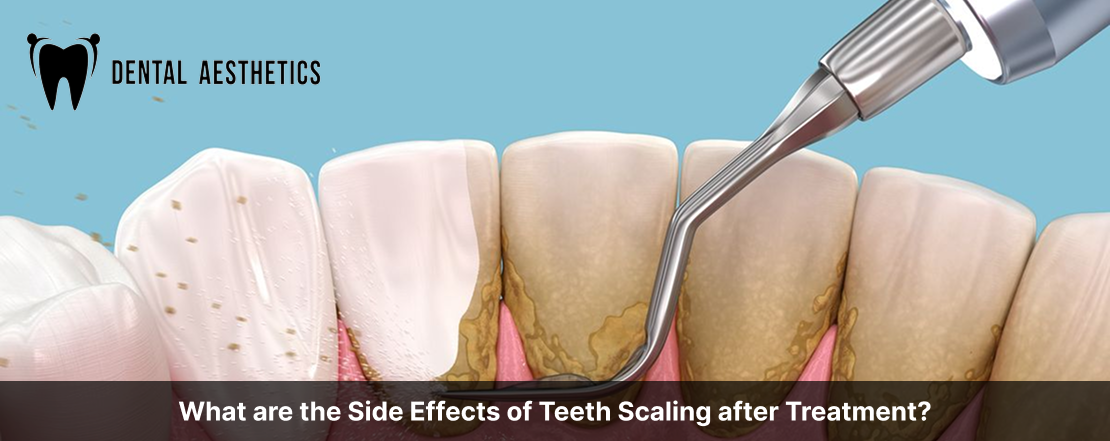
Teeth scaling side effects are usually mild, temporary and are part of the healing process. Scaling does not involve any surgery or permanent changes to the teeth, unlike many dentistry procedures. Instead, it eliminates harmful deposits of plaque and tartar which have built up over the years.
The majority of patients do not have any significant problems following treatment.
| Side Effect | Typical Duration |
|---|---|
| Sensitive teeth after scaling | 24-72 hours |
| Gums are slightly tender | 1-3 days |
| Minor bleeding | 1-3 days |
| Mild gum soreness | Few days |
| Temporary temperature sensitivity | Up to 1 week in some cases |
Sensitive Teeth After Scaling
The most common complaint is when the teeth become sensitive following the scaling procedure. This is because the tartar deposits may have covered areas of the tooth which are exposed after cleaning. If these surfaces are revealed, teeth may be more sensitive to hot or cold foods and drinks for a short while.
Most patients have their highest level of sensitivity within the first 24 hours, and their sensitivity improves within 24-72 hours.
If patients have a lot of tartar or pre-existing gum recession, they may experience sensitivity for as long as a week.
Are Teeth Weakened by Scaling?
No. The idea that teeth get weak when they are scaled is just a myth. Unfortunately, such a belief is prevalent throughout Pakistan and still many people are reluctant to avail the required dental care.
In a study published in the Pakistan Oral & Dental Journal, about 54% of the patients who were surveyed believed that teeth become weak when they are scaled. The truth is quite the contrary.
Plaque and tartar cause damage to teeth and the supporting bone and gums. These deposits, over time, lead to:
- Gingivitis
- Periodontitis
- Bone loss
- Gum recession
- Tooth mobility
The harmful substances that are causing the damage are removed by scaling. Many patients assume their loose feeling teeth are due to the removal of the tartar stuck between their teeth when it was removed. They're just taking notice of the actual condition and shape of their teeth. No gum healing can take place until plaque and tartar are removed.
Gap Between Teeth After Scaling: Why Does It Happen?
No, the gap between teeth after scaling does not indicate that new spaces were created. Gaps existed prior to treatment. As time goes on, tartar can build up between the teeth and the gum line. These deposits can build up to such a degree that they actually fill in spaces between teeth.
Once the tartar is removed during scaling, the natural contours and spacing of the teeth are revealed.
| Cause | Explanation |
|---|---|
| Heavy Tartar Deposit | Deposits between the teeth |
| Swollen Gums | Gum inflammation |
| Gum Healing | Gums go back to healthy positions after the treatment |
If there is a lot of inflammation, the patient may notice that their gums change a little in the healing process. The tissues will usually become stiffer, firmer, and less swollen as they heal. Scaling doesn't cause things to be bad.
Teeth Turning Yellow After Scaling: Myth or Reality?
Another issue that many people have is a yellowish discoloration of the teeth following scaling. This is also untrue. Although teeth are stained by scaling, they do not lose their natural color due to the process.
For some patients, it means that they see a difference in their appearance after removing tartar. Removing the tartar deposits may make the natural color of the tooth stand out if there was previously thick tartar that covered parts of the tooth.
In fact, teeth polishing can aid in eliminating the surface stains brought about by:
- Tea
- Coffee
- Smoking
- Paan
- Colored beverages
Consequently, the majority of patients say their teeth are cleaner and brighter after treatment.
Teeth Scaling Cost in Lahore & Teeth Cleaning Price in Pakistan
The question everyone is searching for online: How much does teeth scaling cost? The positive is that professional dental cleanings are among the most affordable preventive dental treatments that are available.
The cost of teeth scaling in Pakistan varies from session to session, but on average, it is between PKR 1500 and PKR 5000. Prices are subject to fluctuation and can change depending on the clinic.
Scaling Price in Pakistan
| Treatment | Estimated Cost |
|---|---|
| Scaling with Root Planing | PKR 1,500 - 3,000 |
| Teeth Scaling and Polishing | PKR 2000 - 5000 |
| Scaling with Root Planing | Depends on severity |
There are several factors that can affect the final cost:
- Teeth Scaling and Polishing
- Need for root planing
- Clinic location
- Dentist experience
- Number of visits required
For those looking for teeth cleaning prices in Pakistan, it's essential to keep in mind the importance of quality and safety. Lower prices do not necessarily indicate a lower level of care, sterilization procedures, or diagnostic evaluations.
Recommendations and fees are clearly explained before any treatment is provided at Dental Aesthetics DHA Lahore.
Is Delaying Teeth Scaling More Expensive in the Long Run?
At first, many people consider scaling to be a luxurious or cosmetic treatment, but in fact, it is one of the most inexpensive preventative dental treatments available. Bacteria can cause gum and bone disease forever if the tartar is not removed from the teeth after months of time.
This will eventually result in:
| Risk of infection | Treatment needed |
|---|---|
| Gingivitis | Professional cleaning |
| Periodontitis | Deep cleaning and gum therapy |
| Cavities | Fillings |
| Severe Infection | Root canal treatment |